THE ADVENTURE COLLECTIVE® · Independent discovery and booking for outdoor travel

Cycle quiet country lanes outside Kyoto with an English-speaking local guide, learn soba-making or dine in a traditional house, and explore shrines and the playful slopes of Mt. Komugi. This 4–5 hour e-bike tour balances cultural stops with easy pedaling through Sonobe’s satoyama landscape.
Cycle quiet country lanes outside Kyoto with an English-speaking local guide, learn soba-making or dine in a traditional house, and explore shrines and the playful slopes of Mt. Komugi. This 4–5 hour e-bike tour balances cultural stops with easy pedaling through Sonobe’s satoyama landscape.
A cool morning in Sonobe greets you with the hush of rice paddies and the soft ripple of a mountain stream daring you onward. Your e-bike hums to life and a local guide—born and raised in these satoyama foothills—leads the group along narrow country lanes where cedar shadows slip over mossy stone walls and Mt. Komugi rises like a playful landmark, the reputed birthplace of a familiar video-game plumber.
Verified experiences and guided adventures in the surrounding area.
Operated by Kyoto Satoyama cycling tour · Sonobe (Nantan), Kyoto Prefecture
A cool morning in Sonobe greets you with the hush of rice paddies and the soft ripple of a mountain stream daring you onward. Your e-bike hums to life and a local guide—born and raised in these satoyama foothills—leads the group along narrow country lanes where cedar shadows slip over mossy stone walls and Mt. Komugi rises like a playful landmark, the reputed birthplace of a familiar video-game plumber.
This route threads history and everyday rural life: a Tenmangu shrine that draws students seeking success, the last castle gate repurposed as a school entrance, and thatched-roof agricultural shrines tied to centuries of Tanba food production. Geologically, the ride follows rounded hills and shallow valleys carved by small rivers—soft slopes that make for steady pedal-assist cruising and frequent viewpoint stops.
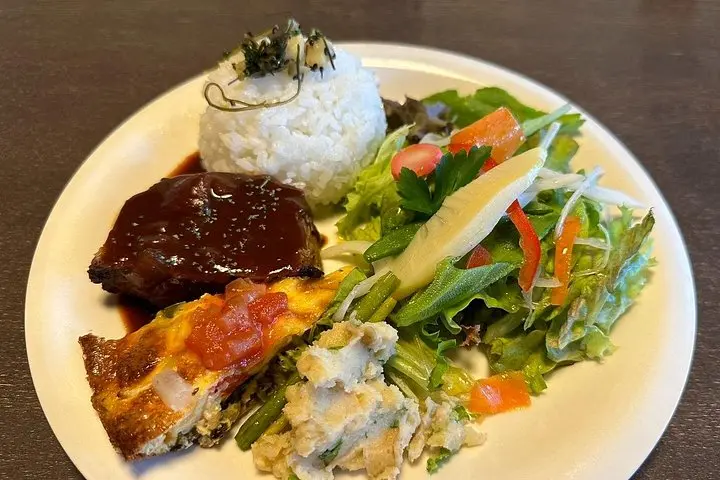
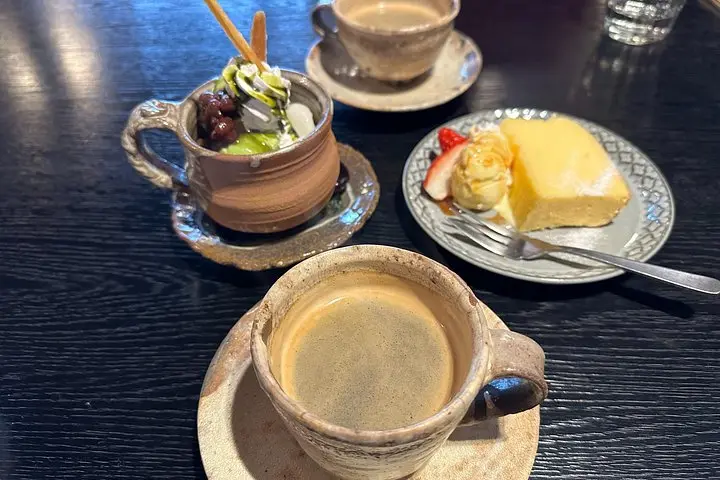
Culturally the tour is hands-on: choose Course A for soba-making in a converted elementary school or Course B for a seasonal meal in a traditional house. Optional extras—kimono photos, koto demonstrations, a spring-water tasting or a detour up Mt. Komugi—add texture without demanding fitness.
Practically: expect 4–5 hours total, with 10–20 minutes between points; helmets and e-bikes are provided, and guides speak English. Mornings offer cooler air and better light for photos; bring layered outerwear, sun protection, and a small daypack for snacks and camera. If you have dietary restrictions or mobility concerns, advise the operator in advance so they can tailor the experience.
The e-bikes provide pedal assist and routes use gentle country roads; expect short climbs but nothing technically difficult.
You can choose two or three included extras at the start—confirm with the guide which combinations fit the schedule.
Yes—this tour is suitable for families and mixed groups, though it’s not recommended for pregnant travelers or those with serious heart conditions.
Sonobe is about a 30-minute train ride from central Kyoto; the meeting point is accessible by public transport and the operator provides local directions.
Kyoto Satoyama cycling tour operates guided outdoor trips and adventures with an emphasis on safety, stewardship, and memorable experiences.
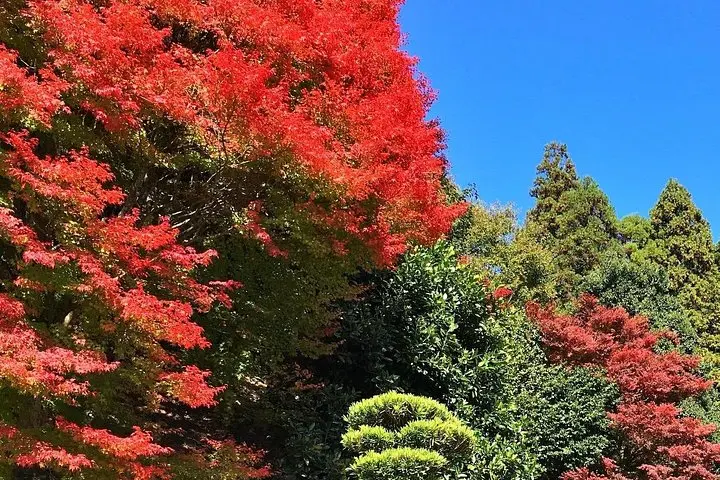
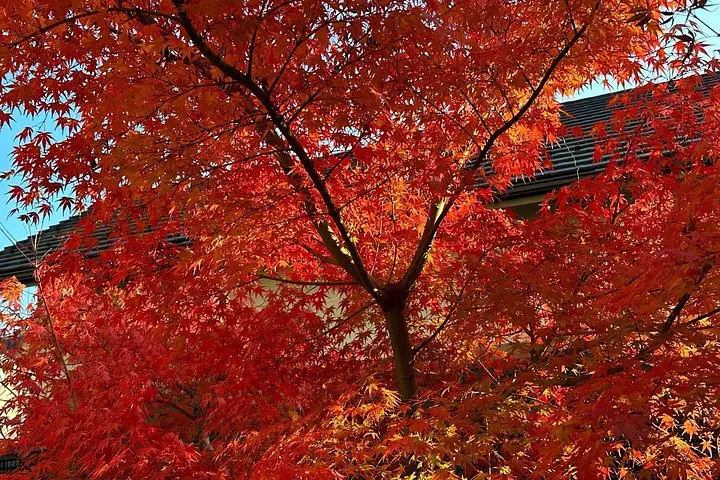
A cool morning in Sonobe greets you with the hush of rice paddies and the soft ripple of a mountain stream daring you onward. Your e-bike hums to life and a local guide—born and raised in these satoyama foothills—leads the group along narrow country lanes where cedar shadows slip over mossy stone walls and Mt. Komugi rises like a playful landmark, the reputed birthplace of a familiar video-game plumber.
A cool morning in Sonobe greets you with the hush of rice paddies and the soft ripple of a mountain stream daring you onward. Your e-bike hums to life and a local guide—born and raised in these satoyama foothills—leads the group along narrow country lanes where cedar shadows slip over mossy stone walls and Mt. Komugi rises like a playful landmark, the reputed birthplace of a familiar video-game plumber.
This route threads history and everyday rural life: a Tenmangu shrine that draws students seeking success, the last castle gate repurposed as a school entrance, and thatched-roof agricultural shrines tied to centuries of Tanba food production. Geologically, the ride follows rounded hills and shallow valleys carved by small rivers—soft slopes that make for steady pedal-assist cruising and frequent viewpoint stops.
Culturally the tour is hands-on: choose Course A for soba-making in a converted elementary school or Course B for a seasonal meal in a traditional house. Optional extras—kimono photos, koto demonstrations, a spring-water tasting or a detour up Mt. Komugi—add texture without demanding fitness.
Practically: expect 4–5 hours total, with 10–20 minutes between points; helmets and e-bikes are provided, and guides speak English. Mornings offer cooler air and better light for photos; bring layered outerwear, sun protection, and a small daypack for snacks and camera. If you have dietary restrictions or mobility concerns, advise the operator in advance so they can tailor the experience.