THE ADVENTURE COLLECTIVE® · Independent discovery and booking for outdoor travel

Spend a full day out of Kyoto visiting Nara’s roaming deer and Great Buddha, sampling Osaka’s electric Dotonbori, and getting a taste of Kobe’s harbor and beef. This guided coach tour packs culture, wildlife, and city scenes into an accessible 10½-hour loop.
Spend a full day out of Kyoto visiting Nara’s roaming deer and Great Buddha, sampling Osaka’s electric Dotonbori, and getting a taste of Kobe’s harbor and beef. This guided coach tour packs culture, wildlife, and city scenes into an accessible 10½-hour loop.
You meet your guide at Hotel Keihan Kyoto Grande before dawn, the city blurring past as the coach threads across the Kansai plain. By mid-morning the bus eases into Nara Park and the air shifts—grass, temple wood, and the soft rustle of deer who move through the grounds with the casual confidence of long-time residents.
Verified experiences and guided adventures in the surrounding area.
Operated by Amigo Tours Japan · Kyoto, Kyoto Prefecture
You meet your guide at Hotel Keihan Kyoto Grande before dawn, the city blurring past as the coach threads across the Kansai plain. By mid-morning the bus eases into Nara Park and the air shifts—grass, temple wood, and the soft rustle of deer who move through the grounds with the casual confidence of long-time residents.
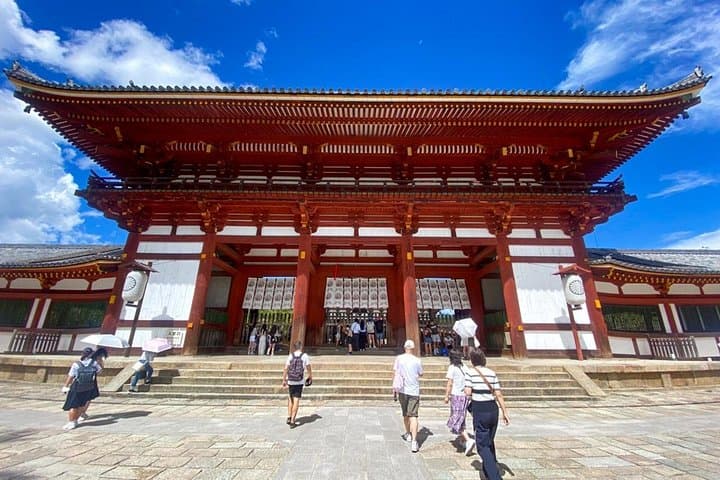
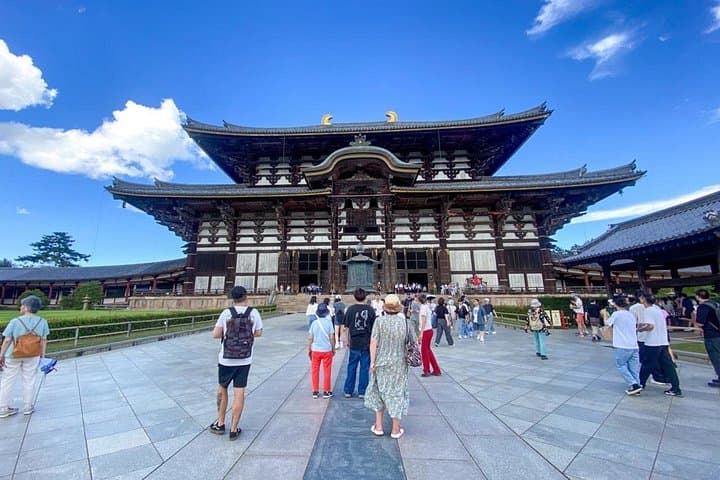
Nara was Japan’s first permanent capital; Tōdaiji’s Daibutsu (Great Buddha) anchors a 1,300-year story of politics, religion, and craftsmanship. The geology here is gentle—rounded hills feeding shallow valleys—while Osaka sits on the alluvial plain that opens toward Osaka Bay. In Osaka, the urban current pushes you along Dotonbori’s canal, neon and takoyaki stands, a city built by merchants as much as samurai. Kobe adds a maritime chapter: the port, a pleasant harborfront, and a reputation for high-quality beef born of international trade.
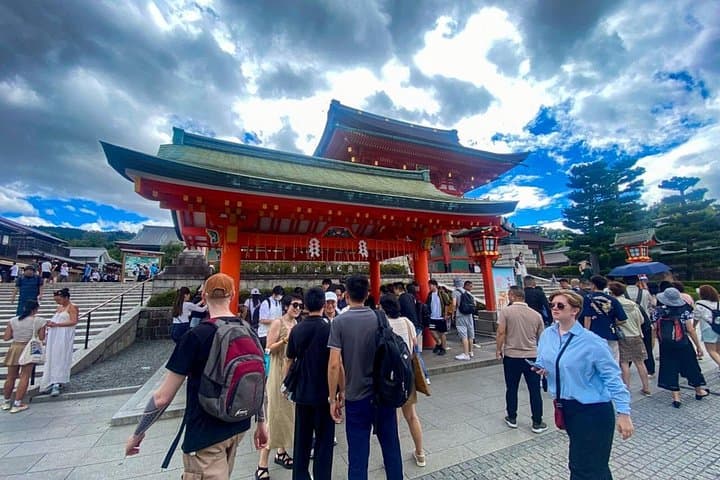
Practical guidance: this is a long but low-impact day (about 10½ hours). Expect 2–4 miles of walking split between sites and free time. Bring cash and an IC transit card for small purchases; many shrine stalls are cash-first. Respect wildlife—deer are used to people but can be unpredictable; buy shika-senbei only from authorized vendors and let deer approach you. Comfortable walking shoes, sun protection, and a refillable water bottle make the day easier. Timing matters: arrive early at popular photo spots to avoid crowds, and keep receipts or small purchases organized—you’ll be moving between cities. The tour balances cultural depth with urban energy: temples grounding the morning, the bustle of Osaka mid-day, and Kobe’s calmer evening harbor views as you return to Kyoto.
You may feed deer only with shika-senbei (deer crackers) bought from licensed vendors; do not feed them human snacks and follow park signage to avoid startling animals.
Lunch is typically not included—there are planned breaks and free time in Dotonbori and Kobe to buy local specialties like takoyaki or Kobe beef (at your own cost).
The itinerary is rated easy and suitable for most ages, but it involves walking and some standing; check accessibility for specific stops if you require mobility assistance.
The operator may cancel in severe weather with a refund if canceled at least 24 hours before departure; light rain usually proceeds—bring rain gear.
Amigo Tours Japan operates guided outdoor trips and adventures with an emphasis on safety, stewardship, and memorable experiences.
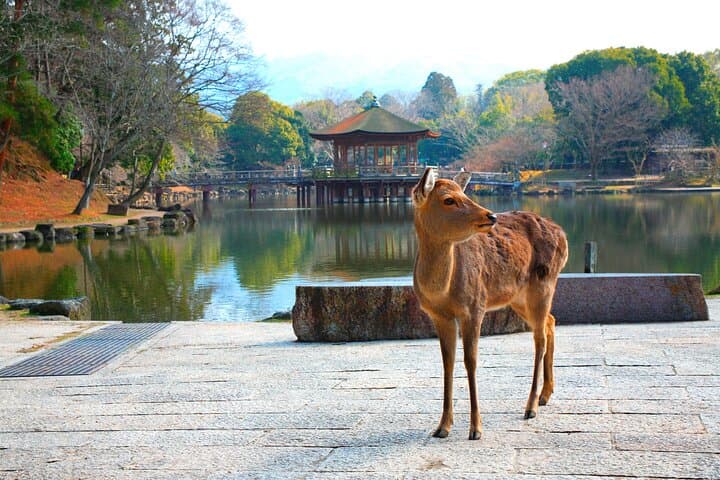
You meet your guide at Hotel Keihan Kyoto Grande before dawn, the city blurring past as the coach threads across the Kansai plain. By mid-morning the bus eases into Nara Park and the air shifts—grass, temple wood, and the soft rustle of deer who move through the grounds with the casual confidence of long-time residents.
You meet your guide at Hotel Keihan Kyoto Grande before dawn, the city blurring past as the coach threads across the Kansai plain. By mid-morning the bus eases into Nara Park and the air shifts—grass, temple wood, and the soft rustle of deer who move through the grounds with the casual confidence of long-time residents.
Nara was Japan’s first permanent capital; Tōdaiji’s Daibutsu (Great Buddha) anchors a 1,300-year story of politics, religion, and craftsmanship. The geology here is gentle—rounded hills feeding shallow valleys—while Osaka sits on the alluvial plain that opens toward Osaka Bay. In Osaka, the urban current pushes you along Dotonbori’s canal, neon and takoyaki stands, a city built by merchants as much as samurai. Kobe adds a maritime chapter: the port, a pleasant harborfront, and a reputation for high-quality beef born of international trade.
Practical guidance: this is a long but low-impact day (about 10½ hours). Expect 2–4 miles of walking split between sites and free time. Bring cash and an IC transit card for small purchases; many shrine stalls are cash-first. Respect wildlife—deer are used to people but can be unpredictable; buy shika-senbei only from authorized vendors and let deer approach you. Comfortable walking shoes, sun protection, and a refillable water bottle make the day easier. Timing matters: arrive early at popular photo spots to avoid crowds, and keep receipts or small purchases organized—you’ll be moving between cities. The tour balances cultural depth with urban energy: temples grounding the morning, the bustle of Osaka mid-day, and Kobe’s calmer evening harbor views as you return to Kyoto.