THE ADVENTURE COLLECTIVE® · Independent discovery and booking for outdoor travel

Skip the tourist crush and walk Kyoto’s most storied streets with a private local guide. This three-hour route threads Gion, Maruyama Park, Yasaka Pagoda and Kiyomizu-dera, blending history, hillside views and practical travel tips.
Skip the tourist crush and walk Kyoto’s most storied streets with a private local guide. This three-hour route threads Gion, Maruyama Park, Yasaka Pagoda and Kiyomizu-dera, blending history, hillside views and practical travel tips.
Morning light slips between wooden machiya and paints the Shirakawa canal silver as a private group begins a three-hour sweep through Higashiyama. Lanterns still bear last night’s warmth, cobblestones cool underfoot; the river dares you to slow down and listen as your guide threads history into each corner.
Verified experiences and guided adventures in the surrounding area.
Operated by Opatrip.com Japan · Kyoto, Kyoto Prefecture
Morning light slips between wooden machiya and paints the Shirakawa canal silver as a private group begins a three-hour sweep through Higashiyama. Lanterns still bear last night’s warmth, cobblestones cool underfoot; the river dares you to slow down and listen as your guide threads history into each corner.
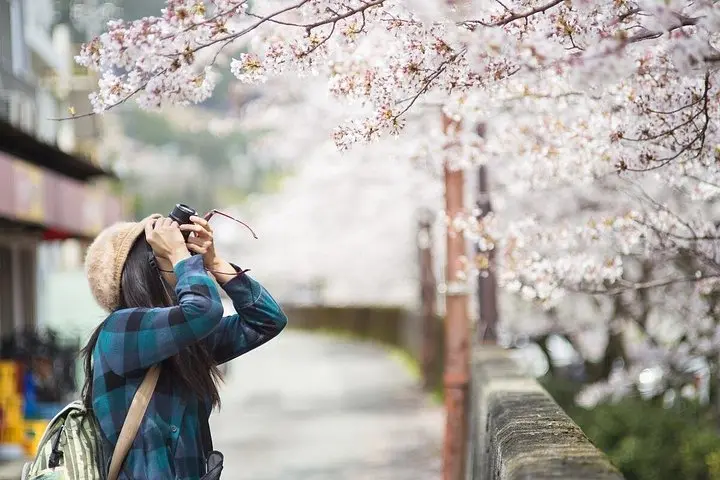
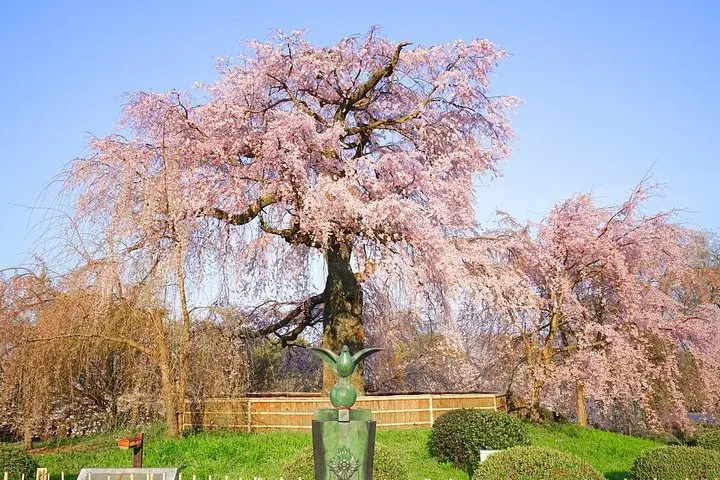
Kyoto served as Japan’s imperial capital from 794 to 1868, and its streets still carry that structure — narrow alleys leading to grand temples built where hills give way to the city. The tour moves from Gion’s geisha-lined lanes to Maruyama Park’s famed weeping cherry, past Chion-in’s massive wooden gate and up the hill to Yasaka Pagoda, where the city opens beneath the hillside. The journey culminates at Kiyomizu-dera, a wooden terrace clinging to a hillside that offers a sweeping view across Kyoto’s tiled roofs to distant ridgelines.
Geology informs the route: the Higashiyama foothills create steady uphill stretches and stone steps, while narrow drainage channels shape the alleyways you follow. Cultural cues matter here — quiet voices near temples, small offerings, and the measured pace of teahouse neighborhoods.
Practical guidance: expect 2.5–4 km of walking with intermittent steep sections (roughly 100–150 m cumulative elevation gain). Surfaces vary from smooth pavement to uneven cobbles; supportive shoes and a light rain layer are sensible. The tour is private, guided, and does not automatically include temple admissions; confirm tickets and guide language at booking. Bring cash for shrine offerings and small purchases, hydrate, and plan mornings or late afternoons to avoid peak crowds.
No—this private tour visits Kiyomizu-dera but temple admission is not included by default; confirm and purchase tickets separately if required.
Yes—physically it’s rated easy, but there are several stairs and short uphill sections; consider mobility needs before booking.
Expect roughly 2.5–4 km of walking depending on route variations, with about 100–150 m of cumulative elevation gain to the temple terrace.
The listing provides a professional local guide; confirm the guide’s language(s) when you book to ensure it matches your group’s needs.
Opatrip.com Japan operates guided outdoor trips and adventures with an emphasis on safety, stewardship, and memorable experiences.
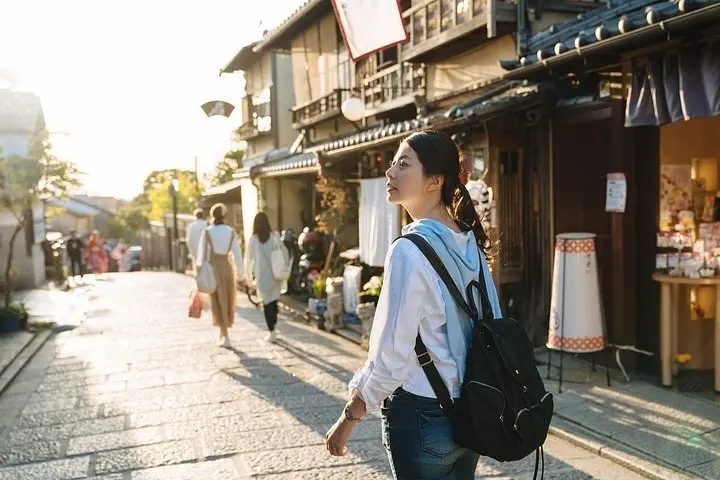
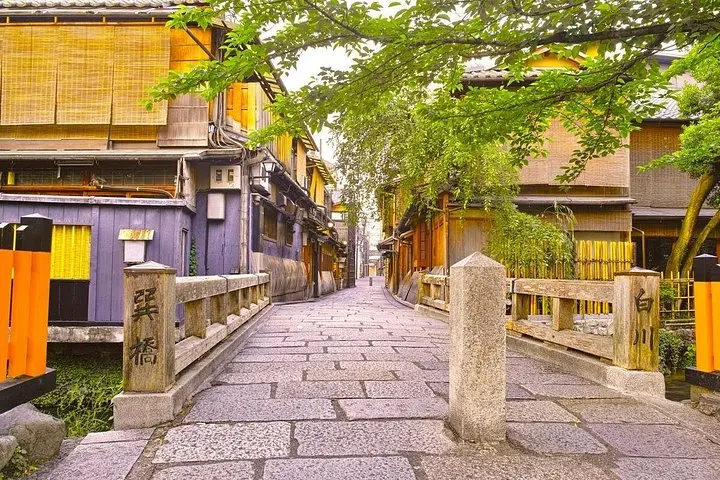
Morning light slips between wooden machiya and paints the Shirakawa canal silver as a private group begins a three-hour sweep through Higashiyama. Lanterns still bear last night’s warmth, cobblestones cool underfoot; the river dares you to slow down and listen as your guide threads history into each corner.
Morning light slips between wooden machiya and paints the Shirakawa canal silver as a private group begins a three-hour sweep through Higashiyama. Lanterns still bear last night’s warmth, cobblestones cool underfoot; the river dares you to slow down and listen as your guide threads history into each corner.
Kyoto served as Japan’s imperial capital from 794 to 1868, and its streets still carry that structure — narrow alleys leading to grand temples built where hills give way to the city. The tour moves from Gion’s geisha-lined lanes to Maruyama Park’s famed weeping cherry, past Chion-in’s massive wooden gate and up the hill to Yasaka Pagoda, where the city opens beneath the hillside. The journey culminates at Kiyomizu-dera, a wooden terrace clinging to a hillside that offers a sweeping view across Kyoto’s tiled roofs to distant ridgelines.
Geology informs the route: the Higashiyama foothills create steady uphill stretches and stone steps, while narrow drainage channels shape the alleyways you follow. Cultural cues matter here — quiet voices near temples, small offerings, and the measured pace of teahouse neighborhoods.
Practical guidance: expect 2.5–4 km of walking with intermittent steep sections (roughly 100–150 m cumulative elevation gain). Surfaces vary from smooth pavement to uneven cobbles; supportive shoes and a light rain layer are sensible. The tour is private, guided, and does not automatically include temple admissions; confirm tickets and guide language at booking. Bring cash for shrine offerings and small purchases, hydrate, and plan mornings or late afternoons to avoid peak crowds.