THE ADVENTURE COLLECTIVE® · Independent discovery and booking for outdoor travel

Walk from the torii tunnels of Fushimi Inari to the river views of Arashiyama on a guided 5–6 hour tour that blends cultural history, bamboo groves, and a mountaintop monkey park. Perfect for travelers who want a compact but full-day taste of Kyoto’s landscapes and legends.
Walk from the torii tunnels of Fushimi Inari to the river views of Arashiyama on a guided 5–6 hour tour that blends cultural history, bamboo groves, and a mountaintop monkey park. Perfect for travelers who want a compact but full-day taste of Kyoto’s landscapes and legends.
You step out under a low sky at Fushimi Inari, the air carrying the sharp scent of incense and rain-warmed stone. The line of vermilion torii gates presses close, corridor after corridor chiseling a route up the foothills; fox statues keep watch while the city hums far below.
Verified experiences and guided adventures in the surrounding area.
Operated by Japanify Tours · Kyoto, Kyoto Prefecture
You step out under a low sky at Fushimi Inari, the air carrying the sharp scent of incense and rain-warmed stone. The line of vermilion torii gates presses close, corridor after corridor chiseling a route up the foothills; fox statues keep watch while the city hums far below.
The route ties two of Kyoto’s most visible stories together: Shinto devotion at Fushimi Inari, where generations have placed gates to mark private vows, and the river-and-forest landscapes of Arashiyama, shaped by volcanic sediments and river terraces of the Katsura. Tenryuji’s garden layers Zen planning over older landscape features, and the Togetsukyo Bridge frames seasonal change—from cherry bloom to autumn flame—while the Katsura River dares you to slow down and look.
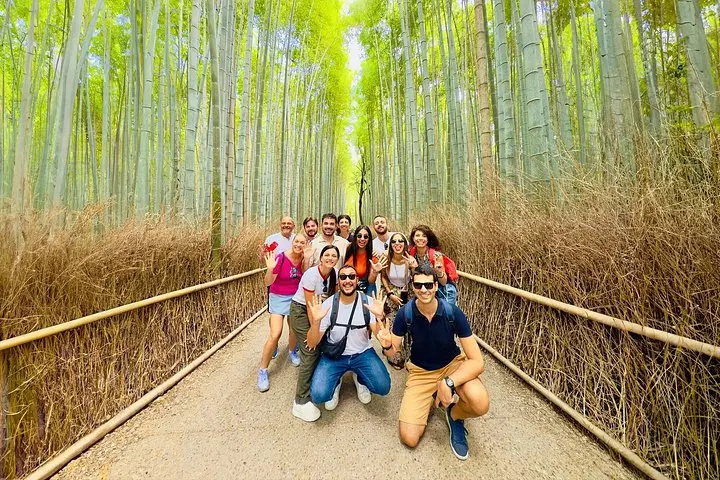
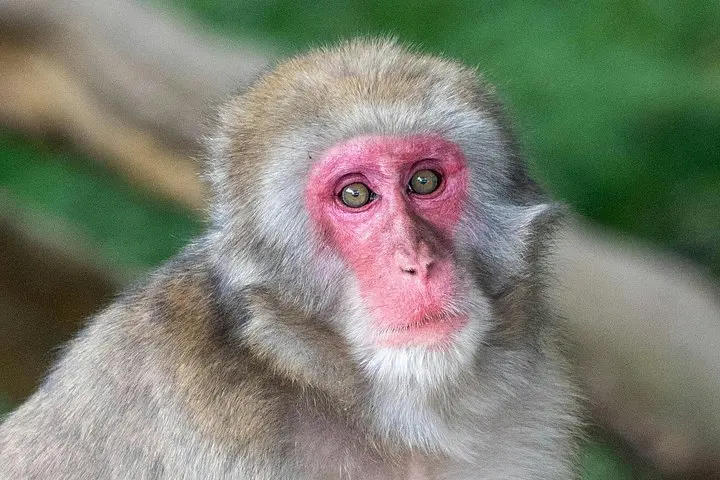
Cultural notes surface along the way: the torii represent passages between worlds, bamboo groves have long been used for craft and construction, and Iwatayama hosts a habituated troop of Japanese macaques that live on the mountain slopes.
Practical guidance: expect 5–6 hours walking with multiple short hikes, some uphill stretches (the monkey park trail is a 20–30 minute climb). Wear grippy shoes, carry water, and layer for changing microclimates between river flats and shaded paths. Bring cash for small admissions and snacks—the guide purchases site tickets when required. Tours move at a steady pace but include stops for photos and local stories; WhatsApp is used for last-minute updates, so install it before your trip.
Timing matters: start early to avoid crowds at the torii and reserve energy for the Arashiyama climb. Respect wildlife rules at the monkey park—observe from designated areas and follow guide instructions.
Expect 8–12 km of walking spread over 5–6 hours, including the torii approaches, garden visits, riverfront strolls, and the uphill to the monkey park.
Some admissions (like Tenryuji Garden and Monkey Park) are paid on site; the guide purchases tickets during the tour, so bring cash and allow a short wait.
Strollers and wheelchairs are not permitted due to uneven terrain and stairs; children can participate but should be steady walkers for the full day.
The tour is offered in English; other language requests may be possible if arranged before booking.
Japanify Tours operates guided outdoor trips and adventures with an emphasis on safety, stewardship, and memorable experiences.
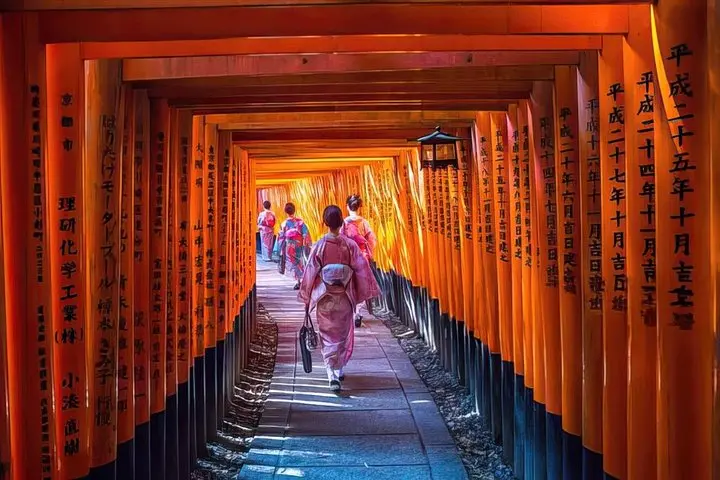
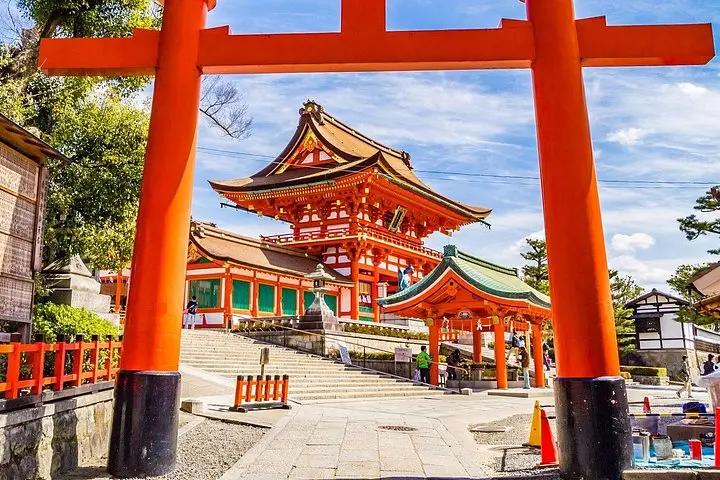
You step out under a low sky at Fushimi Inari, the air carrying the sharp scent of incense and rain-warmed stone. The line of vermilion torii gates presses close, corridor after corridor chiseling a route up the foothills; fox statues keep watch while the city hums far below.
You step out under a low sky at Fushimi Inari, the air carrying the sharp scent of incense and rain-warmed stone. The line of vermilion torii gates presses close, corridor after corridor chiseling a route up the foothills; fox statues keep watch while the city hums far below.
The route ties two of Kyoto’s most visible stories together: Shinto devotion at Fushimi Inari, where generations have placed gates to mark private vows, and the river-and-forest landscapes of Arashiyama, shaped by volcanic sediments and river terraces of the Katsura. Tenryuji’s garden layers Zen planning over older landscape features, and the Togetsukyo Bridge frames seasonal change—from cherry bloom to autumn flame—while the Katsura River dares you to slow down and look.
Cultural notes surface along the way: the torii represent passages between worlds, bamboo groves have long been used for craft and construction, and Iwatayama hosts a habituated troop of Japanese macaques that live on the mountain slopes.
Practical guidance: expect 5–6 hours walking with multiple short hikes, some uphill stretches (the monkey park trail is a 20–30 minute climb). Wear grippy shoes, carry water, and layer for changing microclimates between river flats and shaded paths. Bring cash for small admissions and snacks—the guide purchases site tickets when required. Tours move at a steady pace but include stops for photos and local stories; WhatsApp is used for last-minute updates, so install it before your trip.
Timing matters: start early to avoid crowds at the torii and reserve energy for the Arashiyama climb. Respect wildlife rules at the monkey park—observe from designated areas and follow guide instructions.