THE ADVENTURE COLLECTIVE® · Independent discovery and booking for outdoor travel

Walk through La Boca with a local who grew up with the colors and chants—learn mural stories in Caminito and visit the Boca Juniors museum. This three-hour tour pairs neighborhood history with soccer culture and practical tips for navigating the streets.
Walk through La Boca with a local who grew up with the colors and chants—learn mural stories in Caminito and visit the Boca Juniors museum. This three-hour tour pairs neighborhood history with soccer culture and practical tips for navigating the streets.
You step off the bus into color: corrugated metal houses painted like flags, locals arguing over a game that finished last night, the Riachuelo river running low and daring you to learn why this neighborhood pushed Buenos Aires into being.
Verified experiences and guided adventures in the surrounding area.
Operated by Homefans · Buenos Aires, Buenos Aires
You step off the bus into color: corrugated metal houses painted like flags, locals arguing over a game that finished last night, the Riachuelo river running low and daring you to learn why this neighborhood pushed Buenos Aires into being.
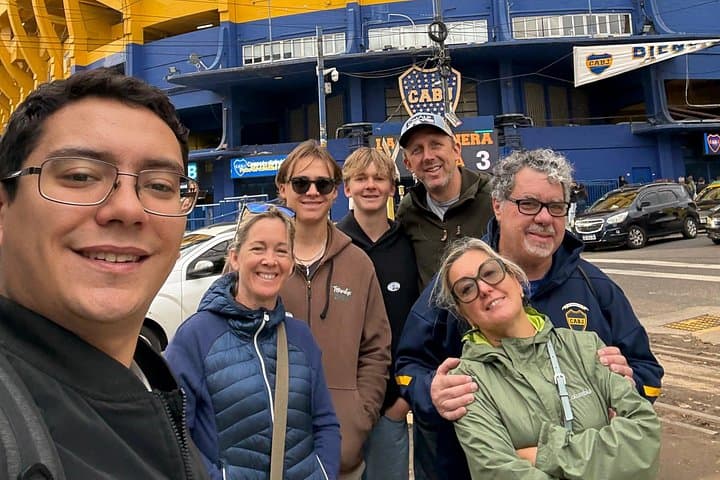
This walking experience threads Caminito’s painted alleys and tango murals with the weight of La Bombonera nearby. La Boca began as the port for immigrant Buenos Aires; Italian dockworkers shaped its streets and song. The stadium — completed in the 1940s and known formally as Estadio Alberto J. Armando — towers over the barrio, its steep stands echoing chants that have defined Argentine football culture. The museum houses trophies, jerseys and audiovisual exhibits on icons such as Riquelme and Maradona; access to pitch-side areas can be limited depending on operations.
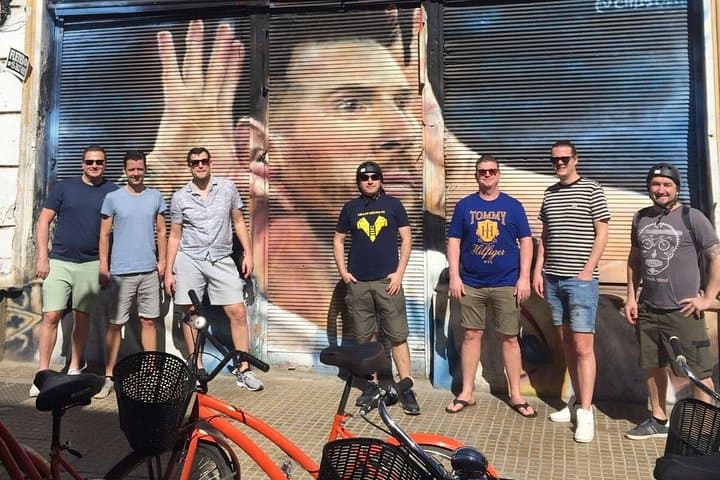
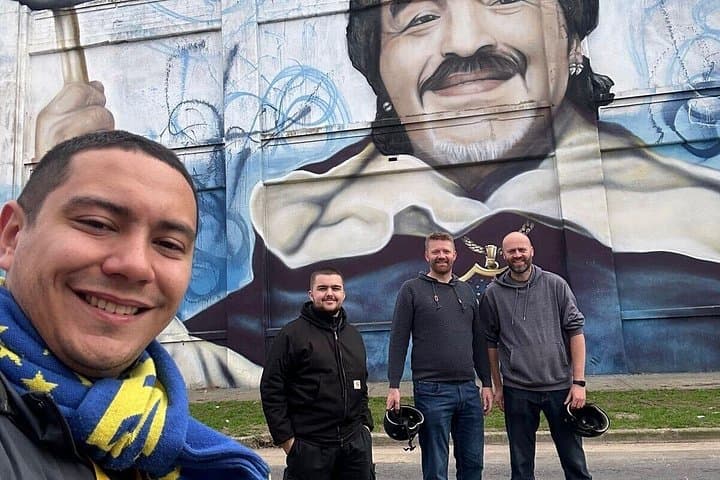
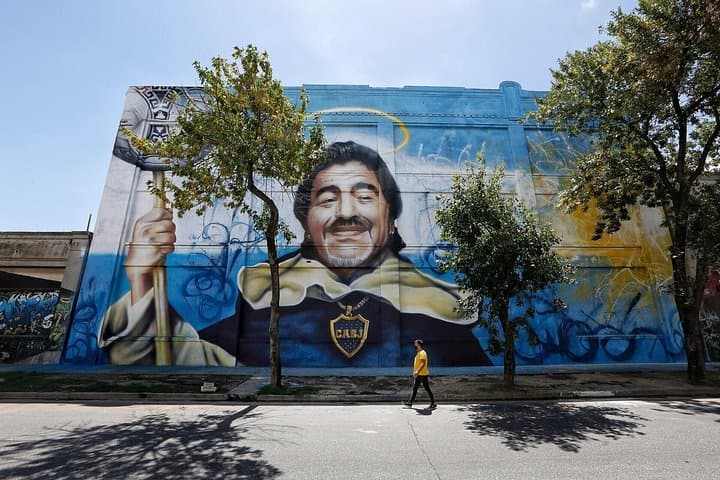
Geology here is urban reclaimed: landfill edges, narrow cobbles and a river that both enabled growth and bears the cost of industrialization. The guide’s local knowledge links mural stories to families and political moments, turning facades into a living archive rather than mere photo backdrops.
Practical guidance: expect three hours on foot, mostly flat but with uneven sidewalks. Bring secure pockets for street markets, a printed or mobile ticket for the museum, and enough cash for empanadas. Morning light favors photography in Caminito; late afternoons bring the stadium’s shadow over the alleys. Public transit (bus and nearby subway lines) is convenient; avoid showing valuables and follow your guide’s route into side streets.
The tour includes entry to the Boca Juniors Museum; full pitch-side or changing-room access may be restricted depending on stadium operations and is not guaranteed.
La Boca is accessible by several bus lines and a short taxi from the nearest subway (Subte) stations—ask your booking to confirm the recommended stop.
The route is primarily flat but has uneven sidewalks and some narrow passages; it’s rated as easy but not recommended for those with serious mobility limitations.
Yes—this listing specifies a bilingual local guide who provides commentary in English; check at booking if you need another language.
Homefans operates guided outdoor trips and adventures with an emphasis on safety, stewardship, and memorable experiences.
You step off the bus into color: corrugated metal houses painted like flags, locals arguing over a game that finished last night, the Riachuelo river running low and daring you to learn why this neighborhood pushed Buenos Aires into being.
You step off the bus into color: corrugated metal houses painted like flags, locals arguing over a game that finished last night, the Riachuelo river running low and daring you to learn why this neighborhood pushed Buenos Aires into being.
This walking experience threads Caminito’s painted alleys and tango murals with the weight of La Bombonera nearby. La Boca began as the port for immigrant Buenos Aires; Italian dockworkers shaped its streets and song. The stadium — completed in the 1940s and known formally as Estadio Alberto J. Armando — towers over the barrio, its steep stands echoing chants that have defined Argentine football culture. The museum houses trophies, jerseys and audiovisual exhibits on icons such as Riquelme and Maradona; access to pitch-side areas can be limited depending on operations.
Geology here is urban reclaimed: landfill edges, narrow cobbles and a river that both enabled growth and bears the cost of industrialization. The guide’s local knowledge links mural stories to families and political moments, turning facades into a living archive rather than mere photo backdrops.
Practical guidance: expect three hours on foot, mostly flat but with uneven sidewalks. Bring secure pockets for street markets, a printed or mobile ticket for the museum, and enough cash for empanadas. Morning light favors photography in Caminito; late afternoons bring the stadium’s shadow over the alleys. Public transit (bus and nearby subway lines) is convenient; avoid showing valuables and follow your guide’s route into side streets.