THE ADVENTURE COLLECTIVE® · Independent discovery and booking for outdoor travel

Walk a working cacao farm and step into a small chocolate factory at La Esmeralda. This guided tour unpacks sowing, fermentation, and chocolate-making with hands-on opportunities and local tasting.
Walk a working cacao farm and step into a small chocolate factory at La Esmeralda. This guided tour unpacks sowing, fermentation, and chocolate-making with hands-on opportunities and local tasting.
Heat and humidity lift off the fields as visitors step from the van into a patchwork of green—rows of cacao trees under the cool shade of larger fruit trees, leaves whispering as guides point to ripe pods. The plantation at La Esmeralda lays its work open: the lived-in tang of fermented beans, the metallic glint of drying racks, and the warm, persistent aroma that becomes chocolate.
Verified experiences and guided adventures in the surrounding area.
Operated by Cacao Chocolate Tours · Punta Cana, La Altagracia
Heat and humidity lift off the fields as visitors step from the van into a patchwork of green—rows of cacao trees under the cool shade of larger fruit trees, leaves whispering as guides point to ripe pods. The plantation at La Esmeralda lays its work open: the lived-in tang of fermented beans, the metallic glint of drying racks, and the warm, persistent aroma that becomes chocolate.
Cacao in the Dominican Republic has roots in pre-Columbian agriculture and a colonial history that re-shaped cultivation and trade. Geologically, the island’s limestone soils and warm, humid microclimates create favorable conditions for fine-flavor cacao; culturally, small-scale farms are tightly tied to local communities and culinary traditions.
The tour follows a clear process: sowing and nursery care, harvesting and pod opening, fermentation and drying, then a walk through the factory where roasting, grinding and conching are explained. Guests try hands-on steps and make a simple bar, finishing with a buffet lunch and a cup of local hot chocolate.
Practical guidance: arrive with a smart-casual outfit that fits the operator’s dress code, but expect to walk on uneven earth and near drying platforms—comfortable closed-toe shoes that meet the dress standard are best. Hydrate before and during the visit; mid-morning departures avoid hottest hours. If you want translation, request a multi-lingual guide in advance. The experience is short (about 2.5 hours) but rich: sensory, educational, and rooted in local farming practice.
Some bookings include transportation—confirm at checkout; the listing notes transportation if chosen as an inclusion.
Yes, but children must be accompanied by an adult and may need close supervision during hands-on and factory areas.
Yes—tastings are part of the visit and guests will have a supervised opportunity to make a simple chocolate bar.
Vegetarian options are available; advise the operator at booking so they can accommodate dietary needs.
Cacao Chocolate Tours operates guided outdoor trips and adventures with an emphasis on safety, stewardship, and memorable experiences.
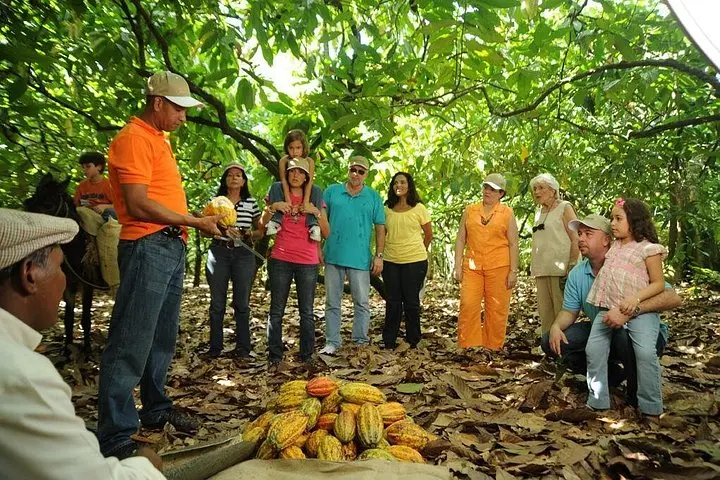
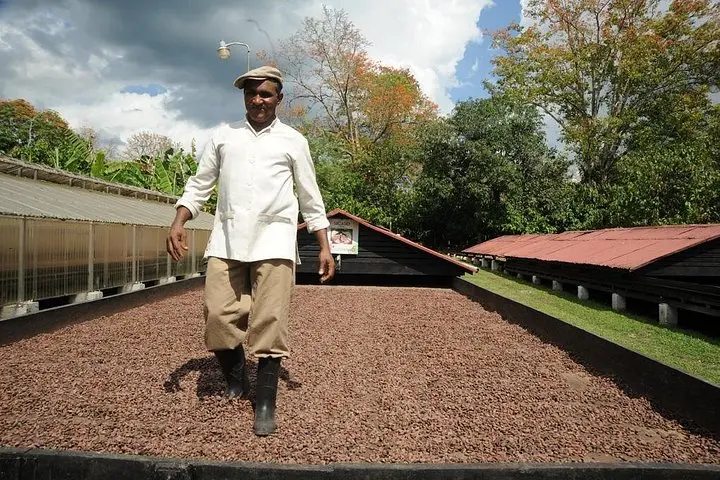
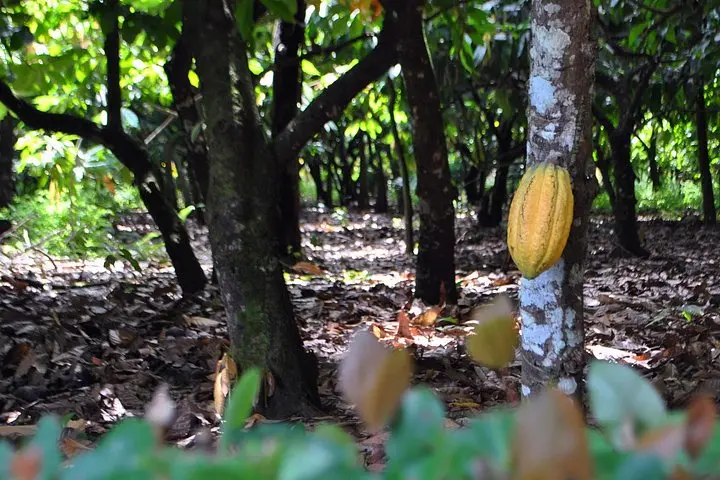
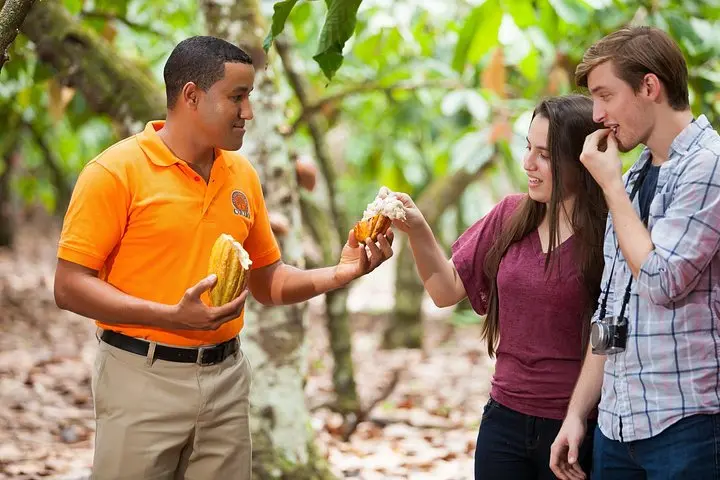
Heat and humidity lift off the fields as visitors step from the van into a patchwork of green—rows of cacao trees under the cool shade of larger fruit trees, leaves whispering as guides point to ripe pods. The plantation at La Esmeralda lays its work open: the lived-in tang of fermented beans, the metallic glint of drying racks, and the warm, persistent aroma that becomes chocolate.
Heat and humidity lift off the fields as visitors step from the van into a patchwork of green—rows of cacao trees under the cool shade of larger fruit trees, leaves whispering as guides point to ripe pods. The plantation at La Esmeralda lays its work open: the lived-in tang of fermented beans, the metallic glint of drying racks, and the warm, persistent aroma that becomes chocolate.
Cacao in the Dominican Republic has roots in pre-Columbian agriculture and a colonial history that re-shaped cultivation and trade. Geologically, the island’s limestone soils and warm, humid microclimates create favorable conditions for fine-flavor cacao; culturally, small-scale farms are tightly tied to local communities and culinary traditions.
The tour follows a clear process: sowing and nursery care, harvesting and pod opening, fermentation and drying, then a walk through the factory where roasting, grinding and conching are explained. Guests try hands-on steps and make a simple bar, finishing with a buffet lunch and a cup of local hot chocolate.
Practical guidance: arrive with a smart-casual outfit that fits the operator’s dress code, but expect to walk on uneven earth and near drying platforms—comfortable closed-toe shoes that meet the dress standard are best. Hydrate before and during the visit; mid-morning departures avoid hottest hours. If you want translation, request a multi-lingual guide in advance. The experience is short (about 2.5 hours) but rich: sensory, educational, and rooted in local farming practice.