THE ADVENTURE COLLECTIVE® · Independent discovery and booking for outdoor travel

Ride a wagon through working sugarcane fields near Arenal and learn sustainable cultivation and processing across three stations: fertilizer, fields, and the mill. This gentle, family-friendly tour blends hands-on demonstrations with clear explanations of local farming and industry.
Ride a wagon through working sugarcane fields near Arenal and learn sustainable cultivation and processing across three stations: fertilizer, fields, and the mill. This gentle, family-friendly tour blends hands-on demonstrations with clear explanations of local farming and industry.
You step onto a wooden wagon as the farm exhales the sweet, green scent of freshly cut cane—dust motes spin in shafts of low sun while the distant cone of Arenal watches, patient and volcanic.
Verified experiences and guided adventures in the surrounding area.
Operated by Volcano Travel Costa Rica · La Fortuna, Alajuela
You step onto a wooden wagon as the farm exhales the sweet, green scent of freshly cut cane—dust motes spin in shafts of low sun while the distant cone of Arenal watches, patient and volcanic.
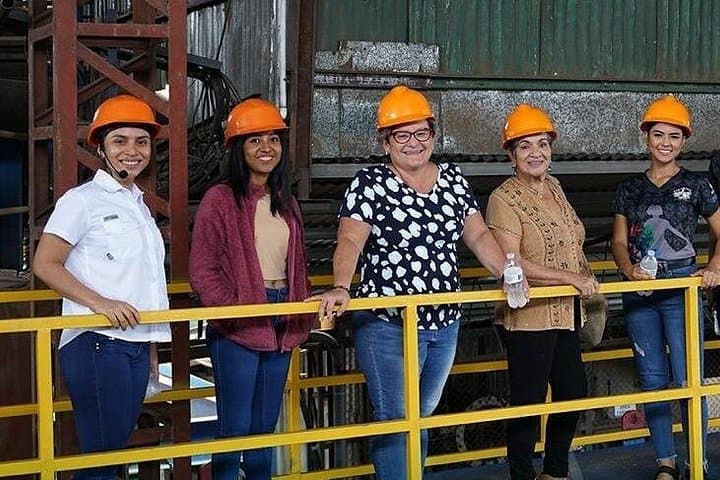
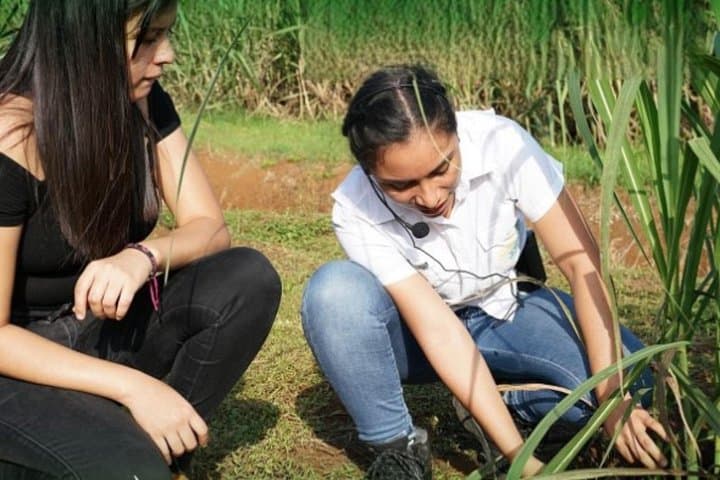
The two-hour ride threads through rows of cane and past compact processing sheds. Guides stop at the Organic Fertilizer station to show compost cycles, then at cultivation plots to explain soil choices and varietal selection influenced by Arenal’s volcanic loams. At the industrial station you’ll see crushers and simple boiling pans; the tour explains how traditional techniques meet modern sustainability in this region.
Sugarcane has shaped Guanacaste and northern Alajuela economies for generations—an agricultural backbone adapted to tropical cycles and local labor traditions. Geologically, the area's volcanic soils lend mineral richness and quick drainage that sugarcane favors; culturally, the crop ties to family farms and seasonal harvest rhythms.
Practically, expect a gentle, low-impact outing: mostly seated wagon travel with short standing stops and light walking over uneven dirt and occasional steps. Bring sun protection and insect repellent for field stops; rain showers are common in the wet season, so a packable rain jacket helps. Tours are bilingual and family-friendly but require a minimum of four people and may include child seats on request.
This experience is best for travelers wanting hands-on agro-tourism—not a strenuous hike, but an informative, sensory ride through Costa Rica’s working landscape where soil, sweat and sugar meet.
The scheduled tour lasts about 2 hours, with options extending up to 4 hours depending on group size and additional demonstrations.
Yes—it's family-friendly and offers infant seats on request, but inform booking agents of children under 12 so child seats can be provided.
Most tours include demonstrations of juice extraction and simple samples of traditional cane products; check with the guide about food allergies.
The wagon ride minimizes walking, but there are short uneven surfaces and steps at some stations—contact the operator in advance to discuss accessibility needs.
Volcano Travel Costa Rica operates guided outdoor trips and adventures with an emphasis on safety, stewardship, and memorable experiences.

You step onto a wooden wagon as the farm exhales the sweet, green scent of freshly cut cane—dust motes spin in shafts of low sun while the distant cone of Arenal watches, patient and volcanic.
You step onto a wooden wagon as the farm exhales the sweet, green scent of freshly cut cane—dust motes spin in shafts of low sun while the distant cone of Arenal watches, patient and volcanic.
The two-hour ride threads through rows of cane and past compact processing sheds. Guides stop at the Organic Fertilizer station to show compost cycles, then at cultivation plots to explain soil choices and varietal selection influenced by Arenal’s volcanic loams. At the industrial station you’ll see crushers and simple boiling pans; the tour explains how traditional techniques meet modern sustainability in this region.
Sugarcane has shaped Guanacaste and northern Alajuela economies for generations—an agricultural backbone adapted to tropical cycles and local labor traditions. Geologically, the area's volcanic soils lend mineral richness and quick drainage that sugarcane favors; culturally, the crop ties to family farms and seasonal harvest rhythms.
Practically, expect a gentle, low-impact outing: mostly seated wagon travel with short standing stops and light walking over uneven dirt and occasional steps. Bring sun protection and insect repellent for field stops; rain showers are common in the wet season, so a packable rain jacket helps. Tours are bilingual and family-friendly but require a minimum of four people and may include child seats on request.
This experience is best for travelers wanting hands-on agro-tourism—not a strenuous hike, but an informative, sensory ride through Costa Rica’s working landscape where soil, sweat and sugar meet.