THE ADVENTURE COLLECTIVE® · Independent discovery and booking for outdoor travel

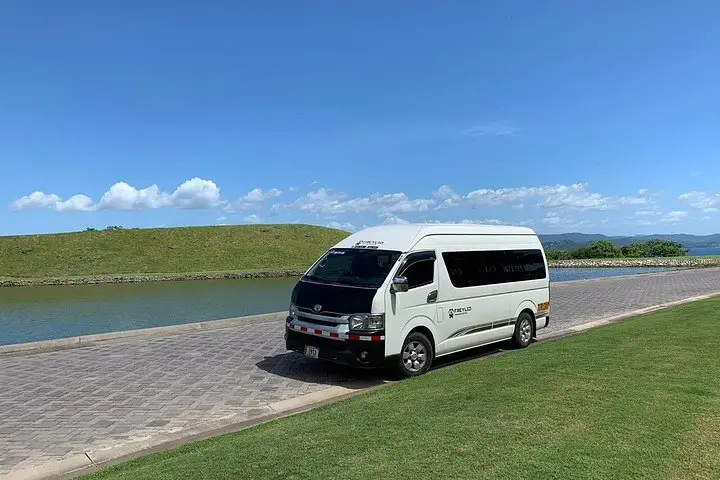
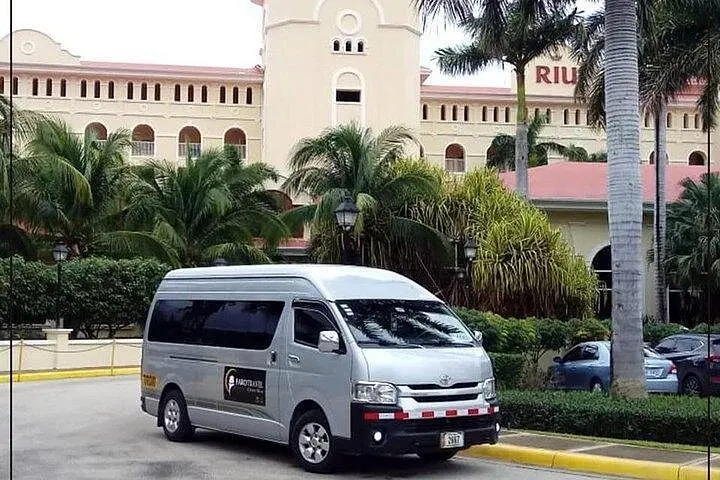
Skip the bus lines and enjoy a door-to-door private minivan transfer between La Fortuna (Arenal) and surf-side Tamarindo. Expect a 4–5 hour drive across Lake Arenal’s foothills into Guanacaste’s coastal plain with Wi‑Fi, AC, and the option for infant seats.
Skip the bus lines and enjoy a door-to-door private minivan transfer between La Fortuna (Arenal) and surf-side Tamarindo. Expect a 4–5 hour drive across Lake Arenal’s foothills into Guanacaste’s coastal plain with Wi‑Fi, AC, and the option for infant seats.
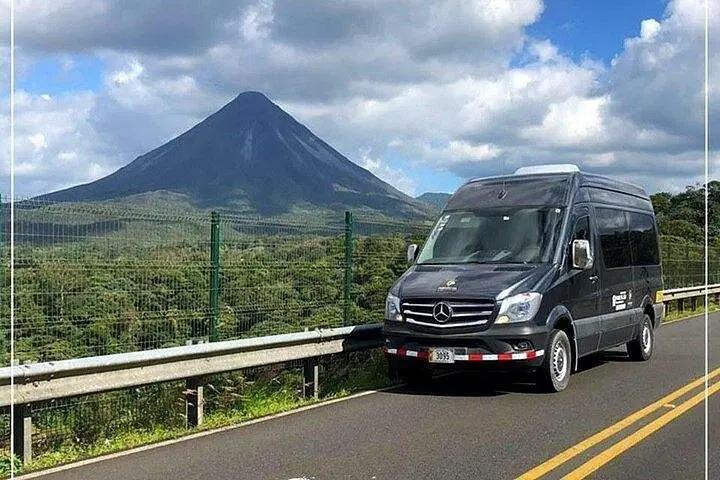
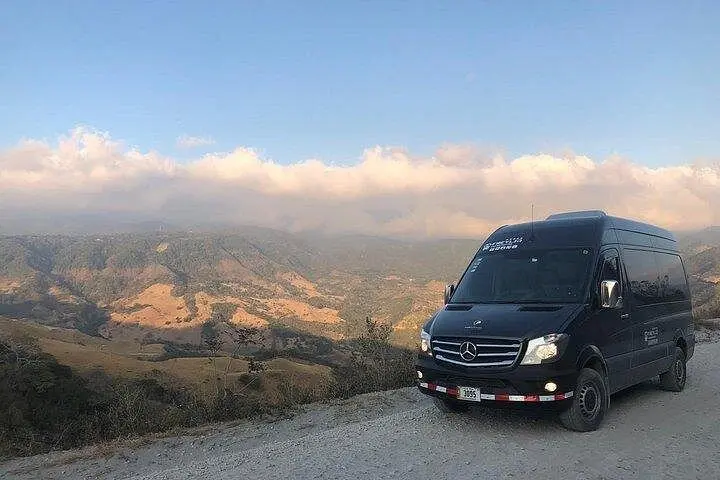
You step into an air‑conditioned minivan in the shadow of Arenal’s broad cone and watch the road descend toward the Pacific: Lake Arenal glints briefly on the left, the highway threads through patches of humid rainforest and then opens into the sun-drier Guanacaste plains. The ride moves at a steady, practical pace — a corridor through Costa Rica’s changing climates rather than a scenic sprint.
Verified experiences and guided adventures in the surrounding area.
Operated by Faro Travel Costa Rica · La Fortuna de San Carlos, Alajuela
You step into an air‑conditioned minivan in the shadow of Arenal’s broad cone and watch the road descend toward the Pacific: Lake Arenal glints briefly on the left, the highway threads through patches of humid rainforest and then opens into the sun-drier Guanacaste plains. The ride moves at a steady, practical pace — a corridor through Costa Rica’s changing climates rather than a scenic sprint.
The route links two very different Costa Rican personalities. La Fortuna grew around volcanic geology and hot springs fed by Arenal’s eruptions; Tamarindo is a tide-driven surf town on the Nicoya Peninsula, born from fishing and now shaped by tourism. Geologically you travel from volcanic-andesitic foothills down to coastal sedimentary plains; ecologically you’ll notice a shift from wet forest to the thornier dry forest and mangrove-lined estuaries near the coast.
Local culture along the way mixes cattle-country Guanacaste rhythms with the expat-and-surf energy of Tamarindo — expect bilingual drivers and a few roadside soda stands serving gallo pinto if you stop. Historic notes: roads here opened modern access across northern Costa Rica in the late 20th century, accelerating tourism and agricultural trade.
Practical guidance: the drive takes roughly 4–5 hours depending on traffic and weather (about 190–200 km). Book a private transfer for door-to-door reliability, especially if you’re moving luggage or traveling with kids — infant seats are available. Carry light layers for temperature shifts, a charged phone for photo stops and offline maps, and plan around the rainy season when roads can slow. Drivers typically allow a short restroom/refreshment break; confirm pickup/drop-off names and flight details for airport runs. This is a straightforward, efficient way to move between two of Costa Rica’s most-visited regions without the hassle of multiple vehicles.
Expect approximately 4–5 hours depending on traffic, weather, and stops; the supplier lists a fixed duration of about 240 minutes but real-world times vary.
Most private transfers include a limited free wait time (typically about an hour total on the route) for bathroom breaks and short photo stops — confirm when booking.
Yes — specialized infant seats are available on request; indicate child age/weight when you book so the operator can prepare one.
Provide updated flight details for airport pickups; however, check the provider’s cancellation policy since some services are non-refundable and may have strict schedules.
Faro Travel Costa Rica operates guided outdoor trips and adventures with an emphasis on safety, stewardship, and memorable experiences.
You step into an air‑conditioned minivan in the shadow of Arenal’s broad cone and watch the road descend toward the Pacific: Lake Arenal glints briefly on the left, the highway threads through patches of humid rainforest and then opens into the sun-drier Guanacaste plains. The ride moves at a steady, practical pace — a corridor through Costa Rica’s changing climates rather than a scenic sprint.
You step into an air‑conditioned minivan in the shadow of Arenal’s broad cone and watch the road descend toward the Pacific: Lake Arenal glints briefly on the left, the highway threads through patches of humid rainforest and then opens into the sun-drier Guanacaste plains. The ride moves at a steady, practical pace — a corridor through Costa Rica’s changing climates rather than a scenic sprint.
The route links two very different Costa Rican personalities. La Fortuna grew around volcanic geology and hot springs fed by Arenal’s eruptions; Tamarindo is a tide-driven surf town on the Nicoya Peninsula, born from fishing and now shaped by tourism. Geologically you travel from volcanic-andesitic foothills down to coastal sedimentary plains; ecologically you’ll notice a shift from wet forest to the thornier dry forest and mangrove-lined estuaries near the coast.
Local culture along the way mixes cattle-country Guanacaste rhythms with the expat-and-surf energy of Tamarindo — expect bilingual drivers and a few roadside soda stands serving gallo pinto if you stop. Historic notes: roads here opened modern access across northern Costa Rica in the late 20th century, accelerating tourism and agricultural trade.
Practical guidance: the drive takes roughly 4–5 hours depending on traffic and weather (about 190–200 km). Book a private transfer for door-to-door reliability, especially if you’re moving luggage or traveling with kids — infant seats are available. Carry light layers for temperature shifts, a charged phone for photo stops and offline maps, and plan around the rainy season when roads can slow. Drivers typically allow a short restroom/refreshment break; confirm pickup/drop-off names and flight details for airport runs. This is a straightforward, efficient way to move between two of Costa Rica’s most-visited regions without the hassle of multiple vehicles.