THE ADVENTURE COLLECTIVE® · Independent discovery and booking for outdoor travel

Wade through Rio Blanco’s jungle and arrive at La Leona, a deep-blue waterfall squeezed between canyon walls. This private 4-hour river hike from Liberia combines river crossings, a turquoise plunge pool, and volcanic geology explained by local guides.
Wade through Rio Blanco’s jungle and arrive at La Leona, a deep-blue waterfall squeezed between canyon walls. This private 4-hour river hike from Liberia combines river crossings, a turquoise plunge pool, and volcanic geology explained by local guides.
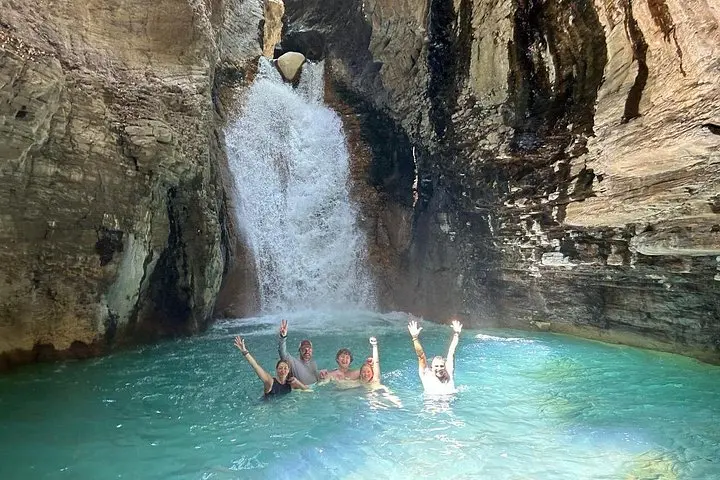
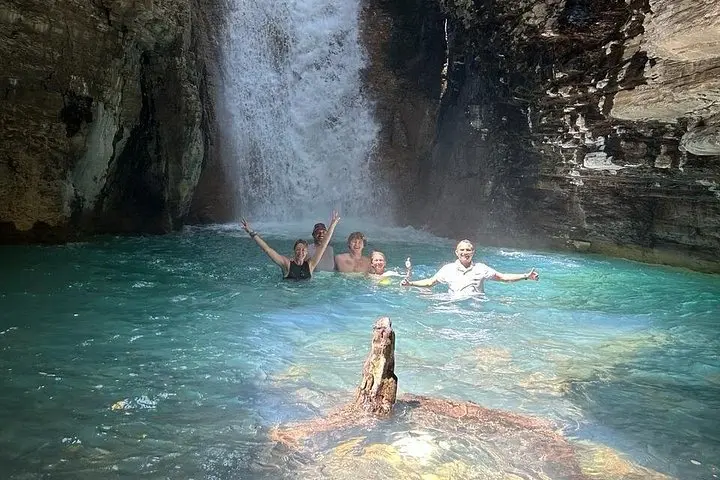
The first step into the forest feels like lowering the volume on the modern world. Damp leaf litter muffles your shoes, cicadas ratchet in the canopy, and the path narrows until it becomes a ribbon of river underfoot. La Leona waits ahead, framed between two steep canyon walls, its pool an almost impossible turquoise that seems to glow from within.
Verified experiences and guided adventures in the surrounding area.
Operated by The Best Day Ever! | Costa Rica Tour Operator & DMC · Liberia, Guanacaste
The first step into the forest feels like lowering the volume on the modern world. Damp leaf litter muffles your shoes, cicadas ratchet in the canopy, and the path narrows until it becomes a ribbon of river underfoot. La Leona waits ahead, framed between two steep canyon walls, its pool an almost impossible turquoise that seems to glow from within.
This is Rio Blanco’s work — water born on the skirts of Rincón de la Vieja volcano, carrying minerals and a hint of sulfur that bend sunlight into blues you don’t often see in freshwater. Locals have long known the route as a place to cool off after a hot inland morning; the waterfall itself sits in a narrow slot where the canyon channels the flow, carving smooth rock and calm plunge pools.
Geologically, the Wallace of stone you walk along is young: volcanic flows and hot springs have reshaped this landscape in the past million years, creating pockets where chemical runoff affects water color. Culturally, the Guanacaste region blends indigenous Chorotega influences with ranching and cowboy traditions; guides often point out old cattle trails reused by visitors and paths that follow ancestral game routes.
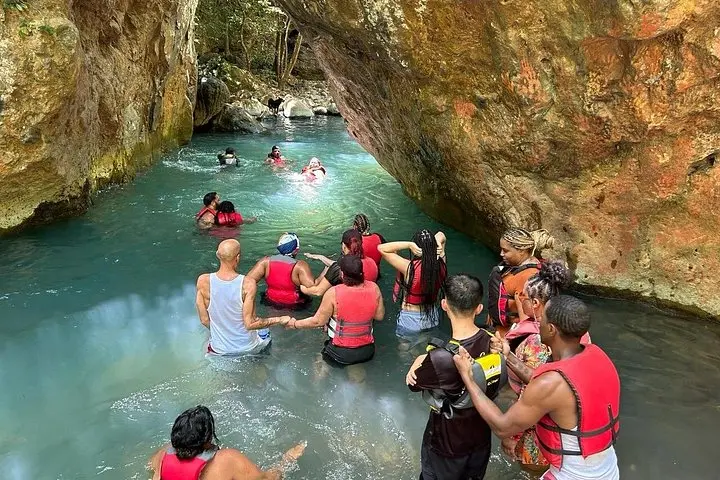
On a private tour the rhythm is deliberate — a short safety briefing, then a steady hike through secondary rainforest, several shallow river crossings, and finally the canyon approach. Expect about 3 miles (5 km) round-trip and roughly 300–400 feet (90–120 m) of cumulative ascent on uneven terrain; parts of the trail are rocky and slick, and the last approach hugs the river.
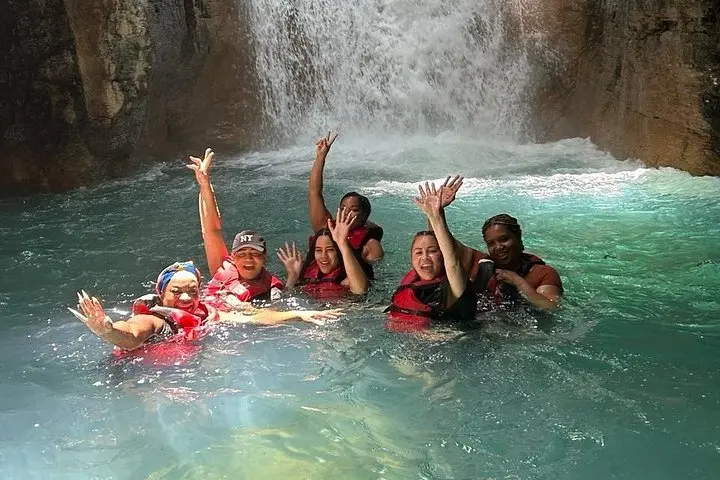
Practicalities matter here. Wear water-friendly shoes with good grip and quick-dry clothes; bring a small dry bag for electronics, and a reef-safe sunscreen. Guides supply bottled water, lunch, and a waterproof bag, but you should carry a reusable bottle and snacks for extra energy. If you plan to swim, know your limits: currents near the plunge pool can pull at ankles and the water is cool even on hot days.
Timing is everything — mornings bring clearer light in the canyon and fewer mosquitoes, while afternoons often make the river fuller and the current stronger. The private format means you can set a comfortable pace and ask your guide about local flora, medicinal plants, and the volcano’s role in feeding the watershed.
Conservation-minded travelers should stick to designated routes, avoid introducing soaps into the water, and leave no trace. La Leona rewards patience: stay, listen, and the place will reveal the subtle layers that make a short hike feel like a real encounter with Costa Rica’s wild heart.
The tour is about 4 hours total with roughly 3 miles (5 km) round-trip and moderate technical difficulty: uneven trails, rocks, and several shallow river crossings.
Yes, swimming in the plunge pool is allowed but only under guide supervision; currents near the falls can be strong so assess your ability first.
Wear quick-dry clothes and closed-toe water shoes; bring a hat and reef-safe sunscreen. A spare towel and dry clothes for the return are helpful.
Children may join depending on age and ability; the tour is not recommended for pregnant travelers or those with serious spinal or cardiovascular conditions.
Most guides in this region speak English and Spanish; if you need a specific language request it at booking to ensure availability.
Tours may be canceled for heavy rain or unsafe river conditions; the cancellation policy allows a full refund if canceled 24 hours in advance.
The Best Day Ever! | Costa Rica Tour Operator & DMC operates guided outdoor trips and adventures with an emphasis on safety, stewardship, and memorable experiences.
The first step into the forest feels like lowering the volume on the modern world. Damp leaf litter muffles your shoes, cicadas ratchet in the canopy, and the path narrows until it becomes a ribbon of river underfoot. La Leona waits ahead, framed between two steep canyon walls, its pool an almost impossible turquoise that seems to glow from within.
The first step into the forest feels like lowering the volume on the modern world. Damp leaf litter muffles your shoes, cicadas ratchet in the canopy, and the path narrows until it becomes a ribbon of river underfoot. La Leona waits ahead, framed between two steep canyon walls, its pool an almost impossible turquoise that seems to glow from within.
This is Rio Blanco’s work — water born on the skirts of Rincón de la Vieja volcano, carrying minerals and a hint of sulfur that bend sunlight into blues you don’t often see in freshwater. Locals have long known the route as a place to cool off after a hot inland morning; the waterfall itself sits in a narrow slot where the canyon channels the flow, carving smooth rock and calm plunge pools.
Geologically, the Wallace of stone you walk along is young: volcanic flows and hot springs have reshaped this landscape in the past million years, creating pockets where chemical runoff affects water color. Culturally, the Guanacaste region blends indigenous Chorotega influences with ranching and cowboy traditions; guides often point out old cattle trails reused by visitors and paths that follow ancestral game routes.
On a private tour the rhythm is deliberate — a short safety briefing, then a steady hike through secondary rainforest, several shallow river crossings, and finally the canyon approach. Expect about 3 miles (5 km) round-trip and roughly 300–400 feet (90–120 m) of cumulative ascent on uneven terrain; parts of the trail are rocky and slick, and the last approach hugs the river.
Practicalities matter here. Wear water-friendly shoes with good grip and quick-dry clothes; bring a small dry bag for electronics, and a reef-safe sunscreen. Guides supply bottled water, lunch, and a waterproof bag, but you should carry a reusable bottle and snacks for extra energy. If you plan to swim, know your limits: currents near the plunge pool can pull at ankles and the water is cool even on hot days.
Timing is everything — mornings bring clearer light in the canyon and fewer mosquitoes, while afternoons often make the river fuller and the current stronger. The private format means you can set a comfortable pace and ask your guide about local flora, medicinal plants, and the volcano’s role in feeding the watershed.
Conservation-minded travelers should stick to designated routes, avoid introducing soaps into the water, and leave no trace. La Leona rewards patience: stay, listen, and the place will reveal the subtle layers that make a short hike feel like a real encounter with Costa Rica’s wild heart.