THE ADVENTURE COLLECTIVE® · Independent discovery and booking for outdoor travel

A full‑day private loop around La Palma’s northern municipalities, this scenic drive links laurel forest, coastal pools and high miradors. Ideal for travelers who want coastal geology, short nature walks and cultural stops without strenuous hiking.
A full‑day private loop around La Palma’s northern municipalities, this scenic drive links laurel forest, coastal pools and high miradors. Ideal for travelers who want coastal geology, short nature walks and cultural stops without strenuous hiking.
You begin on the rutted coastal ribbon of Santa Cruz de la Palma, engine humming, Atlantic salt pressing at the windows. The road climbs past maritime avenues and terraces, each mirador opening like a page in a field guide: volcanic cliffs, stacked banana plantations, and the deep green of laurel forest framing falls of cloud.
Verified experiences and guided adventures in the surrounding area.
Operated by Taxi La Palma Isla Bonita · Santa Cruz de la Palma, Canary Islands
You begin on the rutted coastal ribbon of Santa Cruz de la Palma, engine humming, Atlantic salt pressing at the windows. The road climbs past maritime avenues and terraces, each mirador opening like a page in a field guide: volcanic cliffs, stacked banana plantations, and the deep green of laurel forest framing falls of cloud.
This full‑day loop traces the island’s geological story — volcanic ridges sliced by erosion and ancient laurel remnants that survived the Tertiary. Los Tilos, a primary stop, preserves species that predate human settlement and helped make La Palma one of the Canary Islands’ first Biosphere Reserve. Scattered along the route are small cultural notes: stone hamlets, a colonial-era Casa Luján in Puntallana, and fishing coves where local diets still follow the sea.
Expect a mix of short walks and lookout stops rather than long hikes; the tour is built around viewpoints such as Mirador de El Time and the basalt pools at Charco Azul. Nature will press close — laurel branches brushing railings, ocean breezes urging onward — so you feel the island as a moving landscape rather than a postcard.
Practical guidance: plan for a 7–8 hour day with multiple short stops; bring layered clothing for microclimates, sturdy shoes for uneven viewpoints, sun protection, and a charged camera or binoculars. Facilities are sporadic away from towns, so carry water and snacks. Accessibility is high for most stops, but check in advance if you require specific assistance. The route is private‑vehicle friendly and best enjoyed early or late in the day when light and temperatures are gentler.
This itinerary is offered as a private vehicle per booking, so the car is reserved for your party rather than charged per person.
Many major viewpoints and coastal pools have accessible areas, but terrain at some miradors and forest paths can be uneven—confirm specific accessibility needs at booking.
Meals are not listed as included; there are opportunities to stop in towns for local cafés and restaurants along the route.
Full refund is available when cancelled at least 24 hours before departure; cancellations within 24 hours are non‑refundable and trips may be cancelled for bad weather.
Taxi La Palma Isla Bonita operates guided outdoor trips and adventures with an emphasis on safety, stewardship, and memorable experiences.
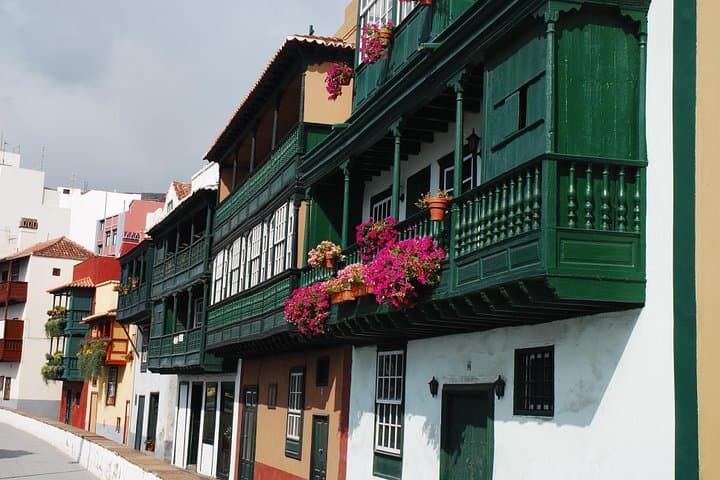


You begin on the rutted coastal ribbon of Santa Cruz de la Palma, engine humming, Atlantic salt pressing at the windows. The road climbs past maritime avenues and terraces, each mirador opening like a page in a field guide: volcanic cliffs, stacked banana plantations, and the deep green of laurel forest framing falls of cloud.
You begin on the rutted coastal ribbon of Santa Cruz de la Palma, engine humming, Atlantic salt pressing at the windows. The road climbs past maritime avenues and terraces, each mirador opening like a page in a field guide: volcanic cliffs, stacked banana plantations, and the deep green of laurel forest framing falls of cloud.
This full‑day loop traces the island’s geological story — volcanic ridges sliced by erosion and ancient laurel remnants that survived the Tertiary. Los Tilos, a primary stop, preserves species that predate human settlement and helped make La Palma one of the Canary Islands’ first Biosphere Reserve. Scattered along the route are small cultural notes: stone hamlets, a colonial-era Casa Luján in Puntallana, and fishing coves where local diets still follow the sea.
Expect a mix of short walks and lookout stops rather than long hikes; the tour is built around viewpoints such as Mirador de El Time and the basalt pools at Charco Azul. Nature will press close — laurel branches brushing railings, ocean breezes urging onward — so you feel the island as a moving landscape rather than a postcard.
Practical guidance: plan for a 7–8 hour day with multiple short stops; bring layered clothing for microclimates, sturdy shoes for uneven viewpoints, sun protection, and a charged camera or binoculars. Facilities are sporadic away from towns, so carry water and snacks. Accessibility is high for most stops, but check in advance if you require specific assistance. The route is private‑vehicle friendly and best enjoyed early or late in the day when light and temperatures are gentler.