THE ADVENTURE COLLECTIVE® · Independent discovery and booking for outdoor travel

From snorkeling clear reefs at Isla Espíritu Santo to watching sea lions and exploring desert ridgelines by 4x4, this full-day La Paz excursion blends marine life encounters with rugged coastal scenery. Guides provide gear, lunch and local insight to make the day accessible for most travelers.
From snorkeling clear reefs at Isla Espíritu Santo to watching sea lions and exploring desert ridgelines by 4x4, this full-day La Paz excursion blends marine life encounters with rugged coastal scenery. Guides provide gear, lunch and local insight to make the day accessible for most travelers.
The morning boat eases away from La Paz’s harbor and the city’s heat gives way to wind and salt. Water flashes beneath the hull; the profile of Isla Espíritu Santo grows sharper—rock faces catching sun, sand hollows promising shallow coves. By mid-morning you’re clipped into a snorkel mask, toes brushing white sand, and a curious California sea lion launches itself nearby as if inspecting the new arrival.
Verified experiences and guided adventures in the surrounding area.
Operated by Ola Adventures · La Paz, Baja California Sur
The morning boat eases away from La Paz’s harbor and the city’s heat gives way to wind and salt. Water flashes beneath the hull; the profile of Isla Espíritu Santo grows sharper—rock faces catching sun, sand hollows promising shallow coves. By mid-morning you’re clipped into a snorkel mask, toes brushing white sand, and a curious California sea lion launches itself nearby as if inspecting the new arrival.
Geology here is blunt and obvious: volcanic and limestone formations carved by tides into islands and steep shoreline. The islands form part of the Gulf of California’s complex ecosystem, long used by indigenous peoples and now protected for its marine life. Culture in La Paz mixes fishing-town practicality with a slow, outdoor pace—markets in the city sell fresh catch, and local guides pass down knowledge of currents, seasonal migrations and safe anchorages.
Expect a balanced day: snorkeling with provided gear in clear, shallow reefs; a guided stop at Los Islotes to observe sea lions; optional kayaking or sport-fishing; and a desert 4x4 run that shows inland rockscapes and hidden washes. Guides emphasize safety—briefings cover tides, reef etiquette and heat management.
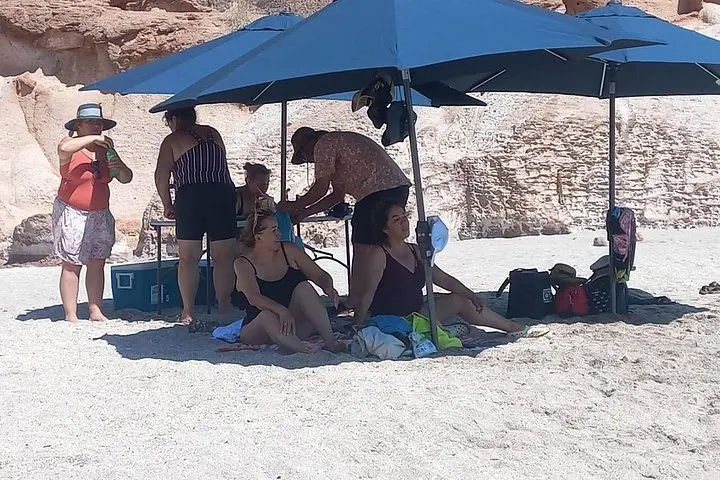
Practicalities: tours run about 6–7 hours and include bottled water and lunch. Bring reef-safe sunscreen, a hat, water shoes and a lightweight layer for the boat ride. Timing matters—morning trips offer calmer seas and better light for snorkeling, while whale watching peaks in winter months. Respect wildlife distances and pack out what you bring; these islands remain fragile and worth protecting.
Basic comfort in the water is recommended for snorkeling, but flotation vests and guide support are provided for less confident swimmers.
Winter months (roughly December–March) are the best time to see humpback whales and other migrating species in the Gulf of California.
Pickup options vary by operator—confirm the meeting or transfer point at booking; public transport access is available near central La Paz.
Yes—tours typically supply masks, snorkels and fins; bring your own if you prefer a personal fit.
Ola Adventures operates guided outdoor trips and adventures with an emphasis on safety, stewardship, and memorable experiences.
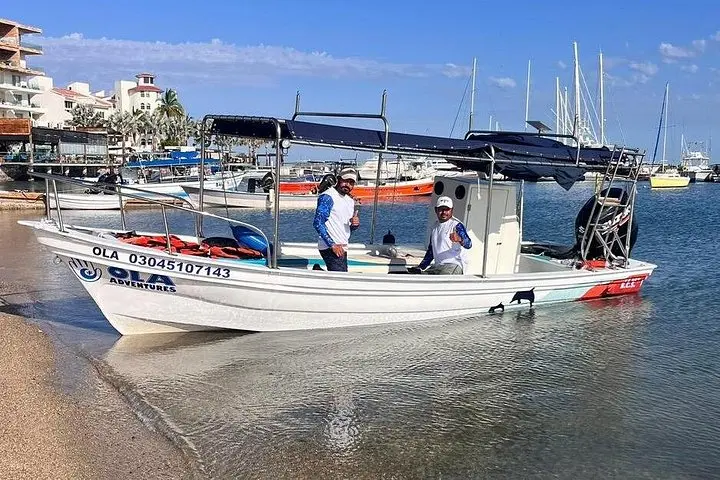
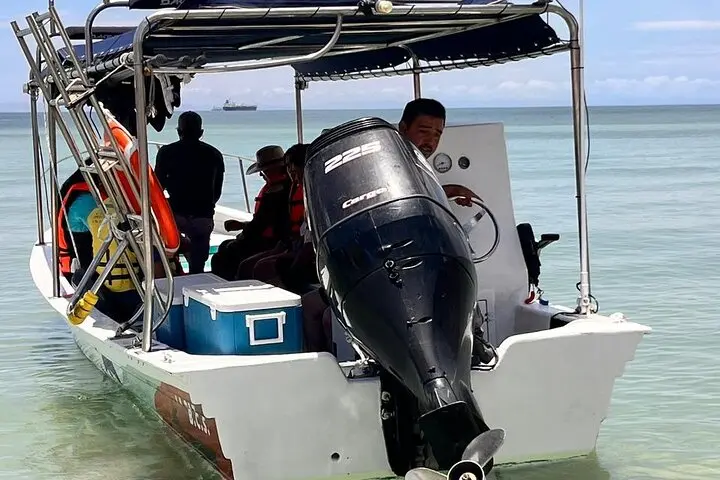
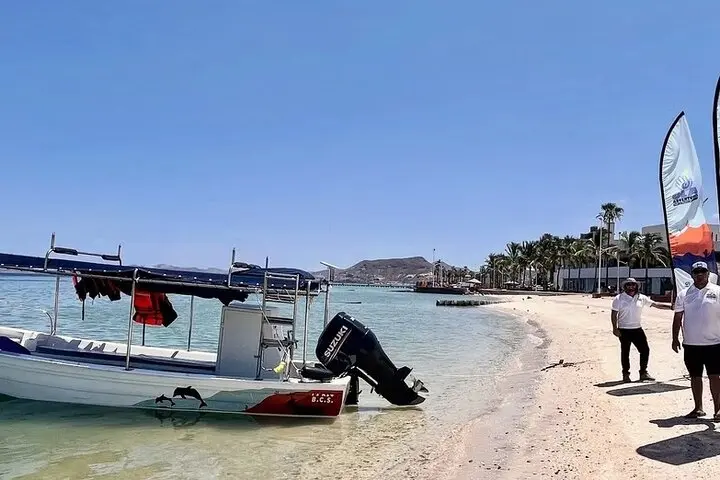
The morning boat eases away from La Paz’s harbor and the city’s heat gives way to wind and salt. Water flashes beneath the hull; the profile of Isla Espíritu Santo grows sharper—rock faces catching sun, sand hollows promising shallow coves. By mid-morning you’re clipped into a snorkel mask, toes brushing white sand, and a curious California sea lion launches itself nearby as if inspecting the new arrival.
The morning boat eases away from La Paz’s harbor and the city’s heat gives way to wind and salt. Water flashes beneath the hull; the profile of Isla Espíritu Santo grows sharper—rock faces catching sun, sand hollows promising shallow coves. By mid-morning you’re clipped into a snorkel mask, toes brushing white sand, and a curious California sea lion launches itself nearby as if inspecting the new arrival.
Geology here is blunt and obvious: volcanic and limestone formations carved by tides into islands and steep shoreline. The islands form part of the Gulf of California’s complex ecosystem, long used by indigenous peoples and now protected for its marine life. Culture in La Paz mixes fishing-town practicality with a slow, outdoor pace—markets in the city sell fresh catch, and local guides pass down knowledge of currents, seasonal migrations and safe anchorages.
Expect a balanced day: snorkeling with provided gear in clear, shallow reefs; a guided stop at Los Islotes to observe sea lions; optional kayaking or sport-fishing; and a desert 4x4 run that shows inland rockscapes and hidden washes. Guides emphasize safety—briefings cover tides, reef etiquette and heat management.
Practicalities: tours run about 6–7 hours and include bottled water and lunch. Bring reef-safe sunscreen, a hat, water shoes and a lightweight layer for the boat ride. Timing matters—morning trips offer calmer seas and better light for snorkeling, while whale watching peaks in winter months. Respect wildlife distances and pack out what you bring; these islands remain fragile and worth protecting.