THE ADVENTURE COLLECTIVE® · Independent discovery and booking for outdoor travel

Ride the Teleférico, walk colonial streets and peer into the sculpted badlands of Moon Valley on a compact three-hour tour of La Paz. Perfect for travelers who want a quick, high-altitude primer on the city’s landscape, culture and geology.
Ride the Teleférico, walk colonial streets and peer into the sculpted badlands of Moon Valley on a compact three-hour tour of La Paz. Perfect for travelers who want a quick, high-altitude primer on the city’s landscape, culture and geology.
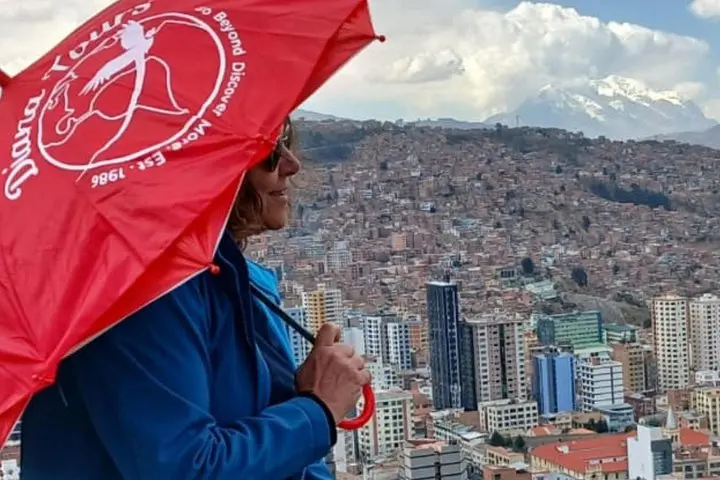
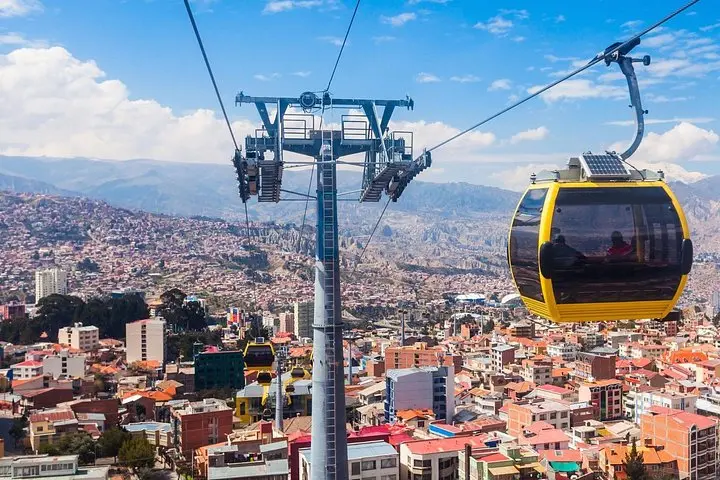
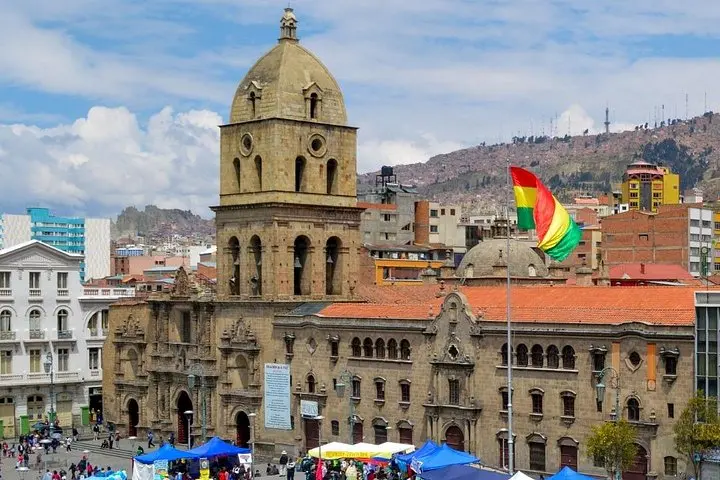
You step out into thin, clear air and the city spreads below—steep streets, color-block houses clinging to hills, and the Teleférico lines slicing the skyline. For the next three hours you move between viewpoints and neighborhoods, trading cobblestones and colonial plazas for suspended cabins that lift you above traffic and toward the jagged bowls of Moon Valley.
Verified experiences and guided adventures in the surrounding area.
Operated by Diana Tours · La Paz, La Paz
You step out into thin, clear air and the city spreads below—steep streets, color-block houses clinging to hills, and the Teleférico lines slicing the skyline. For the next three hours you move between viewpoints and neighborhoods, trading cobblestones and colonial plazas for suspended cabins that lift you above traffic and toward the jagged bowls of Moon Valley.
La Paz grew where Andean culture and Spanish colonial layouts collided: Aymara markets and Catholic cathedrals sit within blocks of each other. The city's geology is immediate—the erosion that carved Valle de la Luna leaves channels and spires of baked clay a short ride from the center, a visible lesson in wind and water working at altitude.
Culturally, expect a cross-section of Bolivia: street vendors selling salteñas and wool, women in bowler hats, and ritual offerings visible at market shrines. Local guides often explain beliefs around Pachamama and the rituals that keep traditions alive.
Practical guidance: acclimatize before the tour—walk slowly, drink water, and avoid heavy exertion in the first 24 hours. Wear sturdy shoes; many stops are uneven or steep. The Teleférico is efficient—tickets are usually included—and provides the best aerial perspective of the city grid carved into a canyon. Photography windows are small in cabins; step aside at stations for longer views.
Timing matters: morning light sharpens the valley’s shapes and afternoons can bring wind and thinner visibility. Keep a warm layer—temperatures swing quickly with elevation and exposure. This short urban adventure balances easy walking with striking high-altitude scenery, giving a compact sense of La Paz’s topography and culture.
Some stops involve uneven ground and short stair sections; the Teleférico stations are accessible but check with the operator in advance for specific assistance.
The tour is short but held at high elevation—mild symptoms are common; hydrate, move slowly and consider acclimatization or medication if you are susceptible.
Cable car tickets are listed as included in the tour's inclusions, but confirm at booking in case of operator policy changes.
Guides commonly speak Spanish and may offer English; confirm language availability when you book if you need English commentary.
Diana Tours operates guided outdoor trips and adventures with an emphasis on safety, stewardship, and memorable experiences.
You step out into thin, clear air and the city spreads below—steep streets, color-block houses clinging to hills, and the Teleférico lines slicing the skyline. For the next three hours you move between viewpoints and neighborhoods, trading cobblestones and colonial plazas for suspended cabins that lift you above traffic and toward the jagged bowls of Moon Valley.
You step out into thin, clear air and the city spreads below—steep streets, color-block houses clinging to hills, and the Teleférico lines slicing the skyline. For the next three hours you move between viewpoints and neighborhoods, trading cobblestones and colonial plazas for suspended cabins that lift you above traffic and toward the jagged bowls of Moon Valley.
La Paz grew where Andean culture and Spanish colonial layouts collided: Aymara markets and Catholic cathedrals sit within blocks of each other. The city's geology is immediate—the erosion that carved Valle de la Luna leaves channels and spires of baked clay a short ride from the center, a visible lesson in wind and water working at altitude.
Culturally, expect a cross-section of Bolivia: street vendors selling salteñas and wool, women in bowler hats, and ritual offerings visible at market shrines. Local guides often explain beliefs around Pachamama and the rituals that keep traditions alive.
Practical guidance: acclimatize before the tour—walk slowly, drink water, and avoid heavy exertion in the first 24 hours. Wear sturdy shoes; many stops are uneven or steep. The Teleférico is efficient—tickets are usually included—and provides the best aerial perspective of the city grid carved into a canyon. Photography windows are small in cabins; step aside at stations for longer views.
Timing matters: morning light sharpens the valley’s shapes and afternoons can bring wind and thinner visibility. Keep a warm layer—temperatures swing quickly with elevation and exposure. This short urban adventure balances easy walking with striking high-altitude scenery, giving a compact sense of La Paz’s topography and culture.