THE ADVENTURE COLLECTIVE® · Independent discovery and booking for outdoor travel

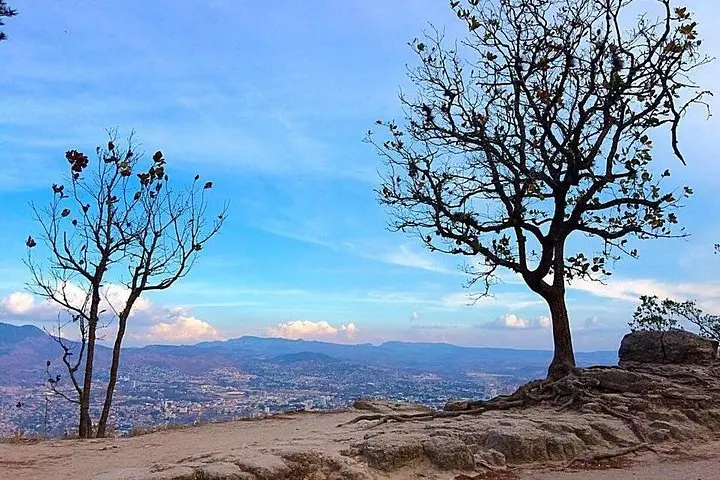
Drive a 4x4 into Honduras’s cloud forest, hike through La Tigra National Park and finish with sweeping city views from El Picacho. This six-hour day trip mixes off-road transfer, waterfalls, and highland flora and fauna close to Tegucigalpa.
Drive a 4x4 into Honduras’s cloud forest, hike through La Tigra National Park and finish with sweeping city views from El Picacho. This six-hour day trip mixes off-road transfer, waterfalls, and highland flora and fauna close to Tegucigalpa.
A morning in the mountains begins with the diesel rumble of a 4x4 and a narrow road that climbs into fog. By the time the vehicle drops you at San Juancito the air has cooled; moss hangs from branches and the trail ahead threads through oak, pine and towering ceibo. La Tigra’s cloud forest presses close—ferns and bromeliads hold beads of mist like slow rain.
Verified experiences and guided adventures in the surrounding area.
Operated by La Tigra Tours · Tegucigalpa, Francisco Morazán
A morning in the mountains begins with the diesel rumble of a 4x4 and a narrow road that climbs into fog. By the time the vehicle drops you at San Juancito the air has cooled; moss hangs from branches and the trail ahead threads through oak, pine and towering ceibo. La Tigra’s cloud forest presses close—ferns and bromeliads hold beads of mist like slow rain.
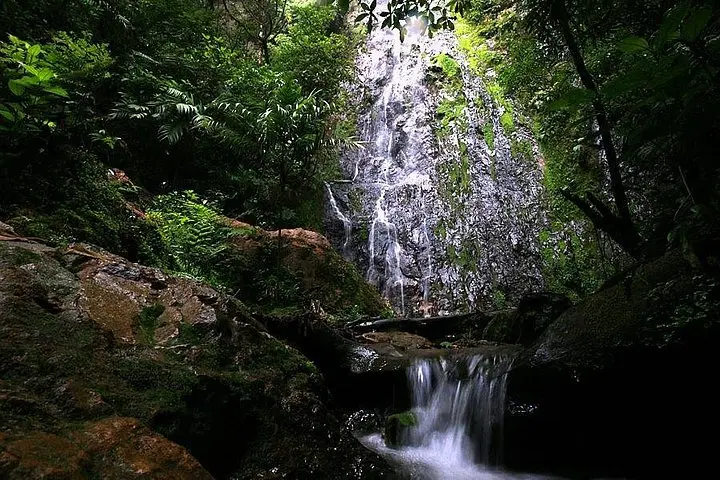
La Tigra was set aside to protect one of Honduras’s closest cloud forests to Tegucigalpa, and its slopes hold both natural and cultural history: remnants of mining-era settlements around San Juancito and the municipal lookout of El Picacho that has watched the valley below for generations. Geologically this range is part of the Central Highlands, with steep ridgelines carved by seasonal streams that form small waterfalls and plunge pools.
Expect trails that are uneven and often root-strewn, with short climbs and slick sections after rain. Wildlife is active—over 200 bird species have been recorded here, and the forest supports amphibians, reptiles and a handful of mammals, including species that use avocado and oak for food.
Practicalities: the full outing runs about six hours with off-road transfers; bring waterproof layers, at least 2 liters of water, sturdy boots and insect protection. Start early to avoid afternoon showers and to give yourself time at El Picacho’s viewpoint. Stay on designated paths, pack out waste, and be prepared for variable temperatures—the forest can be brisk even inside a tropical day.
The tour is approximately six hours and includes hotel pickup, a 4x4 transfer to San Juancito, guide/driver, and admission to both parks.
A moderate level of fitness is required—expect several hours of walking on uneven terrain with short steep sections.
Facilities are limited; use restrooms at trailheads or park entrances before setting out and bring hand sanitizer.
Birdwatchers often see quetzal and many resident and migratory birds; you may also spot amphibians, small mammals and reptiles—observe from a distance.
La Tigra Tours operates guided outdoor trips and adventures with an emphasis on safety, stewardship, and memorable experiences.
A morning in the mountains begins with the diesel rumble of a 4x4 and a narrow road that climbs into fog. By the time the vehicle drops you at San Juancito the air has cooled; moss hangs from branches and the trail ahead threads through oak, pine and towering ceibo. La Tigra’s cloud forest presses close—ferns and bromeliads hold beads of mist like slow rain.
A morning in the mountains begins with the diesel rumble of a 4x4 and a narrow road that climbs into fog. By the time the vehicle drops you at San Juancito the air has cooled; moss hangs from branches and the trail ahead threads through oak, pine and towering ceibo. La Tigra’s cloud forest presses close—ferns and bromeliads hold beads of mist like slow rain.
La Tigra was set aside to protect one of Honduras’s closest cloud forests to Tegucigalpa, and its slopes hold both natural and cultural history: remnants of mining-era settlements around San Juancito and the municipal lookout of El Picacho that has watched the valley below for generations. Geologically this range is part of the Central Highlands, with steep ridgelines carved by seasonal streams that form small waterfalls and plunge pools.
Expect trails that are uneven and often root-strewn, with short climbs and slick sections after rain. Wildlife is active—over 200 bird species have been recorded here, and the forest supports amphibians, reptiles and a handful of mammals, including species that use avocado and oak for food.
Practicalities: the full outing runs about six hours with off-road transfers; bring waterproof layers, at least 2 liters of water, sturdy boots and insect protection. Start early to avoid afternoon showers and to give yourself time at El Picacho’s viewpoint. Stay on designated paths, pack out waste, and be prepared for variable temperatures—the forest can be brisk even inside a tropical day.