THE ADVENTURE COLLECTIVE® · Independent discovery and booking for outdoor travel

Explore Lac Bay’s mangroves with a local guide, watching flamingos and learning how these trees protect Bonaire’s coast. This short, two-hour tour combines wildlife viewing with cultural and geological insights.
Explore Lac Bay’s mangroves with a local guide, watching flamingos and learning how these trees protect Bonaire’s coast. This short, two-hour tour combines wildlife viewing with cultural and geological insights.
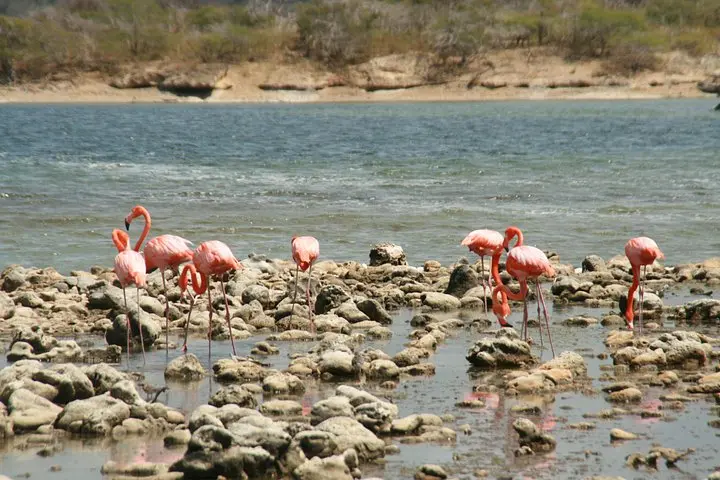
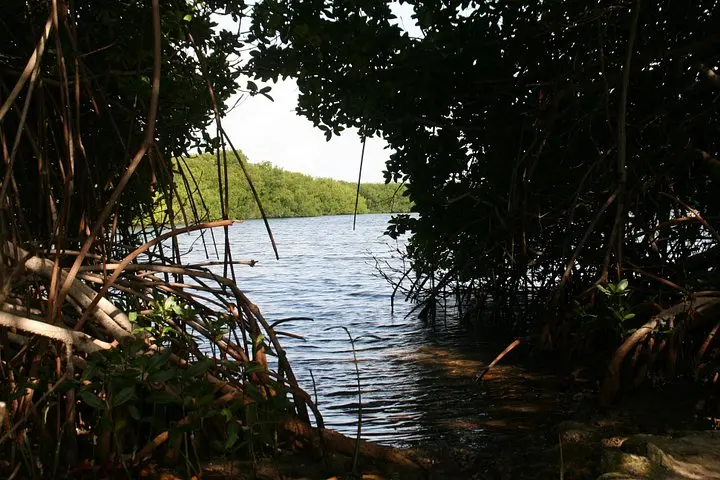
A low, salt-tinted wind pushes across shallow water as the van eases off the coastal road and the mangrove canopy folds over the inlet. Pink flashes — Caribbean flamingos — lift and wheel above a lattice of roots that climb out of the bay like the fingers of the coastline. The guide points out a narrow channel; the mangroves seem to breathe, filtering and moving the sea.
Verified experiences and guided adventures in the surrounding area.
Operated by Shekhinah Tours · Kralendijk, Bonaire
A low, salt-tinted wind pushes across shallow water as the van eases off the coastal road and the mangrove canopy folds over the inlet. Pink flashes — Caribbean flamingos — lift and wheel above a lattice of roots that climb out of the bay like the fingers of the coastline. The guide points out a narrow channel; the mangroves seem to breathe, filtering and moving the sea.
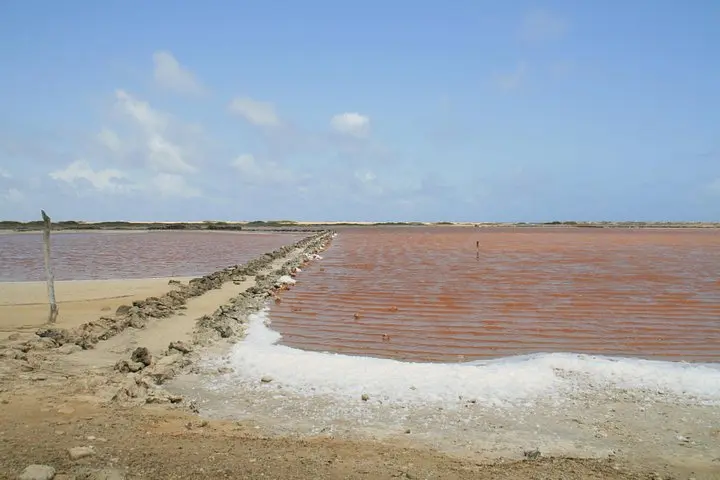
Lac Bay’s mangrove forest is one of the Caribbean’s best-preserved, a living nursery for fish, rays and seahorses. For generations these trees bolstered Bonaire’s fishing culture and supplied material for simple household tools; their tangled roots also blunt storm surge and stabilize the shoreline on a limestone island carved from coral and reef. Local guides weave that natural history into the drive south from Kralendijk, adding cultural context about salt pans and the island’s Dutch-Caribbean mix.
The short, two-hour trip is observation-focused: expect roadside stops, easy strolls on flat ground, and clear photo opportunities of birds and the shallow seafloor. Timing matters — early morning or late afternoon concentrates bird activity and softens the sun.
Practical notes: bring reef-safe sunscreen, plenty of water, insect repellent and a camera with a telephoto or binoculars. Wear breathable sun-protective clothing and stable shoes for walking through sandy parking and boardwalk areas. Respect fenced or roped zones and listen to the guide; the mangroves are fragile and crucial for both wildlife and Bonaire’s coastline.
Wildlife sightings can’t be guaranteed, but Lac Bay and nearby salt flats regularly host Caribbean flamingos; visits during early morning or late afternoon have higher chances.
Yes — the tour is family-friendly; infants must sit on an adult’s lap and strollers are manageable in pick-up and drop-off logistics.
No — this tour is vehicle-based with short, easy walks and viewpoint stops; no boating or paddling skills are required.
Yes — pickup from hotels, apartments and cruise ship docks is included; guides arrive about 15 minutes before the scheduled start time.
Shekhinah Tours operates guided outdoor trips and adventures with an emphasis on safety, stewardship, and memorable experiences.
A low, salt-tinted wind pushes across shallow water as the van eases off the coastal road and the mangrove canopy folds over the inlet. Pink flashes — Caribbean flamingos — lift and wheel above a lattice of roots that climb out of the bay like the fingers of the coastline. The guide points out a narrow channel; the mangroves seem to breathe, filtering and moving the sea.
A low, salt-tinted wind pushes across shallow water as the van eases off the coastal road and the mangrove canopy folds over the inlet. Pink flashes — Caribbean flamingos — lift and wheel above a lattice of roots that climb out of the bay like the fingers of the coastline. The guide points out a narrow channel; the mangroves seem to breathe, filtering and moving the sea.
Lac Bay’s mangrove forest is one of the Caribbean’s best-preserved, a living nursery for fish, rays and seahorses. For generations these trees bolstered Bonaire’s fishing culture and supplied material for simple household tools; their tangled roots also blunt storm surge and stabilize the shoreline on a limestone island carved from coral and reef. Local guides weave that natural history into the drive south from Kralendijk, adding cultural context about salt pans and the island’s Dutch-Caribbean mix.
The short, two-hour trip is observation-focused: expect roadside stops, easy strolls on flat ground, and clear photo opportunities of birds and the shallow seafloor. Timing matters — early morning or late afternoon concentrates bird activity and softens the sun.
Practical notes: bring reef-safe sunscreen, plenty of water, insect repellent and a camera with a telephoto or binoculars. Wear breathable sun-protective clothing and stable shoes for walking through sandy parking and boardwalk areas. Respect fenced or roped zones and listen to the guide; the mangroves are fragile and crucial for both wildlife and Bonaire’s coastline.