THE ADVENTURE COLLECTIVE® · Independent discovery and booking for outdoor travel

Walk Louisville after dark and hear well‑researched stories where history, tragedy, and rumor intersect. This one‑hour guided ghost walk moves through riverfront landmarks, Victorian rows, and haunted museum corners—best for curious adults who can handle eerie, place‑based storytelling.
Walk Louisville after dark and hear well‑researched stories where history, tragedy, and rumor intersect. This one‑hour guided ghost walk moves through riverfront landmarks, Victorian rows, and haunted museum corners—best for curious adults who can handle eerie, place‑based storytelling.
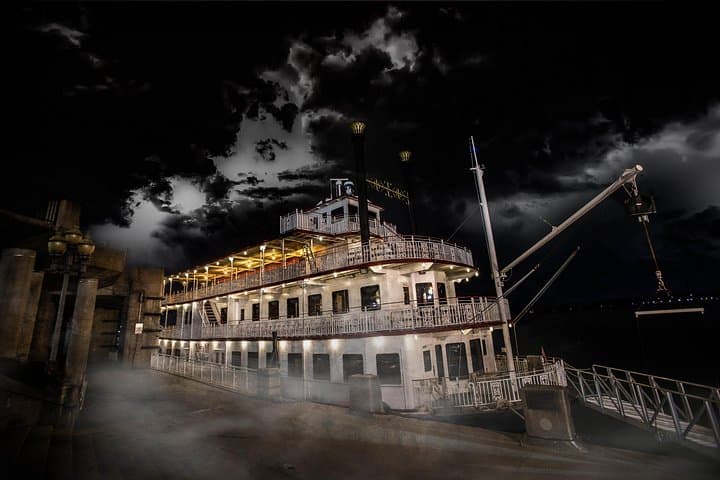
Streetlamps throw long shadows across wet brick as your group fans out beneath the hulking silhouette of an old riverboat. The Ohio River murmurs nearby, daring you to listen closer; cobblestones click underfoot and a guide’s voice threads together fact and folklore.
Verified experiences and guided adventures in the surrounding area.
Operated by Derby City Ghosts by US Ghost Adventures · Louisville, Kentucky
Streetlamps throw long shadows across wet brick as your group fans out beneath the hulking silhouette of an old riverboat. The Ohio River murmurs nearby, daring you to listen closer; cobblestones click underfoot and a guide’s voice threads together fact and folklore.
Louisville’s ghosts arrive from a working-class past — river commerce, bourbon warehouses, tobacco fortunes and Victorian ambition. The tour traces landmarks where history left unfinished business: George Rogers Clark’s statue (where temperature drops are often reported), the Mary M. Miller riverboat (remembered for America’s first licensed female steamboat captain), and a converted 19th‑century warehouse now housing the 21c Museum and Hotel. The geology is simple urban sediment along the Ohio’s floodplain, but the city’s built fabric — brick, cast iron, and mansard roofs — sets the scene for stories of loss and lingering presence.
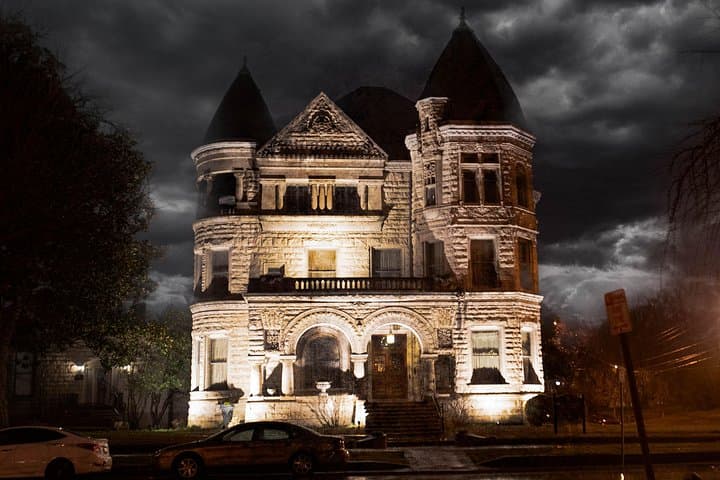
Expect a one‑hour walking loop on paved streets and occasional steps, with stops at small museums, a twisted “witches’ tree,” and a few private‑property frontages where guides share well‑researched accounts and eyewitness reports. Guides balance historical context with theatricality; it’s part history walk, part storytelling performance.
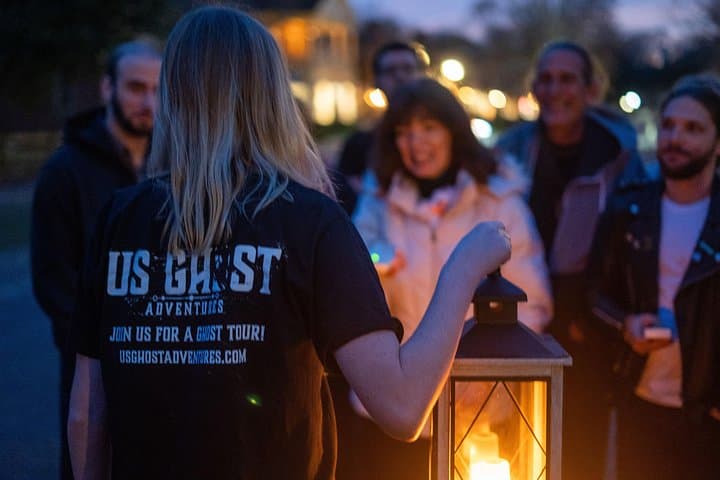
Practical notes: dress for standing and uneven sidewalks, bring a small light for dim alleys, and arrive early to find the meeting point. Tours run year‑round—cold nights intensify atmospheres, and summer humidity makes crowds sticky. Respect private properties and residents; photography policies vary at indoor stops. Ideal for curious adults and teens comfortable with dark themes, the tour gives a grounded, atmospheric way to read Louisville’s past by lantern light.
The tour lasts about one hour and covers roughly 1–1.5 miles on paved streets with several short stops.
Families are welcome but stories can be mature; consider age and sensitivity—teens and older children usually enjoy the experience.
The route includes uneven brick and steps; it’s not fully wheelchair accessible—contact the operator about accommodations before booking.
Outdoor photography is generally fine; interior or museum policies vary, so follow guide directions at each stop.
Derby City Ghosts by US Ghost Adventures operates guided outdoor trips and adventures with an emphasis on safety, stewardship, and memorable experiences.

Streetlamps throw long shadows across wet brick as your group fans out beneath the hulking silhouette of an old riverboat. The Ohio River murmurs nearby, daring you to listen closer; cobblestones click underfoot and a guide’s voice threads together fact and folklore.
Streetlamps throw long shadows across wet brick as your group fans out beneath the hulking silhouette of an old riverboat. The Ohio River murmurs nearby, daring you to listen closer; cobblestones click underfoot and a guide’s voice threads together fact and folklore.
Louisville’s ghosts arrive from a working-class past — river commerce, bourbon warehouses, tobacco fortunes and Victorian ambition. The tour traces landmarks where history left unfinished business: George Rogers Clark’s statue (where temperature drops are often reported), the Mary M. Miller riverboat (remembered for America’s first licensed female steamboat captain), and a converted 19th‑century warehouse now housing the 21c Museum and Hotel. The geology is simple urban sediment along the Ohio’s floodplain, but the city’s built fabric — brick, cast iron, and mansard roofs — sets the scene for stories of loss and lingering presence.
Expect a one‑hour walking loop on paved streets and occasional steps, with stops at small museums, a twisted “witches’ tree,” and a few private‑property frontages where guides share well‑researched accounts and eyewitness reports. Guides balance historical context with theatricality; it’s part history walk, part storytelling performance.
Practical notes: dress for standing and uneven sidewalks, bring a small light for dim alleys, and arrive early to find the meeting point. Tours run year‑round—cold nights intensify atmospheres, and summer humidity makes crowds sticky. Respect private properties and residents; photography policies vary at indoor stops. Ideal for curious adults and teens comfortable with dark themes, the tour gives a grounded, atmospheric way to read Louisville’s past by lantern light.