THE ADVENTURE COLLECTIVE® · Independent discovery and booking for outdoor travel

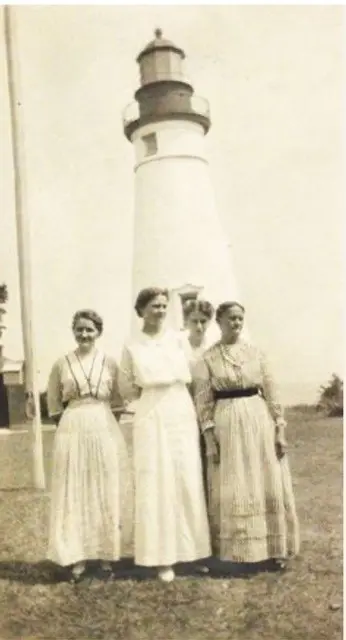
Explore the untold stories of female lighthouse keepers, from Cape Henry’s three keepers to Ida Lewis. This concise, archival-rich virtual talk examines daily life, payment records, and the broader labor history of America’s beacons.
Explore the untold stories of female lighthouse keepers, from Cape Henry’s three keepers to Ida Lewis. This concise, archival-rich virtual talk examines daily life, payment records, and the broader labor history of America’s beacons.
Book with Preservation Virginia
Verified experiences and guided adventures in the surrounding area.
Operated by Preservation Virginia · Richmond, Virginia
The Lady Lightkeepers Virtual Program brings maritime history to your screen, opening a rare window onto the lives of women who ran America’s coastal beacons. Presented by Preservation Virginia, this online lecture traces the work of three female lightkeepers at Cape Henry alongside the famous Ida Lewis—namesake of the Ida Lewis Rock light—and uses employment records to examine how pay and labor shaped the profession. The program is framed as a short, affordable entry point into a larger archive: general admission is $5 and Preservation Virginia members attend free. Because the program is virtual, the experience moves between primary documents, photographs of steel-and-brick towers, and mapped coastlines rather than a single trail or vista. Key features include the Cape Henry keepers and the Ida Lewis Rock lighthouse; you’ll encounter structural details like iron lantern rooms, granite foundations, and tide-carved shoals that defined a keeper’s daily work. Presenters place those material features beside human stories—rigorous maintenance, overnight watch, and the persistent campaign for equal pay—to connect physical labor to policy and personality. This session suits anyone fascinated by coastal engineering, maritime labor history, or gendered stories of public service. It also makes a tidy companion to lighthouse visits: viewers often come away wanting to plan an on-site walk around a base, to compare archival logbooks to the weathered paint and slow erosion visible from public overlooks. Practical notes: the talk is accessible online and requires only an internet connection; the program’s length is concise and focused on archival evidence rather than lengthy textbook exposition. It’s especially useful for teachers assembling primary-source lessons, local historians, and armchair travelers who want a concrete way to support heritage preservation without a long trip. The program’s examination of pay equality gives it contemporary relevance, reframing lighthouse keepers as laborers whose work shaped coastal communities. As a local touchstone, Preservation Virginia’s program builds bridges between public audiences and stored records—offering a clear model for how small historical organizations use digital tools to expand access. If you enjoy history with a physical anchor—lighthouses, rock ledges, lantern rooms, and a social edge, the Lady Lightkeepers Virtual Program is an efficient, thought-provoking way to put maritime labor into view. Book through the event page to join the next session and to help sustain the organization’s archival work. The session includes a guided tour of digitized logbooks, pay ledgers, and photographs, with presenters highlighting notable entries and explaining how researchers read nineteenth-century handwriting. Expect a short live Q&A and resources for further reading—documents viewers can consult after the talk. Whether you’re mapping family histories or seeking concrete classroom sources, this program turns archival fragments into clear stories and helps fund ongoing conservation of coastal sites and their records. Sign up.
Register through the event page using the referral link; you’ll receive a confirmation email with streaming instructions.
Plan for a 45–75 minute session that includes presentation time and a short live Q&A.
General admission helps fund Preservation Virginia’s programs and digital access to archival materials; members attend free.
Yes—older children and teens interested in history can follow along, though content focuses on archival records and labor history.
Recording availability varies; check the event listing or contact Preservation Virginia for access to recordings or follow-up materials.
Yes—there is typically a short live Q&A where presenters respond to audience questions about sources and research.
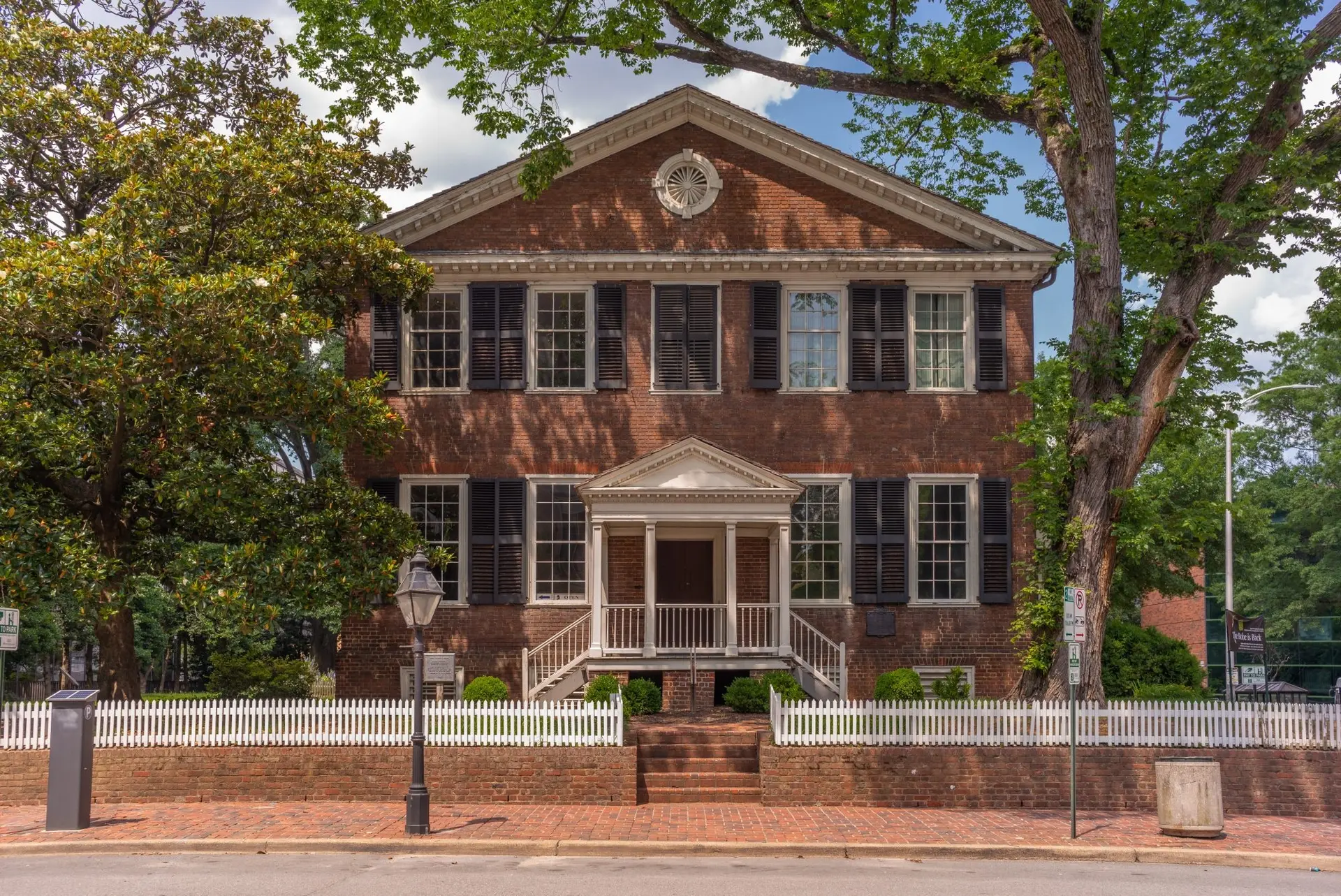
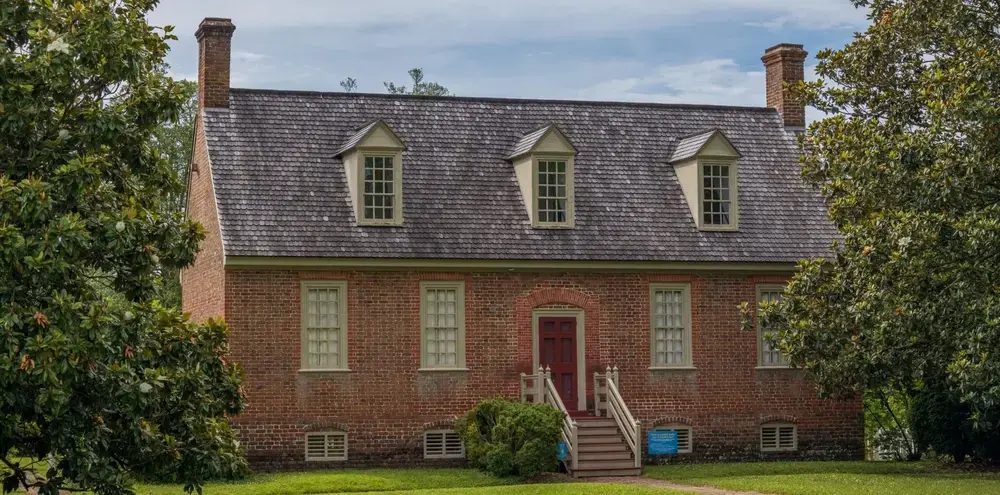
Preservation Virginia is a Richmond, Virginia-based organization that operates and interprets historic sites and educational programs across the state. The organization presents guided tours, hands-on workshops, documentary-style tours, and virtual programs that highlight Virginia’s colonial, revolutionary, and 19th-century history. Preservation Virginia’s portfolio of sites and programs includes Bacon’s Castle (built in 1665 and recognized as North America’s oldest brick home), the historic landing site at Cape Henry Lighthouse, Smith’s Fort with surviving earthworks and an 18th-century manor house, Patrick Henry’s Scotchtown—the remaining house of the famed orator—and the John Marshall House in Richmond. Programming spans in-person tours and remote learning: the John Marshall House offers a 45-minute tour; the Courtmaker Documentary Tour of the Marshall House provides an intimate look at family artifacts; the Beginners Genealogy Research Workshop at Bacon’s Castle is taught by genealogist Sarah Carson; and multiple virtual programs bring lighthouse history and Revolutionary War sea battles to students. Educational offerings also include the Augustus Hodges virtual program, focused on Willis Hodges—Cape Henry Lighthouse’s first African American keeper and abolitionist—and the Life of a Lighthouse Keeper kids program. Preservation Virginia’s events and tours emphasize primary sources, artifacts, architecture, and site-specific stories to connect visitors with Virginia’s past. All descriptions and program leaders are provided in third-person; visitors should consult Preservation Virginia’s official listings for booking and availability.
Book with Preservation Virginia