
Laguna 69 Day Hike: Cordillera Blanca Trek from Huaraz
A full-day trek from Huaraz into the Llanganuco Valley, Laguna 69 delivers a high-alpine turquoise lake framed by Huascarán and neighboring giants. Expect steep, rocky trail, dramatic views and altitude to be the main challenge.
An Adventure In Huaraz.
A full-day trek from Huaraz into the Llanganuco Valley, Laguna 69 delivers a high-alpine turquoise lake framed by Huascarán and neighboring giants. Expect steep, rocky trail, dramatic views and altitude to be the main challenge.
Read the full experience
Before dawn the bus peels out of Huaraz and the road climbs into the ribbed light of the Cordillera Blanca. You feel the air thin as towns — Tarica, Carhuaz, Yungay — slip behind; by the time Cebollapampa appears the valley narrows, glaciers towering like white-shouldered guardians. The trail up to Laguna 69 is immediate: steep switchbacks, rocky steps, alpine grass and intermittent streams that dare you to move faster.
Before dawn the bus peels out of Huaraz and the road climbs into the ribbed light of the Cordillera Blanca. You feel the air thin as towns — Tarica, Carhuaz, Yungay — slip behind; by the time Cebollapampa appears the valley narrows, glaciers towering like white-shouldered guardians. The trail up to Laguna 69 is immediate: steep switchbacks, rocky steps, alpine grass and intermittent streams that dare you to move faster.
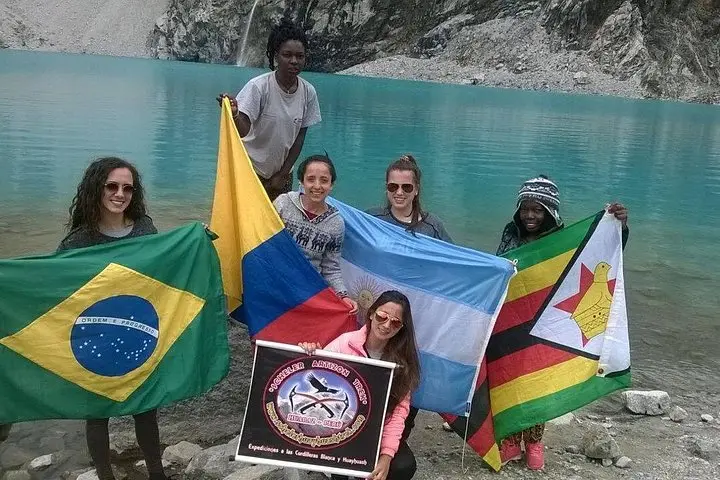
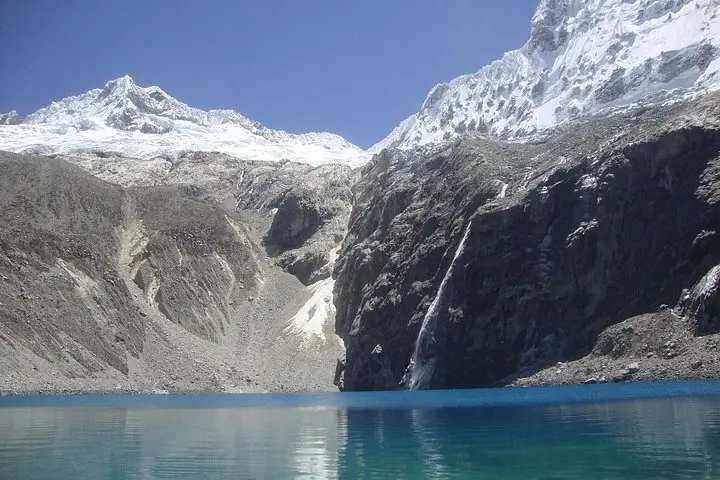
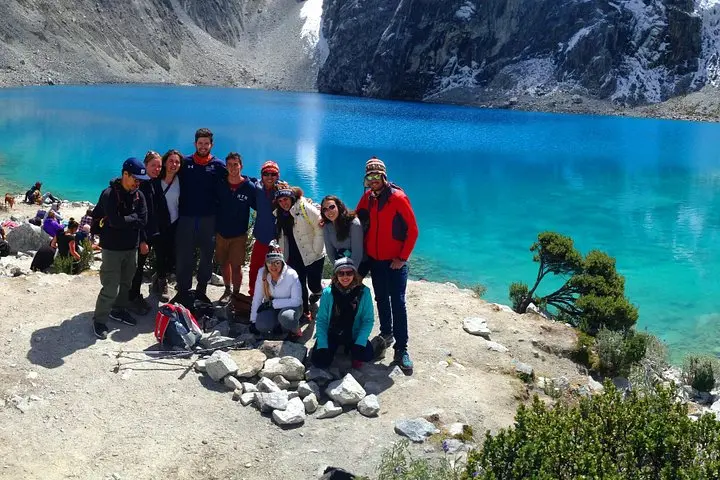
Geology here is blunt and recent. Laguna 69 sits in a glacial cirque, a turquoise bowl held by moraines and fed by melt from Huascarán, Chopicalqui, Pisco and Huandoy. The color comes from fine rock flour suspended in cold meltwater—an effect you see in other high-Andean lakes, but never exactly the same.
Culturally the valley is Quechua country; shepherds graze in summer and small communities historically moved livestock between pastures. The route runs through Huascarán National Park, an area protected since the 1970s for its unique glaciers and biodiversity.
Practical guidance: start very early to avoid afternoon weather and secure a park entrance at Llanganuco. Expect 3–4 hours of up-and-down hiking round-trip on well-worn but steep terrain; altitude is the real challenge. Dress in layers, carry 2–3 L of water, sun protection and a light shell for sudden winds. Photography windows open on clear mornings when the lake mirrors the peaks; in cloud or flurries the mood is raw and immediate.
The hike rewards with panoramic exposure to big-peak Andes and a compact, high-alpine lake that feels earned after each step. Plan your acclimatization in Huaraz and leave no trace—these glaciers are retreating faster than the trail descends.
Frequently asked questions
The typical walking time is about 3–4 hours round-trip on the marked trail, with additional time for photography and rest.
A guide isn't mandatory for experienced hikers, but many tours include one for logistics, park entry and local knowledge—helpful at high altitude.
Yes—Huascarán National Park has an entrance fee collected at Llanganuco or main park gates; tour operators often include this in the price.
Dry season (May–September) offers the most stable weather and clearer views; afternoons can still form clouds, so an early start is recommended.
About This Experience
Scheler Artizon Trek operates guided outdoor trips and adventures with an emphasis on safety, stewardship, and memorable experiences.
Adventure tips
Recommended gear
- Sturdy hiking boots: Provide ankle support and traction on steep, rocky sections.
- Insulating mid-layer: Temperatures change rapidly—a fleece or light down keeps you warm at the lake.
- Sun protection (hat, sunscreen, sunglasses): High-altitude UV is intense even on cool days; protect skin and eyes.
- 2–3 liters water reservoir: Reliable hydration for the climb; potable water sources are limited.
Photos of the experience
Related adventures & guides
Read the full experience
Before dawn the bus peels out of Huaraz and the road climbs into the ribbed light of the Cordillera Blanca. You feel the air thin as towns — Tarica, Carhuaz, Yungay — slip behind; by the time Cebollapampa appears the valley narrows, glaciers towering like white-shouldered guardians. The trail up to Laguna 69 is immediate: steep switchbacks, rocky steps, alpine grass and intermittent streams that dare you to move faster.
Before dawn the bus peels out of Huaraz and the road climbs into the ribbed light of the Cordillera Blanca. You feel the air thin as towns — Tarica, Carhuaz, Yungay — slip behind; by the time Cebollapampa appears the valley narrows, glaciers towering like white-shouldered guardians. The trail up to Laguna 69 is immediate: steep switchbacks, rocky steps, alpine grass and intermittent streams that dare you to move faster.
Geology here is blunt and recent. Laguna 69 sits in a glacial cirque, a turquoise bowl held by moraines and fed by melt from Huascarán, Chopicalqui, Pisco and Huandoy. The color comes from fine rock flour suspended in cold meltwater—an effect you see in other high-Andean lakes, but never exactly the same.
Culturally the valley is Quechua country; shepherds graze in summer and small communities historically moved livestock between pastures. The route runs through Huascarán National Park, an area protected since the 1970s for its unique glaciers and biodiversity.
Practical guidance: start very early to avoid afternoon weather and secure a park entrance at Llanganuco. Expect 3–4 hours of up-and-down hiking round-trip on well-worn but steep terrain; altitude is the real challenge. Dress in layers, carry 2–3 L of water, sun protection and a light shell for sudden winds. Photography windows open on clear mornings when the lake mirrors the peaks; in cloud or flurries the mood is raw and immediate.
The hike rewards with panoramic exposure to big-peak Andes and a compact, high-alpine lake that feels earned after each step. Plan your acclimatization in Huaraz and leave no trace—these glaciers are retreating faster than the trail descends.
Make a day of it nearby.
Verified experiences and guided adventures in the surrounding area.