
Laguna Humantay Full-Day Trail: High-Altitude Hike to the Turquoise Lake
A brisk, high-altitude ascent from Soraypampa rewards hikers with a striking turquoise lake framed by Salkantay’s snowfields. This full-day excursion blends cultural stops, steep alpine trail, and a short but demanding climb to Humantay’s rim.
An Adventure In Cusco.
A brisk, high-altitude ascent from Soraypampa rewards hikers with a striking turquoise lake framed by Salkantay’s snowfields. This full-day excursion blends cultural stops, steep alpine trail, and a short but demanding climb to Humantay’s rim.
Read the full experience
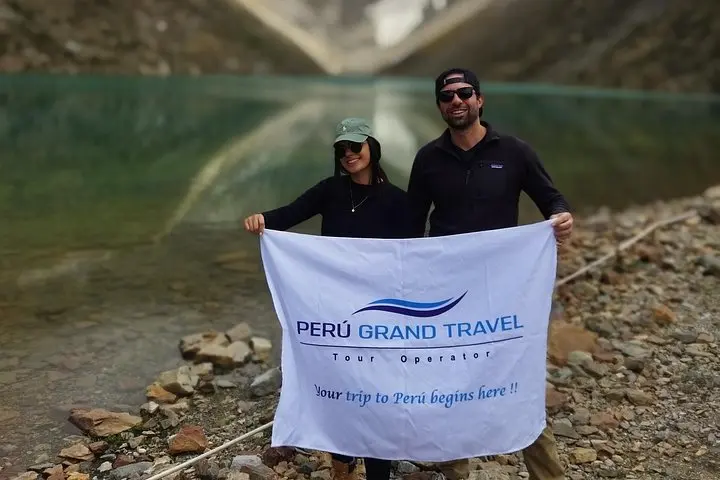
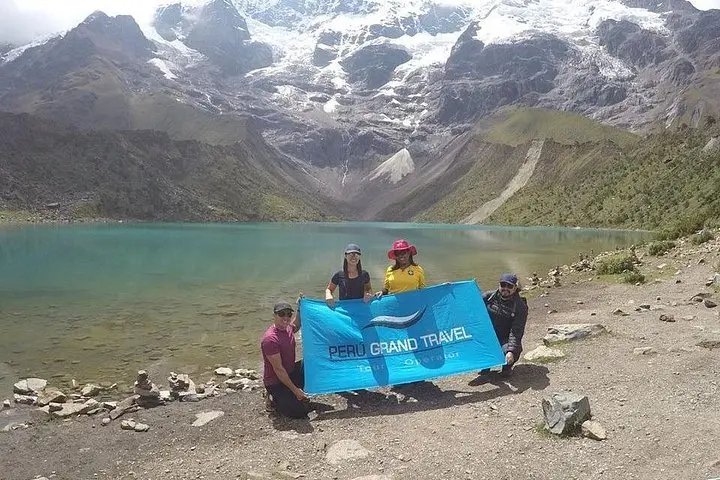
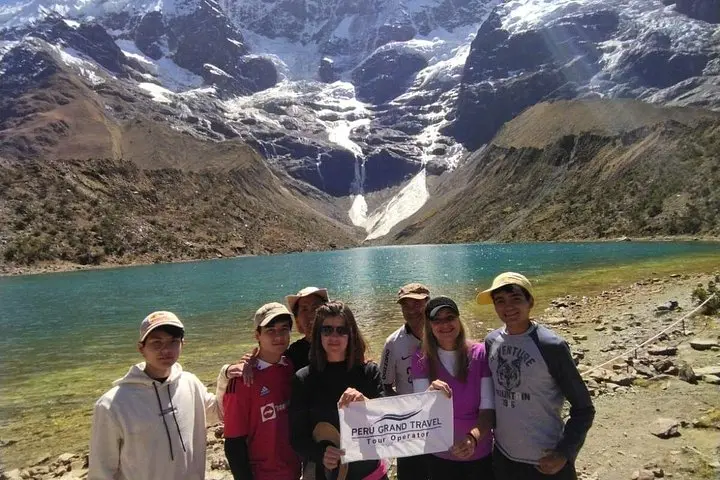
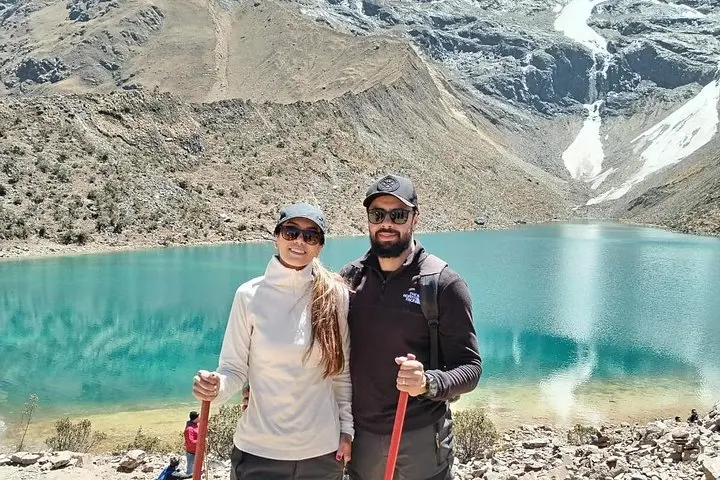
You step out of the van into thin, cold air and a pale light that sharpens every ridge. Soraypampa parking lot opens onto a skeletal landscape where wind-edged tussocks and moraine direct your steps upward, and the silhouette of Humantay and Salkantay loom like old, slow gods. The trail climbs steadily—switchbacks, loose rock, the occasional muddy patch—until the lake appears: a bright turquoise bowl cupped against a band of glacial ice.
You step out of the van into thin, cold air and a pale light that sharpens every ridge. Soraypampa parking lot opens onto a skeletal landscape where wind-edged tussocks and moraine direct your steps upward, and the silhouette of Humantay and Salkantay loom like old, slow gods. The trail climbs steadily—switchbacks, loose rock, the occasional muddy patch—until the lake appears: a bright turquoise bowl cupped against a band of glacial ice.
The Humantay basin sits on the eastern flank of the Salkantay massif, formed by Pleistocene glacial carving and recent moraine deposits. The local Quechua communities historically treated high mountain lakes as apus (sacred mountain spirits); the route passes through grazing pastures and small hamlets like Mollepata where Andean culture and hospitality remain visible.
Expect a compact, high-altitude hike: roughly 6 km round-trip with about 400–450 m (1,300–1,500 ft) of elevation gain, starting near 3,900 m and topping out around 4,200–4,300 m. Terrain is steep and rocky, with short steep pitches that test the lungs more than the legs.
Practical essentials: acclimatize in Cusco for 48+ hours, use layers for rapidly changing weather, carry sun protection and at least 2 liters of water, and consider trekking poles for stability. Guided groups often include snacks, entrance fee, and transport to Soraypampa; plan on a full day (10–14 hours total including transfers). Move deliberately, watch for altitude symptoms, and leave no trace—the lake’s color and the exposed skyline are best preserved by careful visitors.
Frequently asked questions
The trail is roughly 6 km round-trip with a typical ascent time of 1.5–2 hours and descent about 1–1.5 hours, depending on fitness and altitude effects.
Yes—because the trail reaches over 4,200 m, spend at least 48 hours in Cusco doing light activity to lower the risk of altitude sickness.
Local operators sometimes offer horses for portions of the climb for an extra fee, but availability varies and animals may struggle on steeper sections.
Not recommended for pregnant travelers or those with serious cardiovascular/spinal conditions; children used to high-altitude hikes may manage but should be monitored closely.
About This Experience
Peru Grand Travel operates guided outdoor trips and adventures with an emphasis on safety, stewardship, and memorable experiences.
Adventure tips
Recommended gear
- Insulating mid-layer (fleece/down): High winds and rapid temperature drops make a warm mid-layer essential at the lake.
- Trekking poles: Provide stability on steep, rocky slopes and reduce impact on knees during descent.
- Sunglasses and high-SPF sunscreen: Protects against intense alpine UV reflected off ice and water.
- Sturdy hiking boots (water-resistant): Good traction and ankle support are important on loose moraine and uneven trail.
Photos of the experience
Related adventures & guides
Read the full experience
You step out of the van into thin, cold air and a pale light that sharpens every ridge. Soraypampa parking lot opens onto a skeletal landscape where wind-edged tussocks and moraine direct your steps upward, and the silhouette of Humantay and Salkantay loom like old, slow gods. The trail climbs steadily—switchbacks, loose rock, the occasional muddy patch—until the lake appears: a bright turquoise bowl cupped against a band of glacial ice.
You step out of the van into thin, cold air and a pale light that sharpens every ridge. Soraypampa parking lot opens onto a skeletal landscape where wind-edged tussocks and moraine direct your steps upward, and the silhouette of Humantay and Salkantay loom like old, slow gods. The trail climbs steadily—switchbacks, loose rock, the occasional muddy patch—until the lake appears: a bright turquoise bowl cupped against a band of glacial ice.
The Humantay basin sits on the eastern flank of the Salkantay massif, formed by Pleistocene glacial carving and recent moraine deposits. The local Quechua communities historically treated high mountain lakes as apus (sacred mountain spirits); the route passes through grazing pastures and small hamlets like Mollepata where Andean culture and hospitality remain visible.
Expect a compact, high-altitude hike: roughly 6 km round-trip with about 400–450 m (1,300–1,500 ft) of elevation gain, starting near 3,900 m and topping out around 4,200–4,300 m. Terrain is steep and rocky, with short steep pitches that test the lungs more than the legs.
Practical essentials: acclimatize in Cusco for 48+ hours, use layers for rapidly changing weather, carry sun protection and at least 2 liters of water, and consider trekking poles for stability. Guided groups often include snacks, entrance fee, and transport to Soraypampa; plan on a full day (10–14 hours total including transfers). Move deliberately, watch for altitude symptoms, and leave no trace—the lake’s color and the exposed skyline are best preserved by careful visitors.
Make a day of it nearby.
Verified experiences and guided adventures in the surrounding area.