THE ADVENTURE COLLECTIVE® · Independent discovery and booking for outdoor travel

Escape Tallinn for a full-day journey through Lahemaa National Park—home to Jägala Waterfall, historic manors and coastal bogs. This guided tour mixes gentle walks with cultural stops and dramatic shorelines, all within a day trip of the city.
Escape Tallinn for a full-day journey through Lahemaa National Park—home to Jägala Waterfall, historic manors and coastal bogs. This guided tour mixes gentle walks with cultural stops and dramatic shorelines, all within a day trip of the city.
Step off Tallinn’s cobblestones and into a landscape that shifts from rushing water to peat-thick bogs in under an hour.
Verified experiences and guided adventures in the surrounding area.
Operated by taxiGo DMC · Palmse, Harju County
Step off Tallinn’s cobblestones and into a landscape that shifts from rushing water to peat-thick bogs in under an hour.
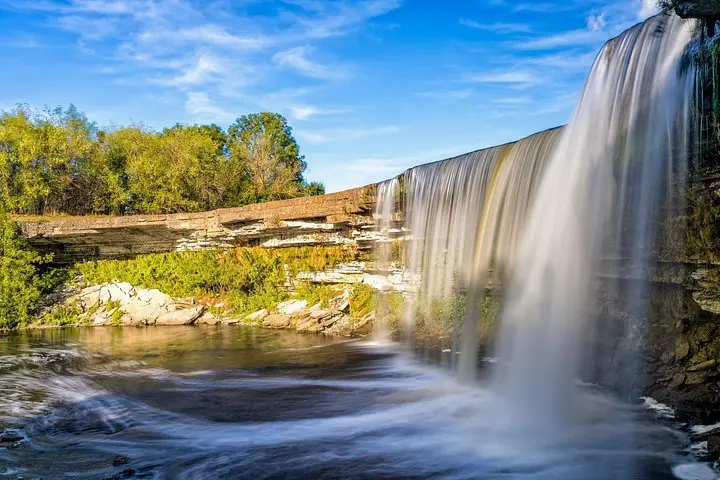
You arrive first at Jägala Waterfall, where the river pushes itself over limestone ledges and the spray cools the air. The guide’s voice threads local lore into the scene—how the park’s name, Lahemaa, means “land of bays,” and how these shores and forests shaped coastal livelihoods for centuries.
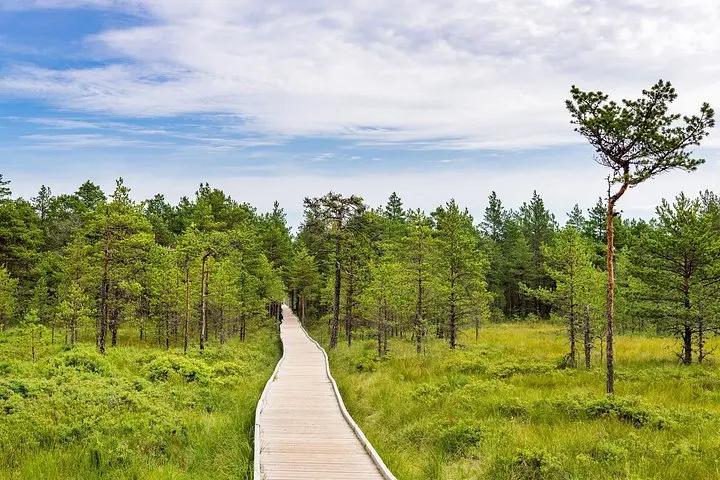
Geologically, Lahemaa is a mix of post-glacial coastlines, moraine ridges and extensive peatlands; Viru Bog’s raised boardwalk reveals layers of sphagnum and preserved plant matter that have built up since the Ice Age. Culturally, estates like Palmse and Sagadi speak to Baltic German manor life and rural estate farming, now reinterpreted through exhibits and restored grounds.
The day also moves to small fishing villages—Altja or Käsmu—where wooden boathouses and shoreline tracks give a sense of working-coast life. Wildlife sightings are discreet: roe deer at forest edges or migratory birds along the bays; bring binoculars and patience.
Practical guidance: this is a full 9-hour day with several short walks (boardwalks, manor grounds, light trails). Dress in layers and wear waterproof footwear—bog boardwalks can be wet and coastal winds demand a wind layer. Bring water, snacks, and a charged phone for photos; lunch is at a local tavern (not included). If you travel between May and September expect longer daylight and more active village life; winter visits reward quiet frozen shores but require winter gear.
This itinerary balances nature, history and accessible hiking—ideal for travelers wanting a compact, varied taste of Estonia’s wild and cultural landscapes.
The tour is approximately 9 hours with several short, guided walks at sites like Jägala Waterfall, manors and Viru Bog—none of the walks are long but surfaces can be uneven.
Manor house exhibitions may require an additional fee; the itinerary includes visits to the grounds and exterior areas but museum entry is often optional and paid separately.
Yes—infant seats and family-friendly pacing are available; confirm ages at booking and note any special requirements.
Lunch is not included; the tour stops at a local tavern where you can buy a meal, but bringing snacks and water is recommended.
taxiGo DMC operates guided outdoor trips and adventures with an emphasis on safety, stewardship, and memorable experiences.

Step off Tallinn’s cobblestones and into a landscape that shifts from rushing water to peat-thick bogs in under an hour.
Step off Tallinn’s cobblestones and into a landscape that shifts from rushing water to peat-thick bogs in under an hour.
You arrive first at Jägala Waterfall, where the river pushes itself over limestone ledges and the spray cools the air. The guide’s voice threads local lore into the scene—how the park’s name, Lahemaa, means “land of bays,” and how these shores and forests shaped coastal livelihoods for centuries.
Geologically, Lahemaa is a mix of post-glacial coastlines, moraine ridges and extensive peatlands; Viru Bog’s raised boardwalk reveals layers of sphagnum and preserved plant matter that have built up since the Ice Age. Culturally, estates like Palmse and Sagadi speak to Baltic German manor life and rural estate farming, now reinterpreted through exhibits and restored grounds.
The day also moves to small fishing villages—Altja or Käsmu—where wooden boathouses and shoreline tracks give a sense of working-coast life. Wildlife sightings are discreet: roe deer at forest edges or migratory birds along the bays; bring binoculars and patience.
Practical guidance: this is a full 9-hour day with several short walks (boardwalks, manor grounds, light trails). Dress in layers and wear waterproof footwear—bog boardwalks can be wet and coastal winds demand a wind layer. Bring water, snacks, and a charged phone for photos; lunch is at a local tavern (not included). If you travel between May and September expect longer daylight and more active village life; winter visits reward quiet frozen shores but require winter gear.
This itinerary balances nature, history and accessible hiking—ideal for travelers wanting a compact, varied taste of Estonia’s wild and cultural landscapes.