THE ADVENTURE COLLECTIVE® · Independent discovery and booking for outdoor travel

A private five‑day pilgrimage through West Punjab visiting fourteen gurdwaras from Lahore to Kartarpur. Expect intimate langar meals, architectural highlights, and calm coach transfers between historic sites.
A private five‑day pilgrimage through West Punjab visiting fourteen gurdwaras from Lahore to Kartarpur. Expect intimate langar meals, architectural highlights, and calm coach transfers between historic sites.
Morning light over Lahore unfurls against red sandstone and marble domes as a private coach threads through city streets toward the first gurdwara on the itinerary. You step from the bus into slow ritual—footsteps softened by stone, hymns rising and the scent of simmering dal from the langar—each shrine inviting steady, reflective movement rather than haste.
Verified experiences and guided adventures in the surrounding area.
Operated by BARBIL TOURS · Lahore, Punjab
Morning light over Lahore unfurls against red sandstone and marble domes as a private coach threads through city streets toward the first gurdwara on the itinerary. You step from the bus into slow ritual—footsteps softened by stone, hymns rising and the scent of simmering dal from the langar—each shrine inviting steady, reflective movement rather than haste.
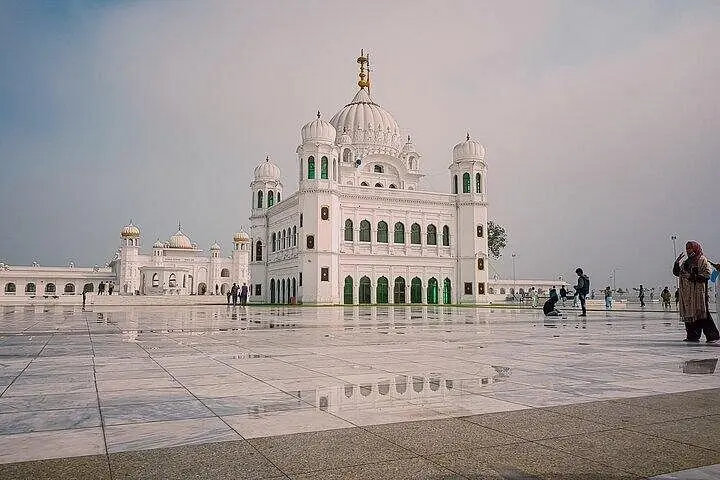
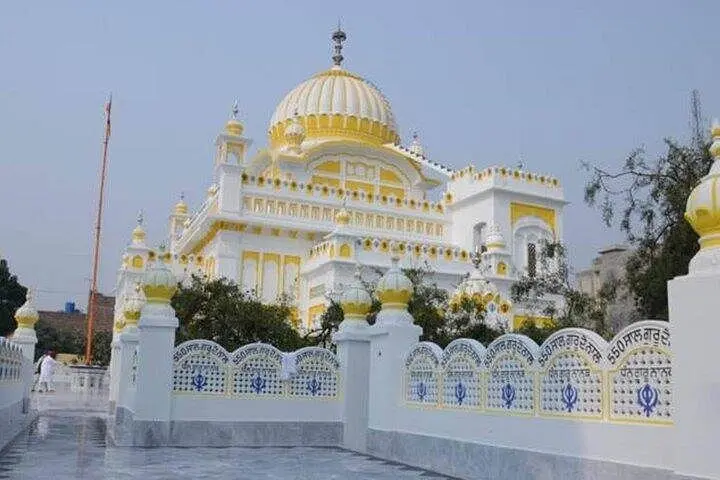
This five‑day route visits fourteen gurdwaras across West Punjab, including Nankana Sahib (Guru Nanak’s birthplace), Kartarpur Sahib (the Darbar Sahib and Kartarpur Corridor), Panja Sahib at Hasan Abdal, and key Lahore and Rawalpindi sites. The landscapes are low plains carved long ago by the Ravi and Chenab rivers; the region’s history is layered—Sikh, Mughal, and British-era architecture side by side with modern neighborhoods.
Culturally the trip centers on pilgrimage practices: shared langar, continuous scripture readings, and careful site stewardship by local committees. Guides typically explain architectural details—marble inlays, domes, and fresco fragments—and how partition in 1947 reshaped religious geography here.
Practically, travel moves at a calm pace: expect long but comfortable drives between sites, timed langar lunches, and early starts to avoid midday heat. Bring modest, breathable clothing and a lightweight head covering for shrine entry. Carry water, a power bank, and photocopies of travel documents. Traffic around Lahore and Islamabad can be slow—factor buffer time for transfers. The experience suits travelers seeking meaningful cultural immersion more than strenuous activity, with ample chances to sit, observe, and participate in communal meals.
Most nationalities require a Pakistani visa; some can apply for an e‑visa—check your government and Pakistan’s visa portal before booking.
The tour visits Kartarpur Sahib; corridor access can involve additional paperwork and timing—confirm corridor status and ID requirements with the operator ahead of travel.
Yes—communal langar lunches are scheduled at several gurdwaras and the itinerary notes multiple included meals.
Yes—the operator lists stroller access and infant seats; however, expect long coach transfers and early starts on some days.
BARBIL TOURS operates guided outdoor trips and adventures with an emphasis on safety, stewardship, and memorable experiences.
Morning light over Lahore unfurls against red sandstone and marble domes as a private coach threads through city streets toward the first gurdwara on the itinerary. You step from the bus into slow ritual—footsteps softened by stone, hymns rising and the scent of simmering dal from the langar—each shrine inviting steady, reflective movement rather than haste.
Morning light over Lahore unfurls against red sandstone and marble domes as a private coach threads through city streets toward the first gurdwara on the itinerary. You step from the bus into slow ritual—footsteps softened by stone, hymns rising and the scent of simmering dal from the langar—each shrine inviting steady, reflective movement rather than haste.
This five‑day route visits fourteen gurdwaras across West Punjab, including Nankana Sahib (Guru Nanak’s birthplace), Kartarpur Sahib (the Darbar Sahib and Kartarpur Corridor), Panja Sahib at Hasan Abdal, and key Lahore and Rawalpindi sites. The landscapes are low plains carved long ago by the Ravi and Chenab rivers; the region’s history is layered—Sikh, Mughal, and British-era architecture side by side with modern neighborhoods.
Culturally the trip centers on pilgrimage practices: shared langar, continuous scripture readings, and careful site stewardship by local committees. Guides typically explain architectural details—marble inlays, domes, and fresco fragments—and how partition in 1947 reshaped religious geography here.
Practically, travel moves at a calm pace: expect long but comfortable drives between sites, timed langar lunches, and early starts to avoid midday heat. Bring modest, breathable clothing and a lightweight head covering for shrine entry. Carry water, a power bank, and photocopies of travel documents. Traffic around Lahore and Islamabad can be slow—factor buffer time for transfers. The experience suits travelers seeking meaningful cultural immersion more than strenuous activity, with ample chances to sit, observe, and participate in communal meals.