THE ADVENTURE COLLECTIVE® · Independent discovery and booking for outdoor travel

A short private safari through Lahugala-Kitulana delivers concentrated wildlife viewing: elephants grazing by a reservoir, wetland birds in loud congregation, and the chance—rare but real—of spotting Sri Lanka’s leopard. This three‑hour jeep tour maximizes sightings with an experienced local tracker at the wheel.
A short private safari through Lahugala-Kitulana delivers concentrated wildlife viewing: elephants grazing by a reservoir, wetland birds in loud congregation, and the chance—rare but real—of spotting Sri Lanka’s leopard. This three‑hour jeep tour maximizes sightings with an experienced local tracker at the wheel.
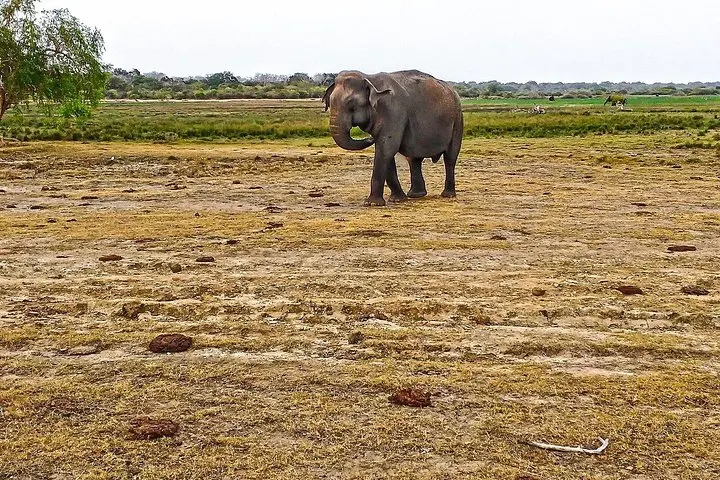
Morning light freckles the shallow Lahugala tank as a private jeep eases onto rutted grass tracks. Pelicans lift like pillows of white and a herd of elephants pauses to graze, trunks busy with the Sacciolepis grass that draws them here. On a three-hour circuit the landscape shifts from open wetland to scrubby forest, and every bend can produce a flash of feather or the low-shine of a leopard’s flank.
Verified experiences and guided adventures in the surrounding area.
Operated by Lakpura LLC · Lahugala, Eastern Province
Morning light freckles the shallow Lahugala tank as a private jeep eases onto rutted grass tracks. Pelicans lift like pillows of white and a herd of elephants pauses to graze, trunks busy with the Sacciolepis grass that draws them here. On a three-hour circuit the landscape shifts from open wetland to scrubby forest, and every bend can produce a flash of feather or the low-shine of a leopard’s flank.
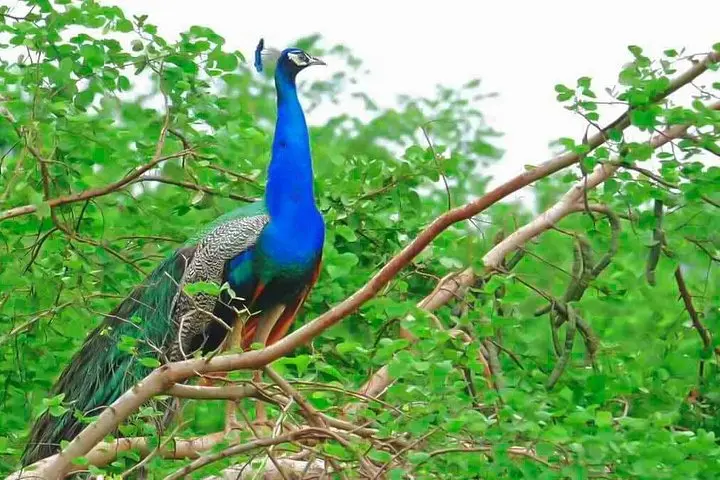
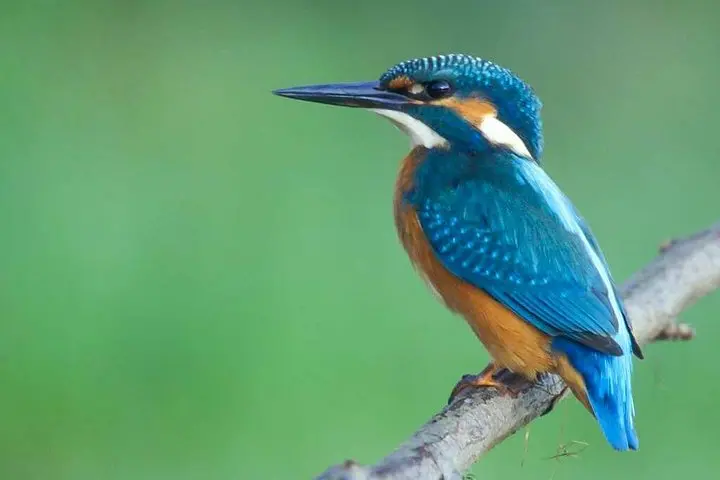
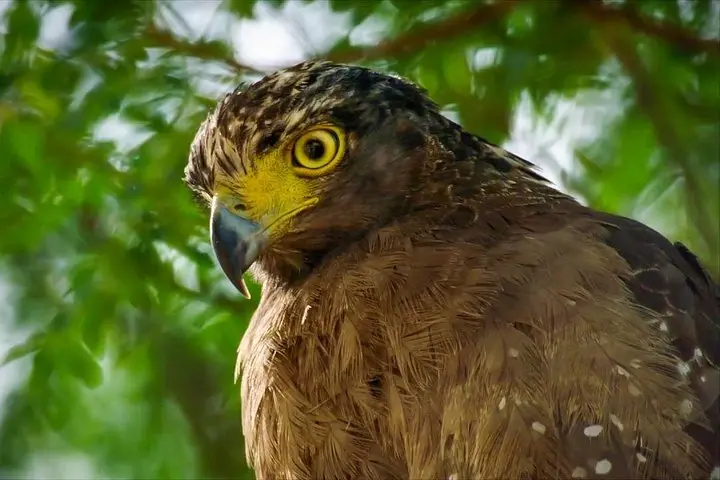
Lahugala-Kitulana occupies a small but ecologically diverse corner of Sri Lanka’s Eastern Province. The park grew around an irrigation reservoir that created permanent wetlands; those waters and surrounding grasslands support resident elephants, endemic birds such as the Red-faced Malkoha, and rare visitors like large pelicans and eagles. Geologically it’s flat, shaped by paddy-country hydrology rather than mountains, which makes wildlife more concentrated—ideal for timed safaris.
Culturally the area sits between fishing villages and inland farmland; local trackers often read animal paths the way a farmer reads the weather. Conservation here balances tourism with fragile wetland habitat—stick to tracks, keep noise low, and follow your tracker’s guidance.
Practical essentials: the private jeep tour runs about three hours over uneven terrain—expect bumps and dust. Best viewing is early morning or late afternoon when animals are active. Bring binoculars, sun protection, water, and a camera with a tele lens. Note the tour isn’t recommended for pregnant travelers or those with serious back or heart conditions; pickup within ~5 km of the park gate is often included.
The dry season (roughly May–September) concentrates animals at water and improves road access; mornings and late afternoons yield the most sightings.
Leopard sightings are possible but uncommon—your tracker will know recent patterns, and patience plus quiet usually yields the best chance.
Many private safaris include pickup and drop-off within about 5 km of the park gate—confirm your hotel’s distance at booking.
The tour is not recommended for pregnant travelers and may be unsuitable for those with serious spinal or heart conditions; check with the operator if you have concerns.
Lakpura LLC operates guided outdoor trips and adventures with an emphasis on safety, stewardship, and memorable experiences.
Morning light freckles the shallow Lahugala tank as a private jeep eases onto rutted grass tracks. Pelicans lift like pillows of white and a herd of elephants pauses to graze, trunks busy with the Sacciolepis grass that draws them here. On a three-hour circuit the landscape shifts from open wetland to scrubby forest, and every bend can produce a flash of feather or the low-shine of a leopard’s flank.
Morning light freckles the shallow Lahugala tank as a private jeep eases onto rutted grass tracks. Pelicans lift like pillows of white and a herd of elephants pauses to graze, trunks busy with the Sacciolepis grass that draws them here. On a three-hour circuit the landscape shifts from open wetland to scrubby forest, and every bend can produce a flash of feather or the low-shine of a leopard’s flank.
Lahugala-Kitulana occupies a small but ecologically diverse corner of Sri Lanka’s Eastern Province. The park grew around an irrigation reservoir that created permanent wetlands; those waters and surrounding grasslands support resident elephants, endemic birds such as the Red-faced Malkoha, and rare visitors like large pelicans and eagles. Geologically it’s flat, shaped by paddy-country hydrology rather than mountains, which makes wildlife more concentrated—ideal for timed safaris.
Culturally the area sits between fishing villages and inland farmland; local trackers often read animal paths the way a farmer reads the weather. Conservation here balances tourism with fragile wetland habitat—stick to tracks, keep noise low, and follow your tracker’s guidance.
Practical essentials: the private jeep tour runs about three hours over uneven terrain—expect bumps and dust. Best viewing is early morning or late afternoon when animals are active. Bring binoculars, sun protection, water, and a camera with a tele lens. Note the tour isn’t recommended for pregnant travelers or those with serious back or heart conditions; pickup within ~5 km of the park gate is often included.