THE ADVENTURE COLLECTIVE® · Independent discovery and booking for outdoor travel

Drive across volcanic corridors to Africa’s lowest point and walk crystalline salt flats beside glass-bright water. This full-day guided trip from Djibouti City combines dramatic geology, Afar salt-culture, and a surreal floating experience.
Drive across volcanic corridors to Africa’s lowest point and walk crystalline salt flats beside glass-bright water. This full-day guided trip from Djibouti City combines dramatic geology, Afar salt-culture, and a surreal floating experience.
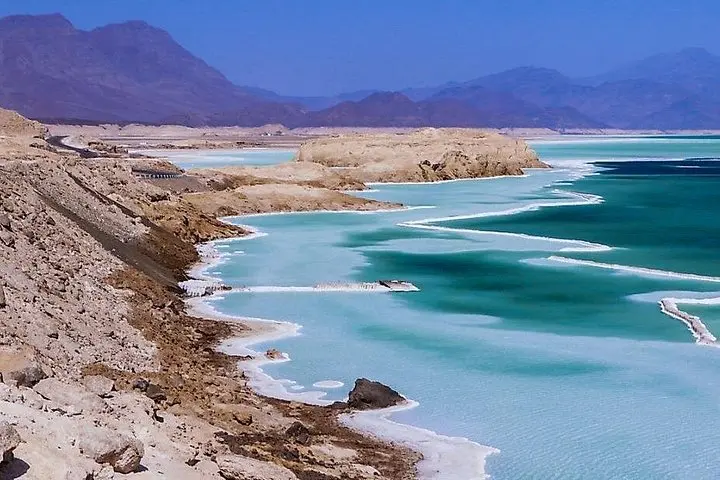
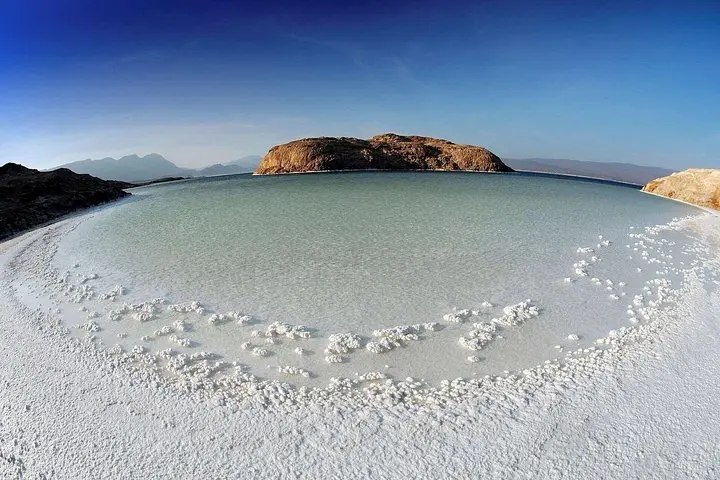
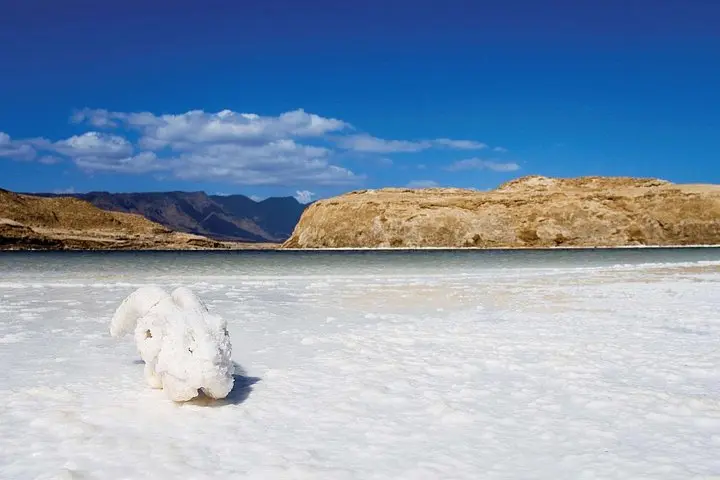
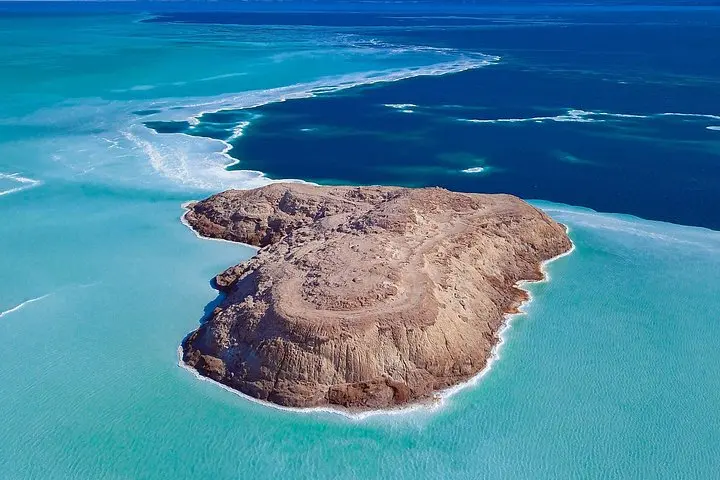
The road west from Djibouti City opens like a long, black ribbon across raw, volcanic ground. As you drive, the Gulf of Tadjourah slips away to the north and the air thins into a bright, dry clarity; by mid-morning the salt flats of Lake Assal appear—blinding white against shocking turquoise water and rings of charcoal lava that seem to hold the sea at bay.
Verified experiences and guided adventures in the surrounding area.
Operated by Arhotours · Djibouti City, Djibouti
The road west from Djibouti City opens like a long, black ribbon across raw, volcanic ground. As you drive, the Gulf of Tadjourah slips away to the north and the air thins into a bright, dry clarity; by mid-morning the salt flats of Lake Assal appear—blinding white against shocking turquoise water and rings of charcoal lava that seem to hold the sea at bay.
Geology here is loud and recent: Rift activity carved the basin and left exposed basalt and layered sandstone at Dimbiya Canyon, where ancient earth movements read like pages in a field guide. Human history is present too—the Afar people have harvested salt here for generations, and you can still see the salt caravans and hear the stories of trade routes that crossed this harsh land.
On a guided day trip you’ll pass panoramic viewpoints over Ghoubet El Kharab, pause at Dimbiya Canyon, walk the salt crust, try floating in the hyper-saline water, and visit thermal springs where tiny fish nibble at your feet. The itinerary typically runs 8–9 hours with private transport and a seaside lunch included at Ghoubet.
Practical tips: plan for intense sun and reflective glare—sunglasses and SPF are mandatory. The salt crust can be sharp; closed-toe shoes protect both you and local salt formations. Carry at least 2–3 liters of water and limit barefoot time on salty surfaces to avoid skin irritation. Respect Afar cultural practices around salt extraction and ask before photographing people. Early starts beat the heat and give you crisper light for photography.
This is a day of stark contrasts—liquid that refuses to sink you, black lava that frames white plains, and wind that seems determined to keep you moving forward. It’s a compact, singular landscape best experienced with a local guide who knows the routes, the stories, and the safe spots to wade and watch.
Yes—its high salinity makes floating easy; avoid swallowing water and rinse off afterward to remove salt residue.
Expect roughly 1.5–2 hours each way via a well-paved road, with stops at Arta viewpoint and Dimbiya Canyon en route.
Yes—it's family-friendly but supervise children near salt crust edges and ensure they drink plenty of water and wear sun protection.
The tour includes a lunch stop near Ghoubet El Kharab; toilet facilities are basic at stops—plan accordingly.
Arhotours operates guided outdoor trips and adventures with an emphasis on safety, stewardship, and memorable experiences.
The road west from Djibouti City opens like a long, black ribbon across raw, volcanic ground. As you drive, the Gulf of Tadjourah slips away to the north and the air thins into a bright, dry clarity; by mid-morning the salt flats of Lake Assal appear—blinding white against shocking turquoise water and rings of charcoal lava that seem to hold the sea at bay.
The road west from Djibouti City opens like a long, black ribbon across raw, volcanic ground. As you drive, the Gulf of Tadjourah slips away to the north and the air thins into a bright, dry clarity; by mid-morning the salt flats of Lake Assal appear—blinding white against shocking turquoise water and rings of charcoal lava that seem to hold the sea at bay.
Geology here is loud and recent: Rift activity carved the basin and left exposed basalt and layered sandstone at Dimbiya Canyon, where ancient earth movements read like pages in a field guide. Human history is present too—the Afar people have harvested salt here for generations, and you can still see the salt caravans and hear the stories of trade routes that crossed this harsh land.
On a guided day trip you’ll pass panoramic viewpoints over Ghoubet El Kharab, pause at Dimbiya Canyon, walk the salt crust, try floating in the hyper-saline water, and visit thermal springs where tiny fish nibble at your feet. The itinerary typically runs 8–9 hours with private transport and a seaside lunch included at Ghoubet.
Practical tips: plan for intense sun and reflective glare—sunglasses and SPF are mandatory. The salt crust can be sharp; closed-toe shoes protect both you and local salt formations. Carry at least 2–3 liters of water and limit barefoot time on salty surfaces to avoid skin irritation. Respect Afar cultural practices around salt extraction and ask before photographing people. Early starts beat the heat and give you crisper light for photography.
This is a day of stark contrasts—liquid that refuses to sink you, black lava that frames white plains, and wind that seems determined to keep you moving forward. It’s a compact, singular landscape best experienced with a local guide who knows the routes, the stories, and the safe spots to wade and watch.