THE ADVENTURE COLLECTIVE® · Independent discovery and booking for outdoor travel

Spend a day tracing Mayan tradition at Chichicastenango’s vibrant market, then cross to Lake Atitlán for panoramic views of its volcanic rim. This full-day trip pairs culture, geology, and practical tips for navigating markets and altitude.
Spend a day tracing Mayan tradition at Chichicastenango’s vibrant market, then cross to Lake Atitlán for panoramic views of its volcanic rim. This full-day trip pairs culture, geology, and practical tips for navigating markets and altitude.
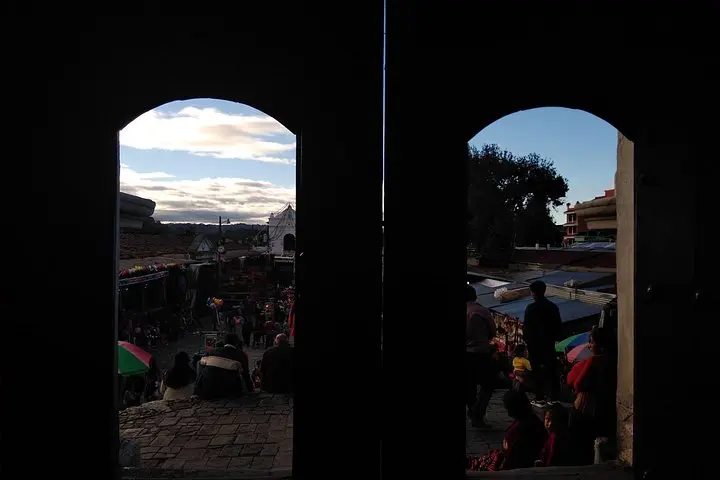
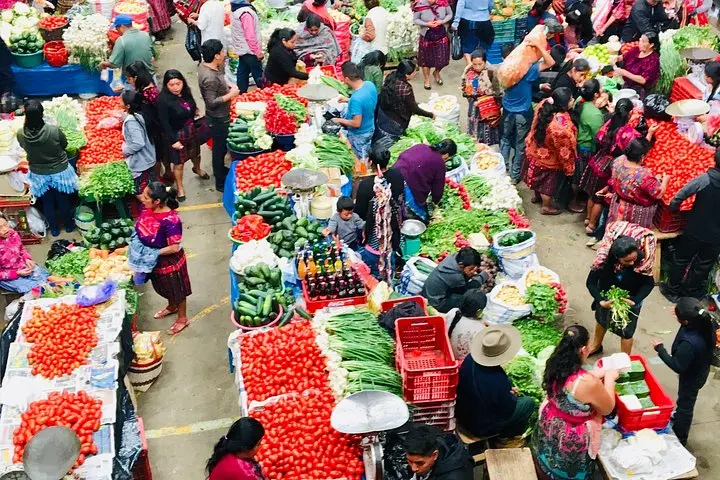
You step off the air-conditioned van into a square alive with color: woven blankets folded like origami, the clack of bargaining and the sharp scent of roasted corn. Chichicastenango’s market arrives with a rhythm—Thursdays and Sundays are its heartbeat—where Kʼicheʼ Maya vendors display textiles, ritual candles, and wooden masks that carry local family stories.
Verified experiences and guided adventures in the surrounding area.
Operated by JAGUAR TRAVELS · Panajachel, Sololá
You step off the air-conditioned van into a square alive with color: woven blankets folded like origami, the clack of bargaining and the sharp scent of roasted corn. Chichicastenango’s market arrives with a rhythm—Thursdays and Sundays are its heartbeat—where Kʼicheʼ Maya vendors display textiles, ritual candles, and wooden masks that carry local family stories.
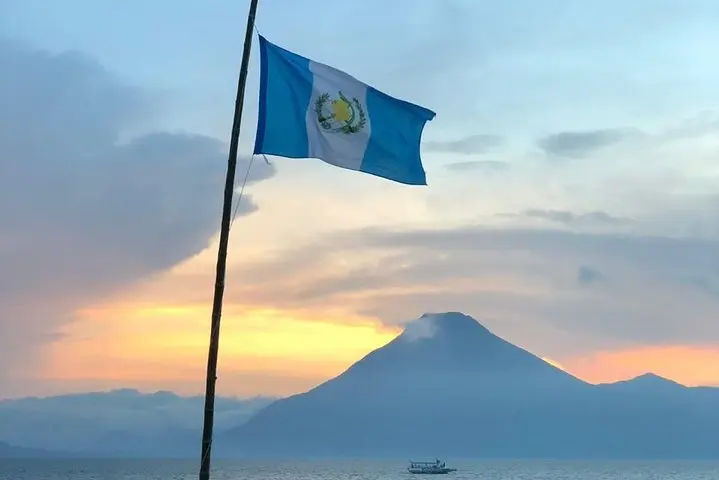
By afternoon the road drops to the rim of Lake Atitlán, a deep, volcanic bowl rimmed by slopes and watched over by three volcanoes. The lake’s caldera formed in a massive eruption roughly 85,000 years ago; today its broad surface reflects villages clinging to the shore and boats that ferry quiet trade between them.
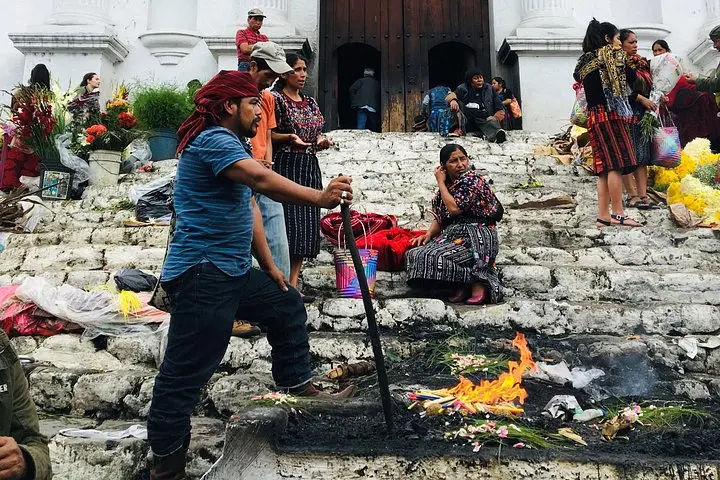
Culturally, the day pairs living Mayan traditions with colonial-era influences: in Chichicastenango you’ll see church steps used for both Catholic mass and indigenous offerings; at Panajachel you’ll witness contemporary cooperatives selling natural-dye textiles and lake-side cafés serving trout.
Practical edge: expect moderate walking on uneven stone and packed-earth market lanes, and plan for altitude (around 1,900–2,100 m). Bring cash in small bills for purchases, wear sturdy shoes for cobbles, and time your visit to match market days. If you prefer a slower pace, consider skipping crowded midmorning windows and linger along Panajachel’s waterfront for a panoramic view instead of a hurried photo stop.
This combination of market energy and lakeside panorama is a full day of sensory contrasts—textiles rubbing shoulders with volcanic geology and centuries of living culture.
The main market days are Thursday and Sunday — visiting on those days guarantees the broadest selection of vendors and ritual activity.
There’s no fee to view the lake from public viewpoints in Panajachel, but boat transfers or specific village sites may charge modest fees.
Yes — the itinerary is rated easy with vehicle transport between stops, though it involves moderate walking and stair navigation in market areas.
Yes — Chichicastenango has street food stalls and Panajachel offers cafés and restaurants; bring cash and note local food hygiene when choosing stalls.
JAGUAR TRAVELS operates guided outdoor trips and adventures with an emphasis on safety, stewardship, and memorable experiences.
You step off the air-conditioned van into a square alive with color: woven blankets folded like origami, the clack of bargaining and the sharp scent of roasted corn. Chichicastenango’s market arrives with a rhythm—Thursdays and Sundays are its heartbeat—where Kʼicheʼ Maya vendors display textiles, ritual candles, and wooden masks that carry local family stories.
You step off the air-conditioned van into a square alive with color: woven blankets folded like origami, the clack of bargaining and the sharp scent of roasted corn. Chichicastenango’s market arrives with a rhythm—Thursdays and Sundays are its heartbeat—where Kʼicheʼ Maya vendors display textiles, ritual candles, and wooden masks that carry local family stories.
By afternoon the road drops to the rim of Lake Atitlán, a deep, volcanic bowl rimmed by slopes and watched over by three volcanoes. The lake’s caldera formed in a massive eruption roughly 85,000 years ago; today its broad surface reflects villages clinging to the shore and boats that ferry quiet trade between them.
Culturally, the day pairs living Mayan traditions with colonial-era influences: in Chichicastenango you’ll see church steps used for both Catholic mass and indigenous offerings; at Panajachel you’ll witness contemporary cooperatives selling natural-dye textiles and lake-side cafés serving trout.
Practical edge: expect moderate walking on uneven stone and packed-earth market lanes, and plan for altitude (around 1,900–2,100 m). Bring cash in small bills for purchases, wear sturdy shoes for cobbles, and time your visit to match market days. If you prefer a slower pace, consider skipping crowded midmorning windows and linger along Panajachel’s waterfront for a panoramic view instead of a hurried photo stop.
This combination of market energy and lakeside panorama is a full day of sensory contrasts—textiles rubbing shoulders with volcanic geology and centuries of living culture.