THE ADVENTURE COLLECTIVE® · Independent discovery and booking for outdoor travel

Two alpine lakes, a cliff-top castle, and a brisk waterfall hike—this full-day tour stitches together Slovenia’s greatest hits with a practical, unhurried rhythm. Expect big views, short walks with payoff, and options to boat, swim, or simply take it all in.
Two alpine lakes, a cliff-top castle, and a brisk waterfall hike—this full-day tour stitches together Slovenia’s greatest hits with a practical, unhurried rhythm. Expect big views, short walks with payoff, and options to boat, swim, or simply take it all in.
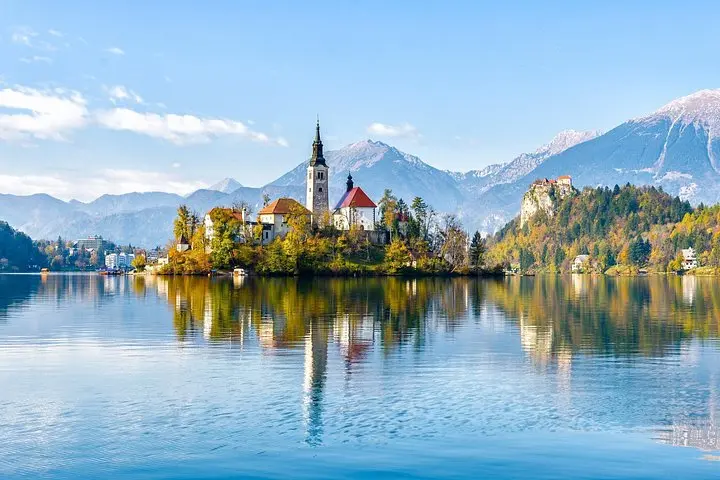
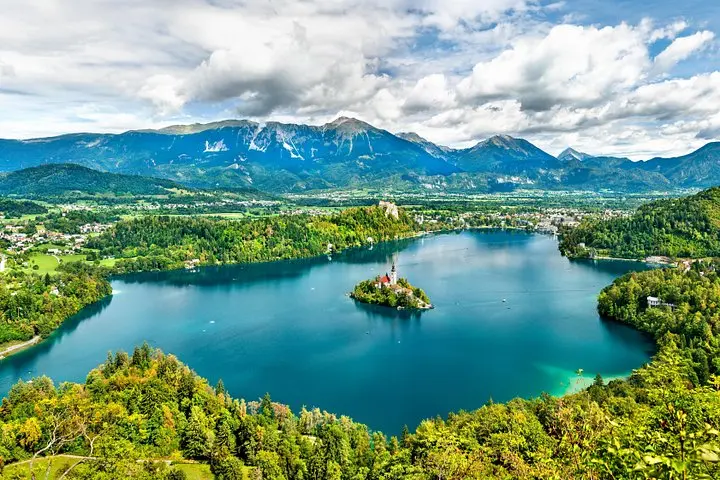
Morning light slips across the Sava plain as you leave Ljubljana, and the Alps begin to rise with a quiet insistence. By the time the road folds into the village of Bled, the lake is already at work—mirroring clouds, teasing the forested shore, and sending pletna boats gliding toward the island church like purposeful water striders. Bled Castle clings to its cliff 130 meters above the water, a stone perch that has watched over pilgrims and princes since the early 11th century.
Verified experiences and guided adventures in the surrounding area.
Operated by To do in Slovenia · Bled, Upper Carniola
Morning light slips across the Sava plain as you leave Ljubljana, and the Alps begin to rise with a quiet insistence. By the time the road folds into the village of Bled, the lake is already at work—mirroring clouds, teasing the forested shore, and sending pletna boats gliding toward the island church like purposeful water striders. Bled Castle clings to its cliff 130 meters above the water, a stone perch that has watched over pilgrims and princes since the early 11th century.
This full-day excursion pairs two of Slovenia’s signature lakes with a short, satisfying waterfall hike inside Triglav National Park. At Bled, the choices are classic: ride a hand-crafted pletna to the island and ring the church bell, walk the 6-kilometer lakeshore path for shifting views, or climb to the castle museum for a sweep of the Julian Alps. Save room for a slice of kremšnita—the town’s famed cream cake—which fuels the rest of the day as reliably as any energy bar.
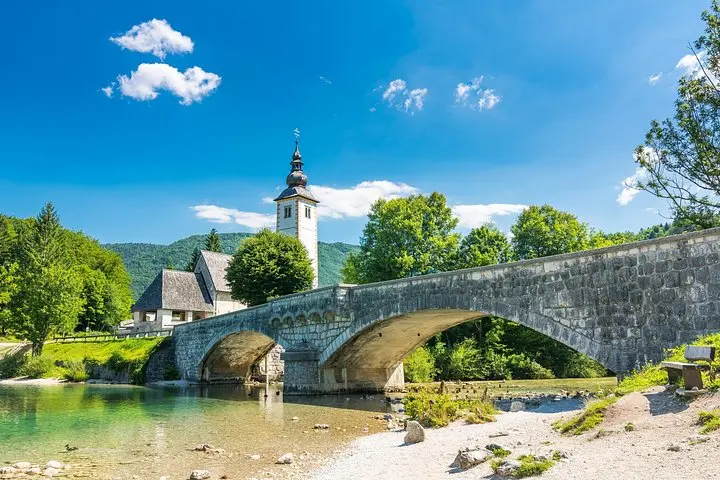
An hour deeper into the mountains, Bohinj trades polish for quiet. The lake is longer (4.2 kilometers) and wilder, its shoreline a ribbon of beech and spruce with pebbled coves that invite a summer swim. The water nudges you in—clear, cold, and clean. On clear days, the Vogel cable car tempts ambitious legs with high-mountain panoramas; on others, the light hugs the water and rewards unhurried walking. Bohinj’s pastoral culture shows at roadside stands and mountain dairies—look for tangy Mohant cheese and local honey.
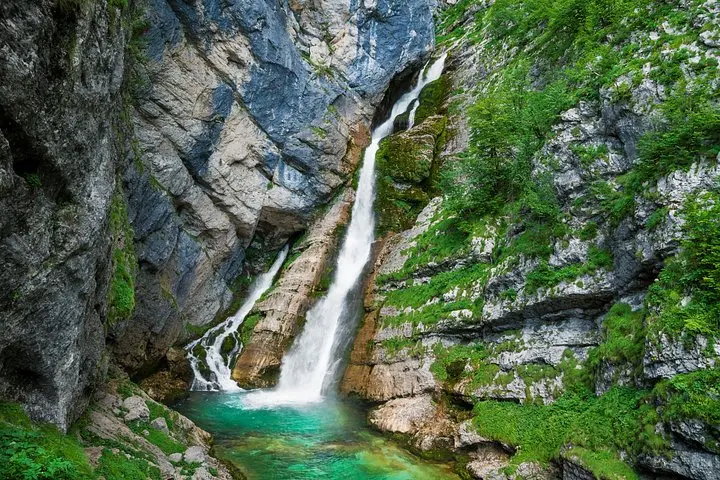
The day’s uphill comes at Savica Waterfall, Bohinj’s most famous cascade. From Koča pri Savici hut, a well-built trail and roughly 500 stone steps climb through fir and moss for 20–30 minutes to a viewpoint. Expect about 1.5 kilometers round-trip and 130–150 meters of elevation gain, with railings guarding the steeper edges. The water charges out of a limestone cleft and into a turquoise pool—the subterranean finish of an alpine journey that helps feed Lake Bohinj. The karst beneath your feet is busy, routing streams through caverns before releasing them here with a surge.
Logistics are straightforward on this guided day: hotel pickup, an English-speaking driver-guide, and Savica entrance covered. A pletna ride and Bled Castle ticket are optional add-ons, easy to decide on the spot. Plan for a full 9–10 hours with plenty of walking; sturdy shoes, layers, and a swimsuit in summer keep the day flexible. The lakes invite you to move at their pace—steady, clear-headed, and just a little bit daring.
No—your guide can help you arrange it on arrival at Bled. Expect about 30–60 minutes round-trip on the lake.
It’s short but steep: about 1.5 km round-trip with roughly 500 steps and 130–150 m of gain. Most reasonably fit travelers manage it in 20–30 minutes up.
Swimming is common at Lake Bohinj in summer and permitted in designated areas. Lake Bled has limited access points; follow posted signs.
Bring warm layers, a hat, gloves, and shoes with good traction. Trails and viewpoints can be windy and icy from late fall through early spring.
Meals are not included. There are cafes at Bled and Bohinj; plan time for lunch or bring snacks for the bus segments.
Many do, but small kiosks and WCs may be cash-only. Carry a few euros for convenience.
To do in Slovenia operates guided outdoor trips and adventures with an emphasis on safety, stewardship, and memorable experiences.
Morning light slips across the Sava plain as you leave Ljubljana, and the Alps begin to rise with a quiet insistence. By the time the road folds into the village of Bled, the lake is already at work—mirroring clouds, teasing the forested shore, and sending pletna boats gliding toward the island church like purposeful water striders. Bled Castle clings to its cliff 130 meters above the water, a stone perch that has watched over pilgrims and princes since the early 11th century.
Morning light slips across the Sava plain as you leave Ljubljana, and the Alps begin to rise with a quiet insistence. By the time the road folds into the village of Bled, the lake is already at work—mirroring clouds, teasing the forested shore, and sending pletna boats gliding toward the island church like purposeful water striders. Bled Castle clings to its cliff 130 meters above the water, a stone perch that has watched over pilgrims and princes since the early 11th century.
This full-day excursion pairs two of Slovenia’s signature lakes with a short, satisfying waterfall hike inside Triglav National Park. At Bled, the choices are classic: ride a hand-crafted pletna to the island and ring the church bell, walk the 6-kilometer lakeshore path for shifting views, or climb to the castle museum for a sweep of the Julian Alps. Save room for a slice of kremšnita—the town’s famed cream cake—which fuels the rest of the day as reliably as any energy bar.
An hour deeper into the mountains, Bohinj trades polish for quiet. The lake is longer (4.2 kilometers) and wilder, its shoreline a ribbon of beech and spruce with pebbled coves that invite a summer swim. The water nudges you in—clear, cold, and clean. On clear days, the Vogel cable car tempts ambitious legs with high-mountain panoramas; on others, the light hugs the water and rewards unhurried walking. Bohinj’s pastoral culture shows at roadside stands and mountain dairies—look for tangy Mohant cheese and local honey.
The day’s uphill comes at Savica Waterfall, Bohinj’s most famous cascade. From Koča pri Savici hut, a well-built trail and roughly 500 stone steps climb through fir and moss for 20–30 minutes to a viewpoint. Expect about 1.5 kilometers round-trip and 130–150 meters of elevation gain, with railings guarding the steeper edges. The water charges out of a limestone cleft and into a turquoise pool—the subterranean finish of an alpine journey that helps feed Lake Bohinj. The karst beneath your feet is busy, routing streams through caverns before releasing them here with a surge.
Logistics are straightforward on this guided day: hotel pickup, an English-speaking driver-guide, and Savica entrance covered. A pletna ride and Bled Castle ticket are optional add-ons, easy to decide on the spot. Plan for a full 9–10 hours with plenty of walking; sturdy shoes, layers, and a swimsuit in summer keep the day flexible. The lakes invite you to move at their pace—steady, clear-headed, and just a little bit daring.