THE ADVENTURE COLLECTIVE® · Independent discovery and booking for outdoor travel

Trade city streets for alpine water and limestone walls on a full-day, small-group tour to Lake Bled, Vintgar Gorge, and Lake Bohinj. The route balances Slovenia’s greatest hits with local insight, gentle walks, and time to absorb the scenery.
Trade city streets for alpine water and limestone walls on a full-day, small-group tour to Lake Bled, Vintgar Gorge, and Lake Bohinj. The route balances Slovenia’s greatest hits with local insight, gentle walks, and time to absorb the scenery.
Morning breaks over Ljubljana’s red roofs and the city exhales you toward the mountains. Within an hour the skyline turns jagged, the Julian Alps edging closer as the road unspools into forest and meadow. At Lake Bled, the water sits calm but alert, a blue-green eye that watches the island church and the cliff-top castle. A local guide keeps the pace unhurried, steering you to the lake’s quieter margins where pletna boats glide like patient creatures, oars dipping in rhythm, daring you to cross and ring the church bell for luck.
Verified experiences and guided adventures in the surrounding area.
Operated by Roundabout Travel · Ljubljana, Osrednjeslovenska
Morning breaks over Ljubljana’s red roofs and the city exhales you toward the mountains. Within an hour the skyline turns jagged, the Julian Alps edging closer as the road unspools into forest and meadow. At Lake Bled, the water sits calm but alert, a blue-green eye that watches the island church and the cliff-top castle. A local guide keeps the pace unhurried, steering you to the lake’s quieter margins where pletna boats glide like patient creatures, oars dipping in rhythm, daring you to cross and ring the church bell for luck.
History rises here as tangibly as the castle above. Bled Castle dates to 1011, its terraces granting a clear read of the valley: glacial-carved basin, moraines softened by beech and spruce, the Karavanke Ridge taking the northern horizon. It’s an easy climb by road or shuttle, with a few short stair sections; the payoff is textbook Slovenia—alpine stone, emerald water, and the island anchored by a 17th-century steeple.
If conditions allow, Vintgar Gorge is next, a narrow limestone chasm cut by the Radovna River. Boardwalks cling to cliff faces for roughly 1.6 km one way, weaving over rapids that push forward and under walls that bead with spray. The river hums, nudges, and then bursts at the Šum waterfall, a final exhale in mist. Expect damp planks and intermittent steps; it’s not technical, but good traction matters.
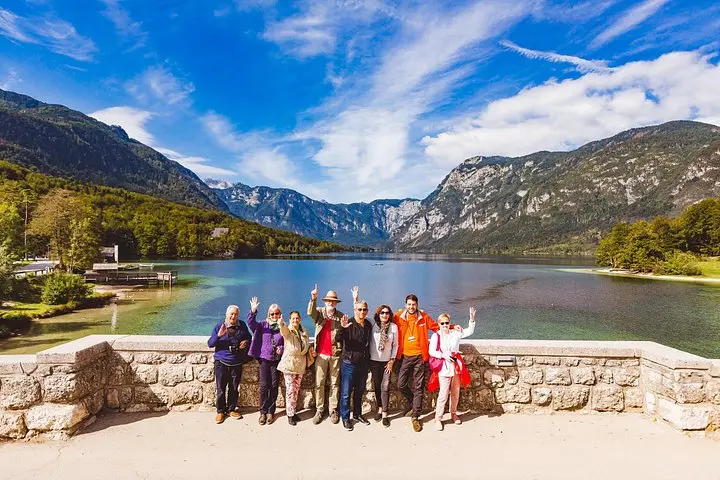
By midday, the group glides into Triglav National Park and Bohinj’s broader, wilder waters. Lake Bohinj stretches long and clear, ringed by steep slopes and dairy pastures that still practice traditional alpine cheesemaking in summer. Wind slides along the surface and dares paddleboarders and swimmers; in colder months the lake pulls tight and reflective, a mirror for cloud and crag. From Ribčev Laz, short lakeshore walks lead to pebble coves and the photogenic Church of St. John the Baptist with its faded Gothic frescoes.
The day typically closes via Škofja Loka, one of Slovenia’s oldest towns, its stone bridge and pastel facades speaking to medieval trade routes and guild wealth. Cobbled streets and café windows tempt a last espresso before the return to Ljubljana.
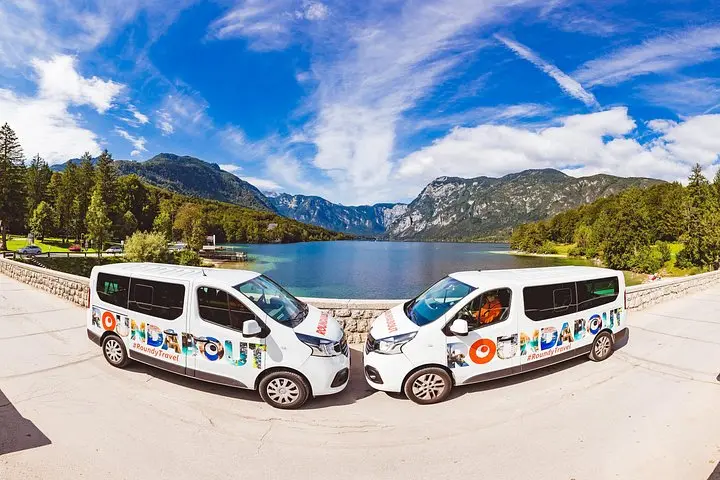
Practicalities: This small-group tour runs about 10–10.5 hours in an air-conditioned minivan, capped at around eight travelers for flexibility. Expect light to moderate walking (3–5 miles total) on mixed surfaces, short stair climbs at viewpoints, and variable weather that can shift quickly in the Alps. Bring layers, water, and euros for optional extras like the pletna boat ride or snack stops. The route blends iconic highlights with local context—enough structure to cover ground, enough breathing room to let the lakes and gorge speak for themselves.
Plan on 3–5 miles total over the day, including flat lakeside paths, damp boardwalks in Vintgar Gorge, and short stair sections at viewpoints or Bled Castle.
Yes, the tour includes Bled Castle entrance; other activities such as the pletna boat ride to Bled Island are optional and paid on site.
Swimming is allowed at designated areas, especially at Lake Bohinj in summer. Bring a towel and check conditions with your guide.
Tours operate rain or shine, but specific sites like Vintgar Gorge may close for safety during high water; the guide adjusts the itinerary as needed.
Meals are not included. There’s time to purchase lunch or snacks in Bled or Bohinj; carrying a small snack is smart.
Pletna boats operate most of the year but may be limited in winter or during strong winds; availability is weather-dependent.
Roundabout Travel operates guided outdoor trips and adventures with an emphasis on safety, stewardship, and memorable experiences.
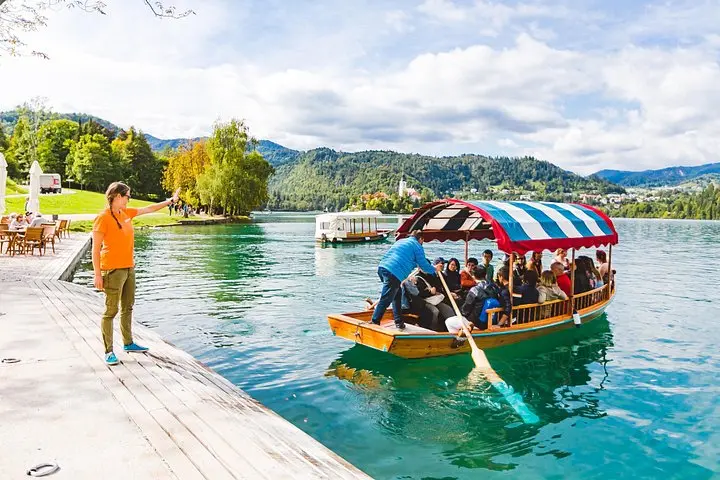
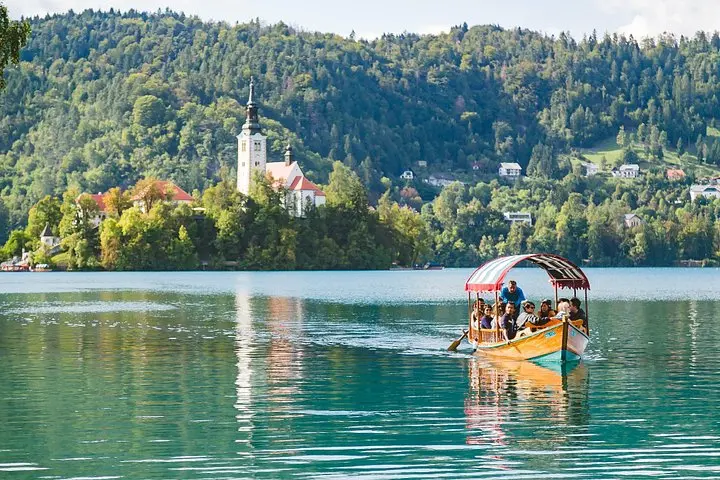
Morning breaks over Ljubljana’s red roofs and the city exhales you toward the mountains. Within an hour the skyline turns jagged, the Julian Alps edging closer as the road unspools into forest and meadow. At Lake Bled, the water sits calm but alert, a blue-green eye that watches the island church and the cliff-top castle. A local guide keeps the pace unhurried, steering you to the lake’s quieter margins where pletna boats glide like patient creatures, oars dipping in rhythm, daring you to cross and ring the church bell for luck.
Morning breaks over Ljubljana’s red roofs and the city exhales you toward the mountains. Within an hour the skyline turns jagged, the Julian Alps edging closer as the road unspools into forest and meadow. At Lake Bled, the water sits calm but alert, a blue-green eye that watches the island church and the cliff-top castle. A local guide keeps the pace unhurried, steering you to the lake’s quieter margins where pletna boats glide like patient creatures, oars dipping in rhythm, daring you to cross and ring the church bell for luck.
History rises here as tangibly as the castle above. Bled Castle dates to 1011, its terraces granting a clear read of the valley: glacial-carved basin, moraines softened by beech and spruce, the Karavanke Ridge taking the northern horizon. It’s an easy climb by road or shuttle, with a few short stair sections; the payoff is textbook Slovenia—alpine stone, emerald water, and the island anchored by a 17th-century steeple.
If conditions allow, Vintgar Gorge is next, a narrow limestone chasm cut by the Radovna River. Boardwalks cling to cliff faces for roughly 1.6 km one way, weaving over rapids that push forward and under walls that bead with spray. The river hums, nudges, and then bursts at the Šum waterfall, a final exhale in mist. Expect damp planks and intermittent steps; it’s not technical, but good traction matters.
By midday, the group glides into Triglav National Park and Bohinj’s broader, wilder waters. Lake Bohinj stretches long and clear, ringed by steep slopes and dairy pastures that still practice traditional alpine cheesemaking in summer. Wind slides along the surface and dares paddleboarders and swimmers; in colder months the lake pulls tight and reflective, a mirror for cloud and crag. From Ribčev Laz, short lakeshore walks lead to pebble coves and the photogenic Church of St. John the Baptist with its faded Gothic frescoes.
The day typically closes via Škofja Loka, one of Slovenia’s oldest towns, its stone bridge and pastel facades speaking to medieval trade routes and guild wealth. Cobbled streets and café windows tempt a last espresso before the return to Ljubljana.
Practicalities: This small-group tour runs about 10–10.5 hours in an air-conditioned minivan, capped at around eight travelers for flexibility. Expect light to moderate walking (3–5 miles total) on mixed surfaces, short stair climbs at viewpoints, and variable weather that can shift quickly in the Alps. Bring layers, water, and euros for optional extras like the pletna boat ride or snack stops. The route blends iconic highlights with local context—enough structure to cover ground, enough breathing room to let the lakes and gorge speak for themselves.