THE ADVENTURE COLLECTIVE® · Independent discovery and booking for outdoor travel

Spend a day escaping Moshi to Lake Chala, a 250,000-year-old crater lake on the Kenya–Tanzania border. Canoe, swim, and birdwatch in a private reserve, then return for a concise town tour of Moshi.
Spend a day escaping Moshi to Lake Chala, a 250,000-year-old crater lake on the Kenya–Tanzania border. Canoe, swim, and birdwatch in a private reserve, then return for a concise town tour of Moshi.
The morning drive out of Moshi moves from coffee farms into broad, sun-baked scrub. You crest a ridge and the crater drops into view: a bowl of water so still it seems to hold its own weather. Lake Chala sits in an ancient volcanic caldera on the Kenya–Tanzania frontier — emerald in wet months, glassy blue in dry season — and the private reserve that guards its rim opens the afternoon to paddles, birdsong and a calm that feels almost deliberate.
Verified experiences and guided adventures in the surrounding area.
Operated by African Choice Safari · Moshi, Kilimanjaro Region
The morning drive out of Moshi moves from coffee farms into broad, sun-baked scrub. You crest a ridge and the crater drops into view: a bowl of water so still it seems to hold its own weather. Lake Chala sits in an ancient volcanic caldera on the Kenya–Tanzania frontier — emerald in wet months, glassy blue in dry season — and the private reserve that guards its rim opens the afternoon to paddles, birdsong and a calm that feels almost deliberate.
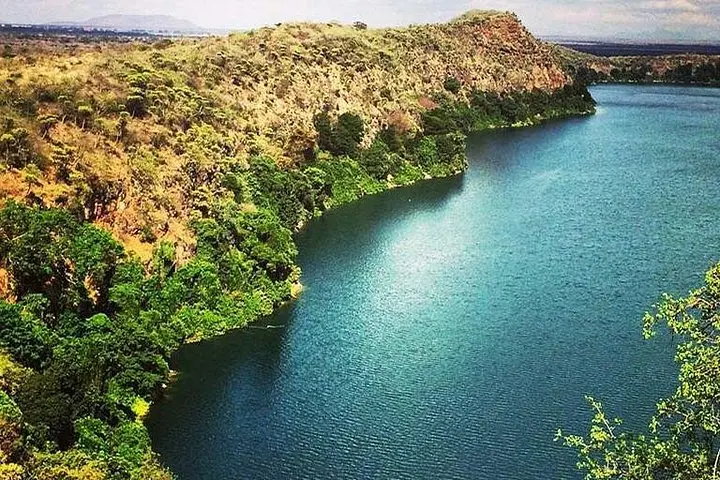
Geology is obvious here. The lake is fed by groundwater rather than rivers; its steep walls are the slow work of collapsed lava and ash, cut into terraces and ledges that read like a cross-section through the East African Rift's shifting crust. Culturally, the area sits at the edge of Chagga and Pare lands — people who have farmed the lower slopes of Kilimanjaro for generations. On the drive back, the guide will point out farms, mosques and markets in Moshi that grew on trade routes that once funneled goods around the mountain.
At the water's edge, the day is modular: short walks to viewpoints above the caldera, a guided birding loop, time for canoeing and a swim if the wind is kind. The lodge’s restaurant sits with a view — lunch follows Tanzanian staples and grilled fish or chicken — then a late-afternoon loop through Moshi's streets gives a quick local orientation before the drop-off.
Practical edge: the crater rim means steep paths down and up; they’re not technical but can be slippery after rain. Bring non-marking shoes for the canoe, a light fleece for wind on the upper rim, and a waterproof layer if your trip falls in the long rains (Mar–May). Hydration is simple: the operator supplies bottled water, but pack a 1–1.5L reservoir for your own comfort. If birding is your aim, ask ahead for a guide with a scope; the reserve attracts raptors and waterbirds uncommon elsewhere on Kilimanjaro’s flanks.
Timing matters. Early starts avoid midday heat and give better bird activity; late afternoons bring dramatic light on the crater walls and cooler paddling. The private-reserve setting means fewer crowds than the better-known parks, and the one-day rhythm — pick-up in Moshi, return with a town tour — makes this a tight, rewarding escape for travelers based in town or en route to Kilimanjaro climbs.
For photographers, keep wide and tight lenses ready: rim panoramas and close studies of kingfishers or herons play differently in the same hour. Respect the private-lodge rules: stay on paths, don’t feed wildlife, and leave the crater quieter than you found it — the lake's quiet is its best feature.
The transfer is about 1–1.5 hours each way depending on traffic and your pickup location in Moshi.
Swimming is allowed in designated areas; always check with your guide about currents and water quality before entering.
The lodge and reserve have basic restroom facilities and a lodge area for changing and lunch.
Yes — the excursion is offered as a private tour with hotel pickup and drop-off in Moshi.
Yes, but dry months (June–September) often provide clearer viewing and more active shorebirds; rainy seasons can restrict trail access.
Travel insurance is recommended; check with your healthcare provider about routine travel vaccinations and malaria prophylaxis for the region.
African Choice Safari operates guided outdoor trips and adventures with an emphasis on safety, stewardship, and memorable experiences.
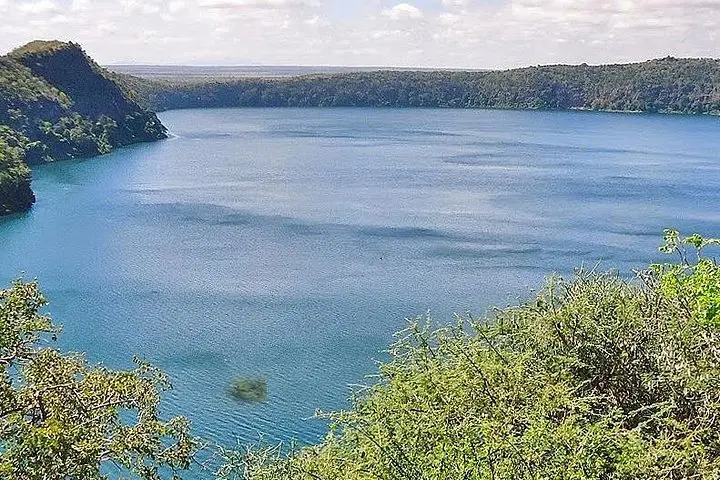
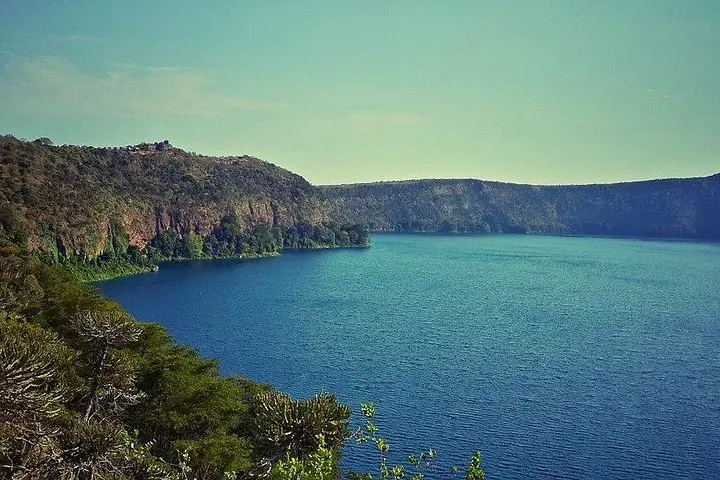
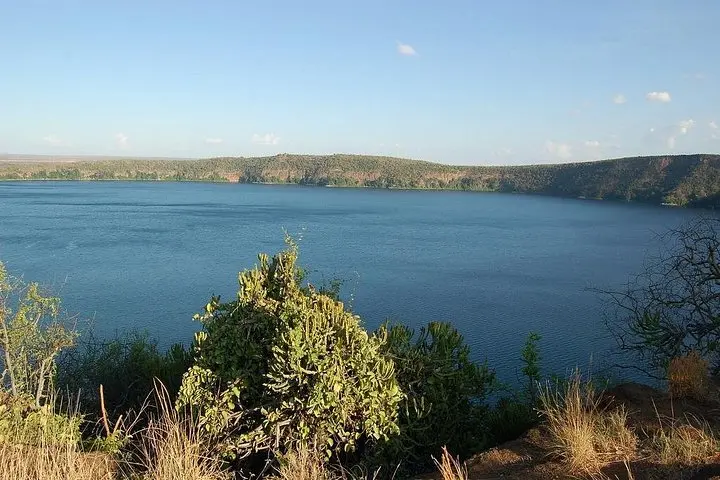
The morning drive out of Moshi moves from coffee farms into broad, sun-baked scrub. You crest a ridge and the crater drops into view: a bowl of water so still it seems to hold its own weather. Lake Chala sits in an ancient volcanic caldera on the Kenya–Tanzania frontier — emerald in wet months, glassy blue in dry season — and the private reserve that guards its rim opens the afternoon to paddles, birdsong and a calm that feels almost deliberate.
The morning drive out of Moshi moves from coffee farms into broad, sun-baked scrub. You crest a ridge and the crater drops into view: a bowl of water so still it seems to hold its own weather. Lake Chala sits in an ancient volcanic caldera on the Kenya–Tanzania frontier — emerald in wet months, glassy blue in dry season — and the private reserve that guards its rim opens the afternoon to paddles, birdsong and a calm that feels almost deliberate.
Geology is obvious here. The lake is fed by groundwater rather than rivers; its steep walls are the slow work of collapsed lava and ash, cut into terraces and ledges that read like a cross-section through the East African Rift's shifting crust. Culturally, the area sits at the edge of Chagga and Pare lands — people who have farmed the lower slopes of Kilimanjaro for generations. On the drive back, the guide will point out farms, mosques and markets in Moshi that grew on trade routes that once funneled goods around the mountain.
At the water's edge, the day is modular: short walks to viewpoints above the caldera, a guided birding loop, time for canoeing and a swim if the wind is kind. The lodge’s restaurant sits with a view — lunch follows Tanzanian staples and grilled fish or chicken — then a late-afternoon loop through Moshi's streets gives a quick local orientation before the drop-off.
Practical edge: the crater rim means steep paths down and up; they’re not technical but can be slippery after rain. Bring non-marking shoes for the canoe, a light fleece for wind on the upper rim, and a waterproof layer if your trip falls in the long rains (Mar–May). Hydration is simple: the operator supplies bottled water, but pack a 1–1.5L reservoir for your own comfort. If birding is your aim, ask ahead for a guide with a scope; the reserve attracts raptors and waterbirds uncommon elsewhere on Kilimanjaro’s flanks.
Timing matters. Early starts avoid midday heat and give better bird activity; late afternoons bring dramatic light on the crater walls and cooler paddling. The private-reserve setting means fewer crowds than the better-known parks, and the one-day rhythm — pick-up in Moshi, return with a town tour — makes this a tight, rewarding escape for travelers based in town or en route to Kilimanjaro climbs.
For photographers, keep wide and tight lenses ready: rim panoramas and close studies of kingfishers or herons play differently in the same hour. Respect the private-lodge rules: stay on paths, don’t feed wildlife, and leave the crater quieter than you found it — the lake's quiet is its best feature.