THE ADVENTURE COLLECTIVE® · Independent discovery and booking for outdoor travel

Spend an afternoon circling the Lake District’s signature views — from windswept Kirkstone Pass to the hush of Castlerigg stone circle — on a relaxed small-group minivan tour. Expect history, geology and a mandatory stop for Grasmere gingerbread.
Spend an afternoon circling the Lake District’s signature views — from windswept Kirkstone Pass to the hush of Castlerigg stone circle — on a relaxed small-group minivan tour. Expect history, geology and a mandatory stop for Grasmere gingerbread.
The minivan threads the narrowing lane and the world rearranges itself: stone walls draw tighter, sheep dot the slopes like stitched punctuation, and the lake surfaces flash silver through oak and birch. You step out at Kirkstone Pass and the wind seems to be moving the whole valley for you — Windermere gleams below, walkers are tiny bright marks on distant ridgelines, and the guide points to contours carved by ice and river over 10,000 years. In four focused hours you’ll move from high passes to mellow village shores, pausing for the photo frames the Lake District has made famous.
Verified experiences and guided adventures in the surrounding area.
Operated by English Lakes Tours · Ambleside, Cumbria
The minivan threads the narrowing lane and the world rearranges itself: stone walls draw tighter, sheep dot the slopes like stitched punctuation, and the lake surfaces flash silver through oak and birch. You step out at Kirkstone Pass and the wind seems to be moving the whole valley for you — Windermere gleams below, walkers are tiny bright marks on distant ridgelines, and the guide points to contours carved by ice and river over 10,000 years. In four focused hours you’ll move from high passes to mellow village shores, pausing for the photo frames the Lake District has made famous.
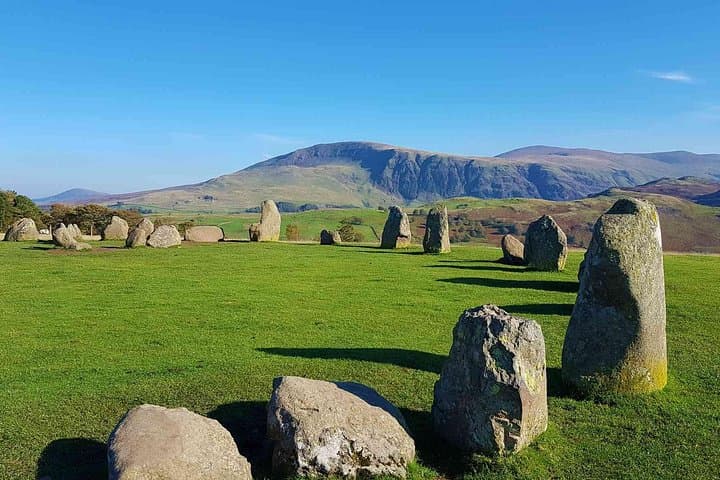
This is a landscape shaped by geology and industry. The volcanic and sedimentary rocks of the central fells — the old Skiddaw and Borrowdale systems — lift the skyline; medieval packhorse routes still stitch the valleys together. Castlerigg stone circle, with 48 upright stones set against raw fell tops, hints at human presence here since the Neolithic, while Thirlmere’s tranquil surface hides the Victorian story of drowned villages and the engineering reach of Manchester’s water needs.
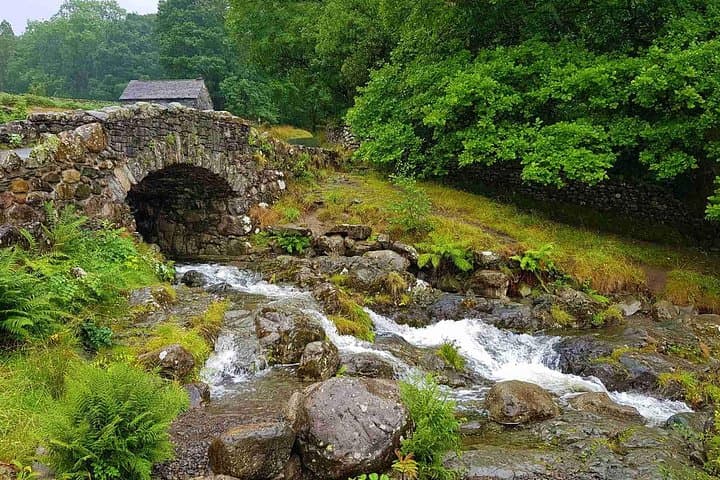
Culture in the Lakes is lived and audible: Wordsworth’s quiet, domestic poems map directly onto Grasmere’s lanes and Dove Cottage; gingerbread is more than a snack — it’s a small local religion at the Grasmere shop. Guides on this small-group run (6–7 guests) supply crisp facts and local stories as you move from Ashness Bridge’s tumbling stream to Surprise View’s sweeping panorama over Derwentwater and Bassenthwaite.
Practically, the tour is deliberately easy: comfortable air-conditioned minivans, frequent photo stops, and a little walking on uneven or damp ground. Expect 10–15 minute stops at viewpoints and villages, plus a dedicated 10-minute gingerbread stop everyone loves. Wear shoes with grip for short uphill stretches; bring a waterproof and a warm mid-layer — weather changes quickly even on summer afternoons. If you’re tempted to paddle, bring quick-dry socks or be prepared to get wet; guides will advise where it’s safe.
For photographers, aim for late-afternoon light when the western slopes warm and the lakes pick up color. The itinerary offers big-picture variety: high passes, intimate bridges, ancient stones and village corners — useful in a half-day when you want a comprehensive introduction without a long walk.
This tour is ideal as an orientation run for first-time visitors or for repeat travelers who want a concentrated afternoon of the Lakes’ best viewpoints, history and small-town character. Leave room in your schedule for a longer walk on the fells later — the landscape here has a way of calling you back.
The tour is 4 hours long with multiple short photo stops (5–15 minutes) and a few slightly longer stops at key sites such as Castlerigg, Surprise View and the Grasmere gingerbread shop.
Yes — the tour uses air-conditioned minivans with Wi‑Fi and charging points for most devices; groups are limited to 6–7 guests for space and conversation.
You may have a chance to paddle at a calm spot depending on conditions, but bring quick‑dry socks and be prepared to get wet; guides will advise on safety.
Children over 7 are permitted but must have a purchased seat; short walks include uneven ground, so the tour is not fully wheelchair accessible and strollers may be difficult at some stops.
Full refunds are available if you cancel at least 24 hours before departure; the operator may cancel in severe weather for safety and offer refunds accordingly.
All entrance fees for itinerary locations are included; bring ID if you require proof for discounts or if you booked with special requirements.
English Lakes Tours operates guided outdoor trips and adventures with an emphasis on safety, stewardship, and memorable experiences.

The minivan threads the narrowing lane and the world rearranges itself: stone walls draw tighter, sheep dot the slopes like stitched punctuation, and the lake surfaces flash silver through oak and birch. You step out at Kirkstone Pass and the wind seems to be moving the whole valley for you — Windermere gleams below, walkers are tiny bright marks on distant ridgelines, and the guide points to contours carved by ice and river over 10,000 years. In four focused hours you’ll move from high passes to mellow village shores, pausing for the photo frames the Lake District has made famous.
The minivan threads the narrowing lane and the world rearranges itself: stone walls draw tighter, sheep dot the slopes like stitched punctuation, and the lake surfaces flash silver through oak and birch. You step out at Kirkstone Pass and the wind seems to be moving the whole valley for you — Windermere gleams below, walkers are tiny bright marks on distant ridgelines, and the guide points to contours carved by ice and river over 10,000 years. In four focused hours you’ll move from high passes to mellow village shores, pausing for the photo frames the Lake District has made famous.
This is a landscape shaped by geology and industry. The volcanic and sedimentary rocks of the central fells — the old Skiddaw and Borrowdale systems — lift the skyline; medieval packhorse routes still stitch the valleys together. Castlerigg stone circle, with 48 upright stones set against raw fell tops, hints at human presence here since the Neolithic, while Thirlmere’s tranquil surface hides the Victorian story of drowned villages and the engineering reach of Manchester’s water needs.
Culture in the Lakes is lived and audible: Wordsworth’s quiet, domestic poems map directly onto Grasmere’s lanes and Dove Cottage; gingerbread is more than a snack — it’s a small local religion at the Grasmere shop. Guides on this small-group run (6–7 guests) supply crisp facts and local stories as you move from Ashness Bridge’s tumbling stream to Surprise View’s sweeping panorama over Derwentwater and Bassenthwaite.
Practically, the tour is deliberately easy: comfortable air-conditioned minivans, frequent photo stops, and a little walking on uneven or damp ground. Expect 10–15 minute stops at viewpoints and villages, plus a dedicated 10-minute gingerbread stop everyone loves. Wear shoes with grip for short uphill stretches; bring a waterproof and a warm mid-layer — weather changes quickly even on summer afternoons. If you’re tempted to paddle, bring quick-dry socks or be prepared to get wet; guides will advise where it’s safe.
For photographers, aim for late-afternoon light when the western slopes warm and the lakes pick up color. The itinerary offers big-picture variety: high passes, intimate bridges, ancient stones and village corners — useful in a half-day when you want a comprehensive introduction without a long walk.
This tour is ideal as an orientation run for first-time visitors or for repeat travelers who want a concentrated afternoon of the Lakes’ best viewpoints, history and small-town character. Leave room in your schedule for a longer walk on the fells later — the landscape here has a way of calling you back.