THE ADVENTURE COLLECTIVE® · Independent discovery and booking for outdoor travel

Spend a half day walking forest trails and canoeing on Lake Duluti with views of Mt. Meru—and on clear days, distant Kilimanjaro. This easy nature trip pairs short hikes, stable canoeing, local snacks, and interpretive guiding.
Spend a half day walking forest trails and canoeing on Lake Duluti with views of Mt. Meru—and on clear days, distant Kilimanjaro. This easy nature trip pairs short hikes, stable canoeing, local snacks, and interpretive guiding.
The morning opens on glassy water and the green shoulder of Mt. Meru rising behind a band of clouds; Lake Duluti’s rim of forest presses close, and a canoe’s bow parts the surface as you push off. The route combines a gentle walk through indigenous woodland with a guided paddle on a small volcanic lake—on clear days the far horizon can frame both Mt. Meru and, faint and white, Kilimanjaro.
Verified experiences and guided adventures in the surrounding area.
Operated by Allday In Africa Limited · Tengeru, Arusha Region
The morning opens on glassy water and the green shoulder of Mt. Meru rising behind a band of clouds; Lake Duluti’s rim of forest presses close, and a canoe’s bow parts the surface as you push off. The route combines a gentle walk through indigenous woodland with a guided paddle on a small volcanic lake—on clear days the far horizon can frame both Mt. Meru and, faint and white, Kilimanjaro.
Formed in volcanic terrain east of Arusha, Lake Duluti is a shallow crater lake ringed by a short, well-trodden trail and dense riverine forest. The area has long been used by local communities for fishing, small-scale agriculture, and as a gathering place; today guided visits blend recreation with local hospitality. Geology is visible in basalt outcrops and the lake’s bowl-shaped shoreline, while birds and curious monkeys animate the canopy.
Expect an easy, roughly half-day outing (about 4–5 hours total with transfers). The walking trails are short with minimal elevation gain; canoeing is stable and suitable for novices. Practicalities matter: arrive with layered sun protection, mosquito repellent, and closed shoes for the trail. Guides typically provide bottled water, snacks, entrance fees, and an orientation on paddling and wildlife etiquette.
This trip is ideal for travelers seeking a low-impact nature experience near Arusha—bring a camera, but keep a respectful distance from wildlife and stick with your guide. Time your visit for early morning or late afternoon light when the air is still and the lake’s reflections are sharp.
The experience is about 4–5 hours total, including transport, a guided walk, and canoeing time on the lake.
Yes—canoes are stable and guides provide a brief paddling orientation; no prior experience is required.
Yes—the tour typically includes the Lake Duluti entrance fee, bottled water, snacks, and lunch as part of the package.
Expect tree-dwelling birds, kingfishers, and vervet or blue monkeys along the shore; sightings depend on season and time of day.
Allday In Africa Limited operates guided outdoor trips and adventures with an emphasis on safety, stewardship, and memorable experiences.
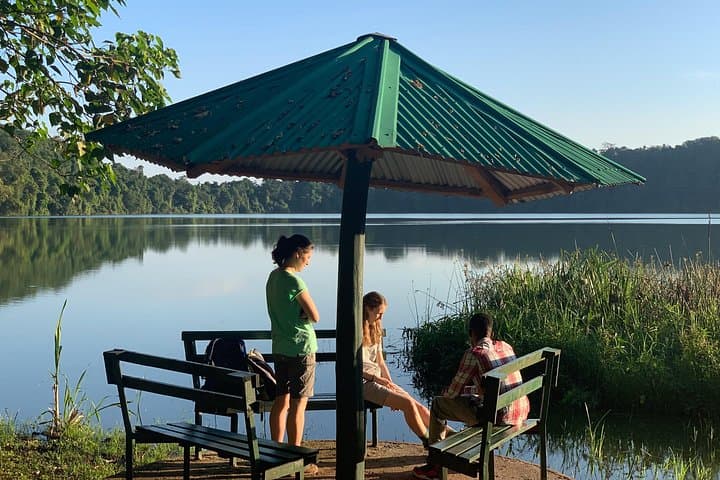
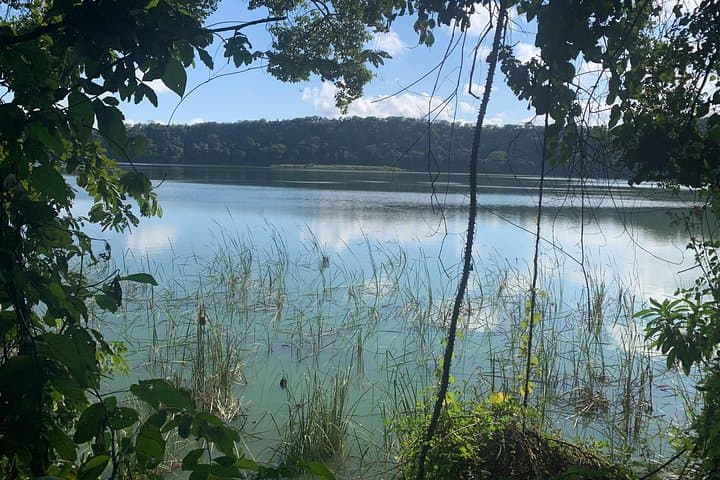
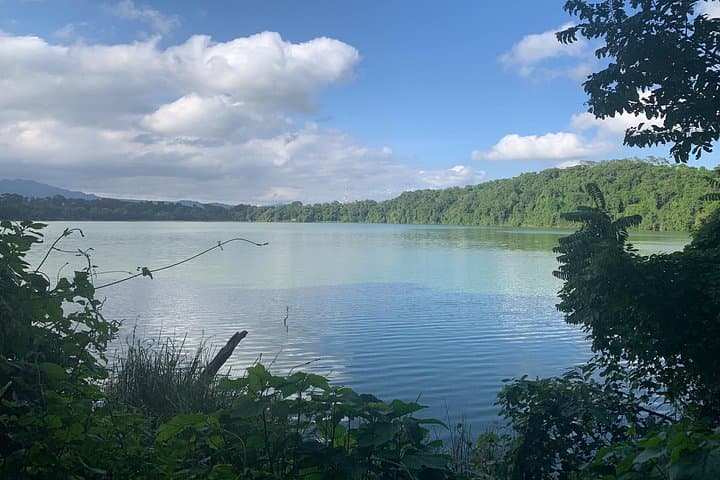
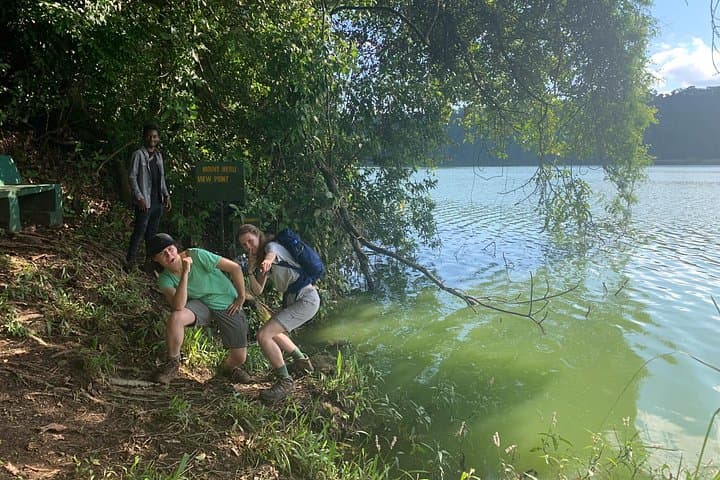
The morning opens on glassy water and the green shoulder of Mt. Meru rising behind a band of clouds; Lake Duluti’s rim of forest presses close, and a canoe’s bow parts the surface as you push off. The route combines a gentle walk through indigenous woodland with a guided paddle on a small volcanic lake—on clear days the far horizon can frame both Mt. Meru and, faint and white, Kilimanjaro.
The morning opens on glassy water and the green shoulder of Mt. Meru rising behind a band of clouds; Lake Duluti’s rim of forest presses close, and a canoe’s bow parts the surface as you push off. The route combines a gentle walk through indigenous woodland with a guided paddle on a small volcanic lake—on clear days the far horizon can frame both Mt. Meru and, faint and white, Kilimanjaro.
Formed in volcanic terrain east of Arusha, Lake Duluti is a shallow crater lake ringed by a short, well-trodden trail and dense riverine forest. The area has long been used by local communities for fishing, small-scale agriculture, and as a gathering place; today guided visits blend recreation with local hospitality. Geology is visible in basalt outcrops and the lake’s bowl-shaped shoreline, while birds and curious monkeys animate the canopy.
Expect an easy, roughly half-day outing (about 4–5 hours total with transfers). The walking trails are short with minimal elevation gain; canoeing is stable and suitable for novices. Practicalities matter: arrive with layered sun protection, mosquito repellent, and closed shoes for the trail. Guides typically provide bottled water, snacks, entrance fees, and an orientation on paddling and wildlife etiquette.
This trip is ideal for travelers seeking a low-impact nature experience near Arusha—bring a camera, but keep a respectful distance from wildlife and stick with your guide. Time your visit for early morning or late afternoon light when the air is still and the lake’s reflections are sharp.