THE ADVENTURE COLLECTIVE® · Independent discovery and booking for outdoor travel

Join Hadzabe hunters at Lake Eyasi for early-morning tracking, fire-by-friction lessons and honey-gathering (seasonal). This two-day cultural visit pairs hands-on demonstrations with brief walks through acacia scrub and onion plots.
Join Hadzabe hunters at Lake Eyasi for early-morning tracking, fire-by-friction lessons and honey-gathering (seasonal). This two-day cultural visit pairs hands-on demonstrations with brief walks through acacia scrub and onion plots.
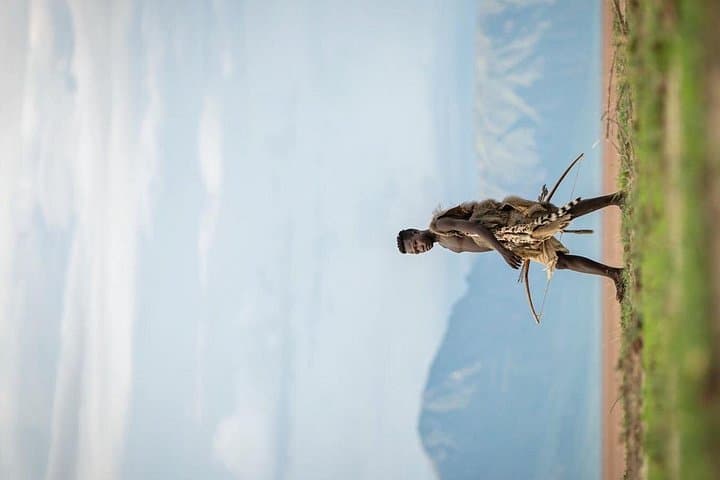
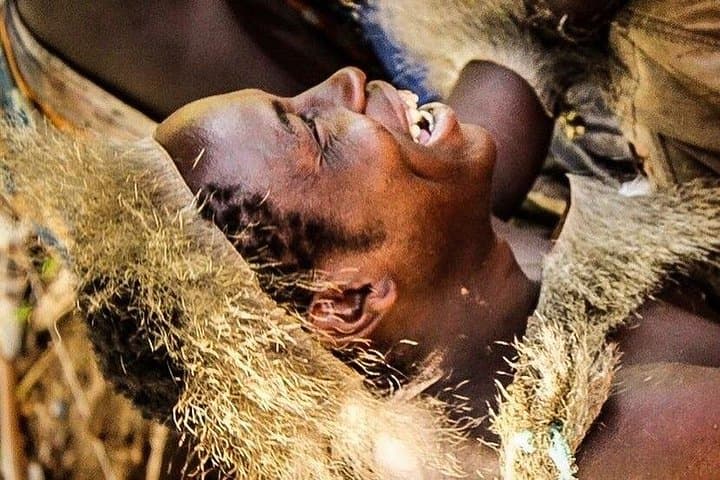
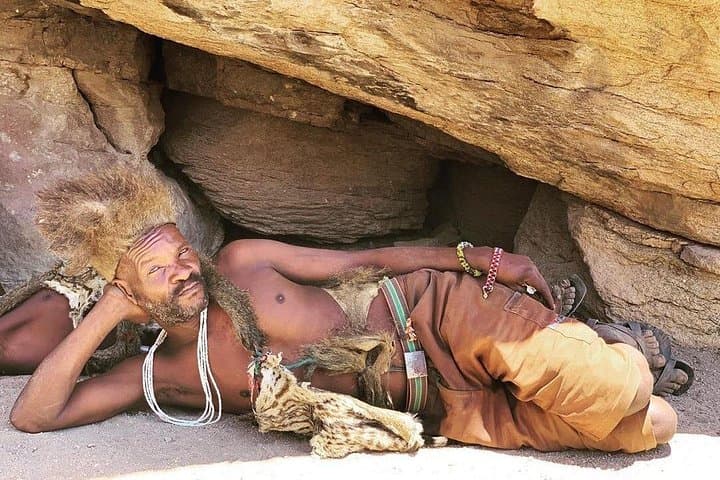
Dawn breaks over a shallow salt lake and the plain around Lake Eyasi exhales dust and birdcalls. You meet the Hadzabe at first light: hunters check their bows, women collect tubers, and a language of clicks threads between gestures. The landscape is open acacia scrub and volcanic ridges; wind moves like a second guide, pushing you along game trails and onion plots toward the village.
Verified experiences and guided adventures in the surrounding area.
Operated by Great Image Expedition Ltd · Karatu, Manyara
Dawn breaks over a shallow salt lake and the plain around Lake Eyasi exhales dust and birdcalls. You meet the Hadzabe at first light: hunters check their bows, women collect tubers, and a language of clicks threads between gestures. The landscape is open acacia scrub and volcanic ridges; wind moves like a second guide, pushing you along game trails and onion plots toward the village.
Geology here is recent—lava flows and uplifted terraces from the rift system frame a basin that fills and recedes with the rains. The Hadzabe and nearby Datoga have adapted to that rhythm for generations: the Hadzabe as mobile foragers and the Datoga as pastoralists and metalworkers who trade arrowheads and ornaments.
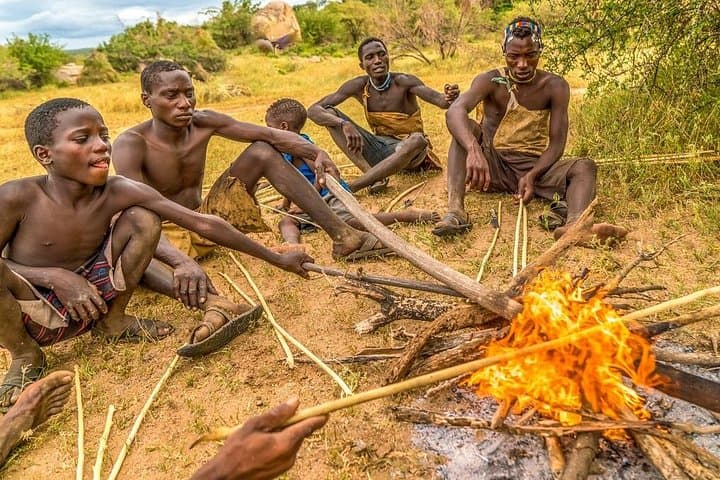
Cultural exchange is direct and tactile: learn friction-fire techniques, try a bow and arrow, watch honey-hunters (season permitting) and join a communal dance. Interaction is guided and brief—respect and observation are the core expectations.
Practical guidance: mornings are when hunting and demonstrations happen; wear sturdy, closed shoes for uneven ground, bring sun protection and water, and carry small bills for respectful purchases or tips. Mobility needs are low—short walking bursts across flat to gently rolling terrain—but expect dust and heat midday. Local guides coordinate transport from Karatu or Arusha and arrange times to avoid midday heat.
The trip balances immersive cultural learning with straightforward logistics: arrive curious, dress for dry scrub and sun, and leave with a clearer sense of a living hunter-gatherer tradition shaped by the rift and the seasons.
Typical visits and demonstrations last 3–4 hours in the morning, with additional time allotted for meeting the Datoga and watching a sunset at the lake.
No—activities involve short walks over mostly flat to gently rolling terrain; participants should be able to walk for 1–3 miles at a relaxed pace.
Yes, but always ask permission first; many guides recommend offering a small gratuity when photographing individuals up close.
Honey-gathering is seasonal and more likely during or after rainy periods; guides will include it when safe and available.
Great Image Expedition Ltd operates guided outdoor trips and adventures with an emphasis on safety, stewardship, and memorable experiences.
Dawn breaks over a shallow salt lake and the plain around Lake Eyasi exhales dust and birdcalls. You meet the Hadzabe at first light: hunters check their bows, women collect tubers, and a language of clicks threads between gestures. The landscape is open acacia scrub and volcanic ridges; wind moves like a second guide, pushing you along game trails and onion plots toward the village.
Dawn breaks over a shallow salt lake and the plain around Lake Eyasi exhales dust and birdcalls. You meet the Hadzabe at first light: hunters check their bows, women collect tubers, and a language of clicks threads between gestures. The landscape is open acacia scrub and volcanic ridges; wind moves like a second guide, pushing you along game trails and onion plots toward the village.
Geology here is recent—lava flows and uplifted terraces from the rift system frame a basin that fills and recedes with the rains. The Hadzabe and nearby Datoga have adapted to that rhythm for generations: the Hadzabe as mobile foragers and the Datoga as pastoralists and metalworkers who trade arrowheads and ornaments.
Cultural exchange is direct and tactile: learn friction-fire techniques, try a bow and arrow, watch honey-hunters (season permitting) and join a communal dance. Interaction is guided and brief—respect and observation are the core expectations.
Practical guidance: mornings are when hunting and demonstrations happen; wear sturdy, closed shoes for uneven ground, bring sun protection and water, and carry small bills for respectful purchases or tips. Mobility needs are low—short walking bursts across flat to gently rolling terrain—but expect dust and heat midday. Local guides coordinate transport from Karatu or Arusha and arrange times to avoid midday heat.
The trip balances immersive cultural learning with straightforward logistics: arrive curious, dress for dry scrub and sun, and leave with a clearer sense of a living hunter-gatherer tradition shaped by the rift and the seasons.