THE ADVENTURE COLLECTIVE® · Independent discovery and booking for outdoor travel

A two-day, privately guided loop through Yamanashi’s lakes, waterfalls and rural ridgelines that reveal quieter views of Mt. Fuji. Expect swims at clear mountain lakes, short hikes to waterfalls and visits to restored folk houses and local farms.
A two-day, privately guided loop through Yamanashi’s lakes, waterfalls and rural ridgelines that reveal quieter views of Mt. Fuji. Expect swims at clear mountain lakes, short hikes to waterfalls and visits to restored folk houses and local farms.
You step out where the road loosens into a gravel pullout and the silence is held by the shape of Fuji—broad, patient, and often crowned in cloud. This multi-day loop moves through glassy lakes, old folk houses, cedar-shaded shrines and low, farmed ridgelines where the mountain reads differently from every angle.
Verified experiences and guided adventures in the surrounding area.
Operated by GoKoAmigos · Fujikawaguchiko, Yamanashi
You step out where the road loosens into a gravel pullout and the silence is held by the shape of Fuji—broad, patient, and often crowned in cloud. This multi-day loop moves through glassy lakes, old folk houses, cedar-shaded shrines and low, farmed ridgelines where the mountain reads differently from every angle.
Geology here is blunt: volcanic slopes feed clear crater lakes and fast gullies, and the land bears the scars of Fuji’s eruptions as fertile terraces and black volcanic rock. Culturally, small towns around Kawaguchiko and Saiko preserve Edo-period farmhouses and crafts; Suwa Shrine and the 1,200-year-old cedar are reminders that this landscape has been sacred and worked for centuries.
On day one you’ll lake-hop to Motosu, Saiko and Shojiko—swims are possible at calm spots—and explore Saiko Iyashi No Sato Nemba’s reconstructed folk village. Day two visits Fujiyoshida steps and quieter waterfall hikes on Fuji’s northern flanks, plus dairy roads and small producers where local ice cream and ranch views reveal a pastoral counterpoint to Fuji’s grandeur.
Practical guidance: plan swims and hikes for morning light when winds are low and visibility of Fuji is best; layers are essential—lakeside mornings are cool, afternoons can warm quickly. Footwear should handle rocky lakeshores and muddy forest trails; bring a dry bag for electronics when you swim. Expect easy, low-technical walks, but moderate elevation changes on short hikes and many stone steps at viewpoints. Respect private farms and shrine boundaries; carry out trash and avoid feeding wildlife. This is a tour designed to show Fuji’s quieter faces—lively water, old wood, and wide, human-shaped views.
Yes—tour notes indicate stroller access and lap-sitting infants are accepted; check with the operator about specific pickup and accommodation needs.
Yes—Motosu and selected spots at Saiko and Shojiko are suitable for swims on calm days; always follow local guidance and avoid swimming in bad weather.
The itinerary focuses on viewpoints around the northern and eastern flanks—there are dramatic, close-feeling vistas but no summit access; visibility depends on weather.
Yes—the tour includes private designer-home accommodations in the Yamanakako forest reserved for tour guests.
GoKoAmigos operates guided outdoor trips and adventures with an emphasis on safety, stewardship, and memorable experiences.
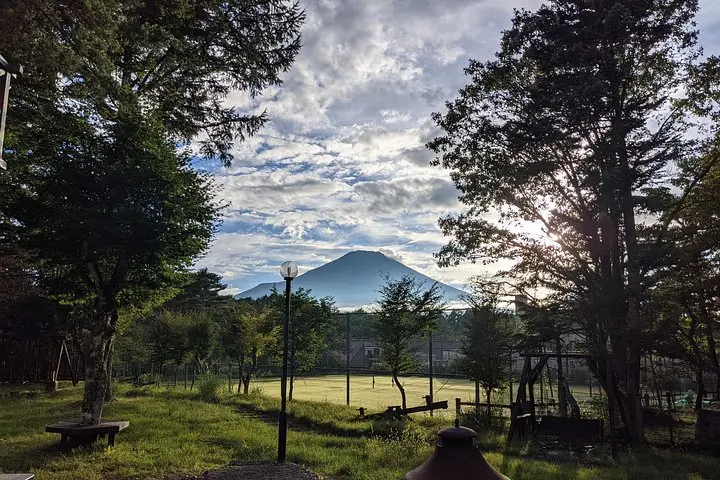
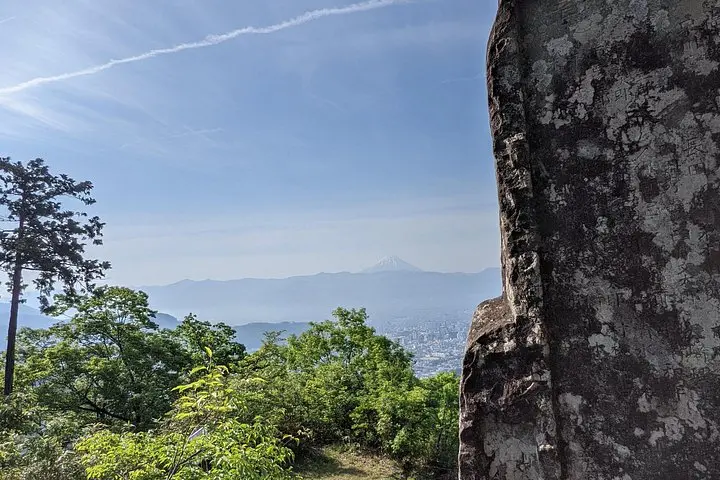
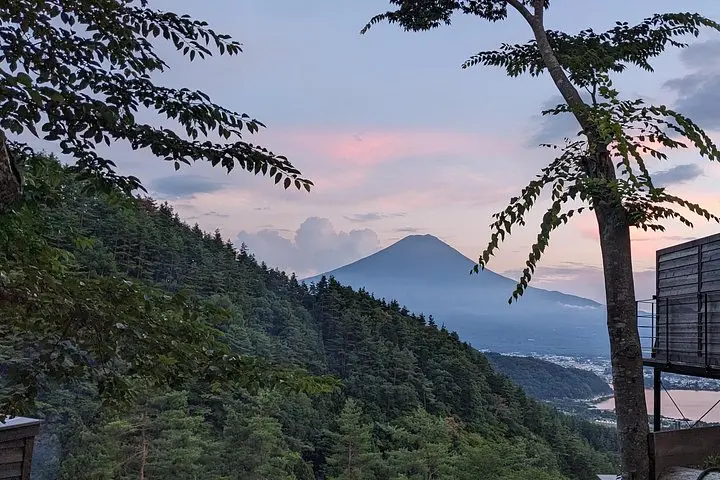
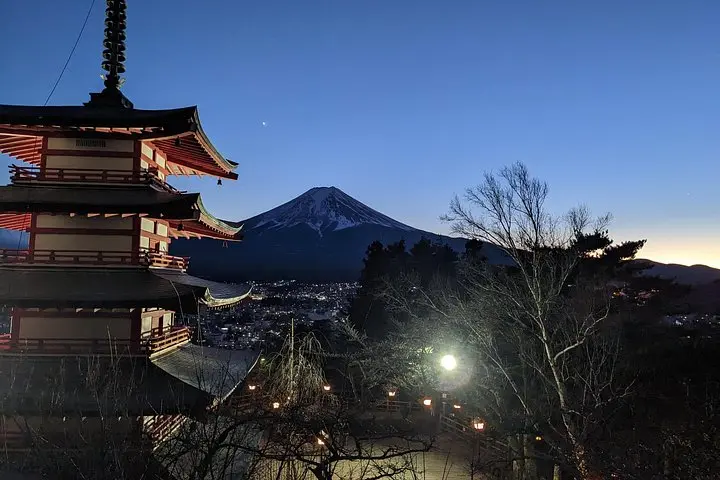
You step out where the road loosens into a gravel pullout and the silence is held by the shape of Fuji—broad, patient, and often crowned in cloud. This multi-day loop moves through glassy lakes, old folk houses, cedar-shaded shrines and low, farmed ridgelines where the mountain reads differently from every angle.
You step out where the road loosens into a gravel pullout and the silence is held by the shape of Fuji—broad, patient, and often crowned in cloud. This multi-day loop moves through glassy lakes, old folk houses, cedar-shaded shrines and low, farmed ridgelines where the mountain reads differently from every angle.
Geology here is blunt: volcanic slopes feed clear crater lakes and fast gullies, and the land bears the scars of Fuji’s eruptions as fertile terraces and black volcanic rock. Culturally, small towns around Kawaguchiko and Saiko preserve Edo-period farmhouses and crafts; Suwa Shrine and the 1,200-year-old cedar are reminders that this landscape has been sacred and worked for centuries.
On day one you’ll lake-hop to Motosu, Saiko and Shojiko—swims are possible at calm spots—and explore Saiko Iyashi No Sato Nemba’s reconstructed folk village. Day two visits Fujiyoshida steps and quieter waterfall hikes on Fuji’s northern flanks, plus dairy roads and small producers where local ice cream and ranch views reveal a pastoral counterpoint to Fuji’s grandeur.
Practical guidance: plan swims and hikes for morning light when winds are low and visibility of Fuji is best; layers are essential—lakeside mornings are cool, afternoons can warm quickly. Footwear should handle rocky lakeshores and muddy forest trails; bring a dry bag for electronics when you swim. Expect easy, low-technical walks, but moderate elevation changes on short hikes and many stone steps at viewpoints. Respect private farms and shrine boundaries; carry out trash and avoid feeding wildlife. This is a tour designed to show Fuji’s quieter faces—lively water, old wood, and wide, human-shaped views.