THE ADVENTURE COLLECTIVE® · Independent discovery and booking for outdoor travel

Pack a full day and a sense of curiosity: this 10-hour loop from Kigali combines a calm Lake Kivu boat ride, a refreshing waterfall, a village cultural visit, and natural hot springs. Expect easy walking, changing weather, and evocative lakeside views.
Pack a full day and a sense of curiosity: this 10-hour loop from Kigali combines a calm Lake Kivu boat ride, a refreshing waterfall, a village cultural visit, and natural hot springs. Expect easy walking, changing weather, and evocative lakeside views.
The day opens with a dawn drive out of Kigali, the city’s concrete giving way to a rolling green of terraces and banana stands. Hills lean into one another like pages in a book, and by mid-morning the shoreline of Lake Kivu appears — a rim of beach, fishing boats, and a breeze that immediately cools the ascent of heat.
Verified experiences and guided adventures in the surrounding area.
Operated by Gorilla Hub Safaris · Rubavu, Western Province
The day opens with a dawn drive out of Kigali, the city’s concrete giving way to a rolling green of terraces and banana stands. Hills lean into one another like pages in a book, and by mid-morning the shoreline of Lake Kivu appears — a rim of beach, fishing boats, and a breeze that immediately cools the ascent of heat.
This route threads colonial-era resort towns, volcanic ridgelines, and freshwater bays. Rubavu (formerly Gisenyi) grew as a lakeside escape in the early 20th century; stone piers and old hotel façades still hint at that era while fishermen launch wooden boats into Kivu’s deep, placid water. Geologically, the lake sits in the western rift valley where volcanic activity and tectonic movement shaped steep coasts and hidden springs; the hot springs you’ll visit are driven by heat moving through faulted rock.
Culturally, the day includes a village stop where daily tasks — weaving, coffee processing, and storytelling — are practical windows into Rwandan life rather than staged performances.
Practical guidance: expect a full 10-hour day with several short walks (30–90 minutes) over uneven, sometimes muddy terrain. Wear sturdy walking shoes, bring sun protection and swimwear for the boat and springs, and carry at least 1–2 liters of water. Boat rides on Kivu are calm but bring motion-sickness medication if you’re sensitive. Respect local customs at village visits — ask before photographing people and accept food or tea politely.
Timing matters: start early to avoid afternoon rains, and keep a light waterproof layer for sudden showers. By sunset the lake often calms and the hills glow — an ideal moment for a quiet lakeshore walk before the return drive to Kigali.
The drive is roughly 2.5 to 3 hours each way depending on traffic and road conditions; the trip is structured as a full day (about 10 hours total).
Yes — boats are operated locally with life jackets available; non-swimmers should wear a life jacket and remain seated during short crossings.
This tour notes it is not recommended for pregnant travelers or those with serious back or cardiovascular conditions — consult your doctor and inform the operator before booking.
Yes — the tour information specifies that lunch, snacks, bottled water, and entry fees are included in the price.
Gorilla Hub Safaris operates guided outdoor trips and adventures with an emphasis on safety, stewardship, and memorable experiences.
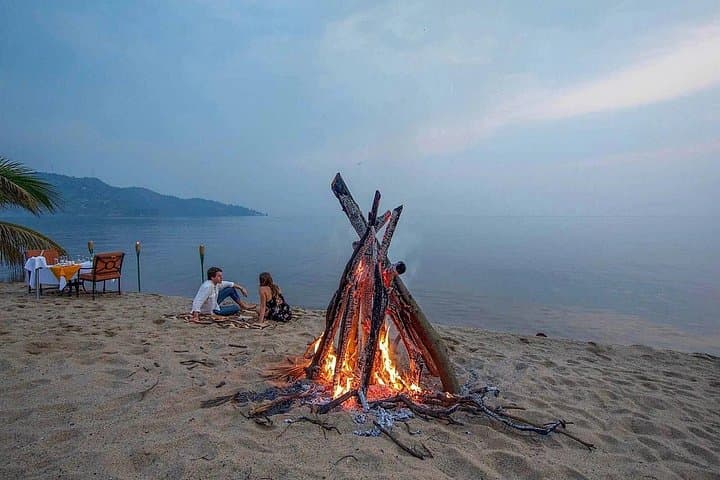

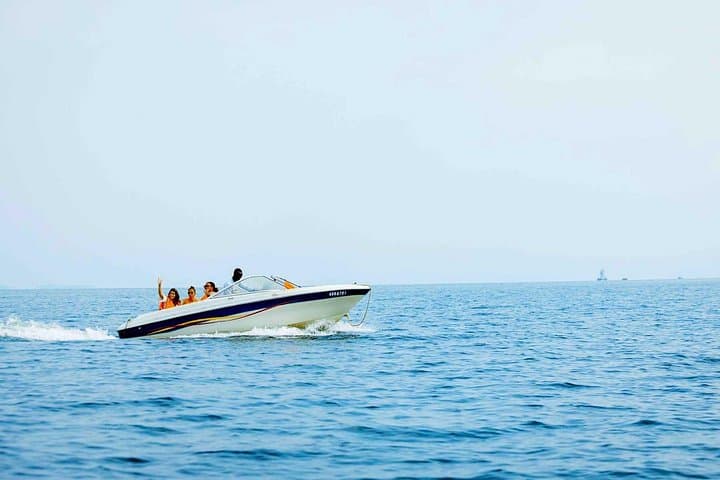

The day opens with a dawn drive out of Kigali, the city’s concrete giving way to a rolling green of terraces and banana stands. Hills lean into one another like pages in a book, and by mid-morning the shoreline of Lake Kivu appears — a rim of beach, fishing boats, and a breeze that immediately cools the ascent of heat.
The day opens with a dawn drive out of Kigali, the city’s concrete giving way to a rolling green of terraces and banana stands. Hills lean into one another like pages in a book, and by mid-morning the shoreline of Lake Kivu appears — a rim of beach, fishing boats, and a breeze that immediately cools the ascent of heat.
This route threads colonial-era resort towns, volcanic ridgelines, and freshwater bays. Rubavu (formerly Gisenyi) grew as a lakeside escape in the early 20th century; stone piers and old hotel façades still hint at that era while fishermen launch wooden boats into Kivu’s deep, placid water. Geologically, the lake sits in the western rift valley where volcanic activity and tectonic movement shaped steep coasts and hidden springs; the hot springs you’ll visit are driven by heat moving through faulted rock.
Culturally, the day includes a village stop where daily tasks — weaving, coffee processing, and storytelling — are practical windows into Rwandan life rather than staged performances.
Practical guidance: expect a full 10-hour day with several short walks (30–90 minutes) over uneven, sometimes muddy terrain. Wear sturdy walking shoes, bring sun protection and swimwear for the boat and springs, and carry at least 1–2 liters of water. Boat rides on Kivu are calm but bring motion-sickness medication if you’re sensitive. Respect local customs at village visits — ask before photographing people and accept food or tea politely.
Timing matters: start early to avoid afternoon rains, and keep a light waterproof layer for sudden showers. By sunset the lake often calms and the hills glow — an ideal moment for a quiet lakeshore walk before the return drive to Kigali.