THE ADVENTURE COLLECTIVE® · Independent discovery and booking for outdoor travel

Spend a full day in Lake Manyara National Park watching flamingos, elephants and the rare tree-climbing lions. This compact Rift Valley park pairs superb birding with reliable big-game viewing on a convenient day trip from Arusha.
Spend a full day in Lake Manyara National Park watching flamingos, elephants and the rare tree-climbing lions. This compact Rift Valley park pairs superb birding with reliable big-game viewing on a convenient day trip from Arusha.
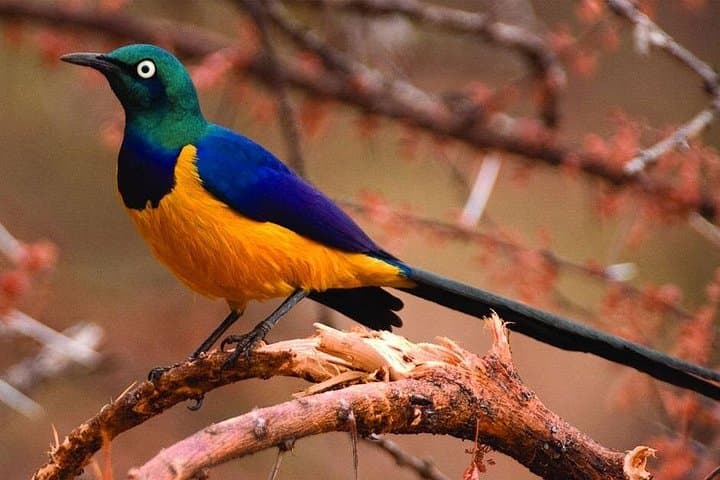
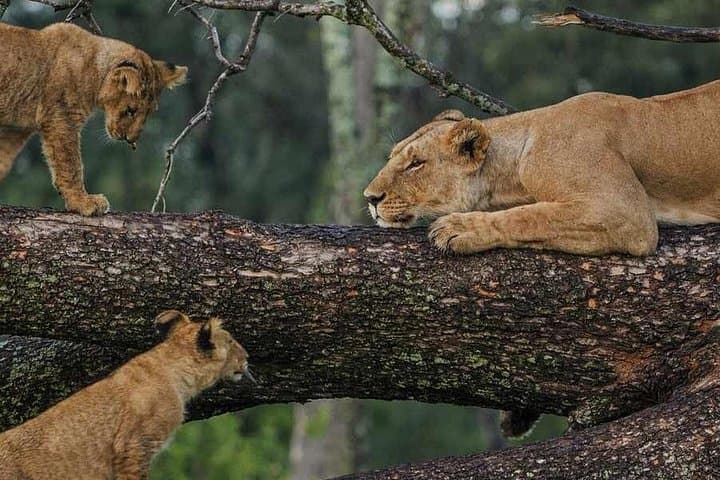
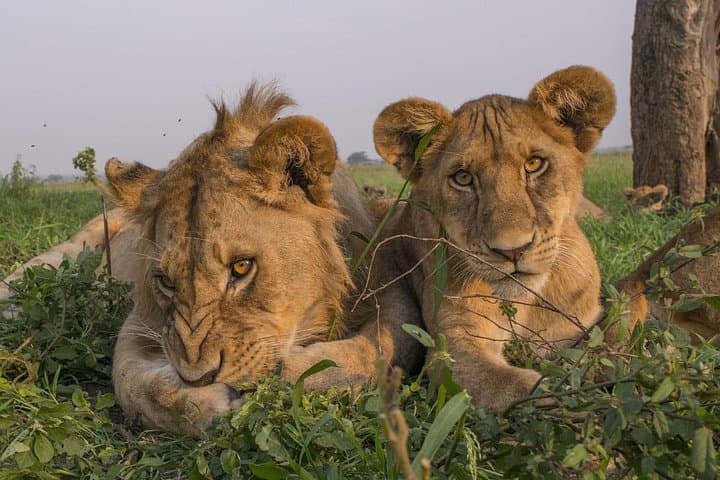
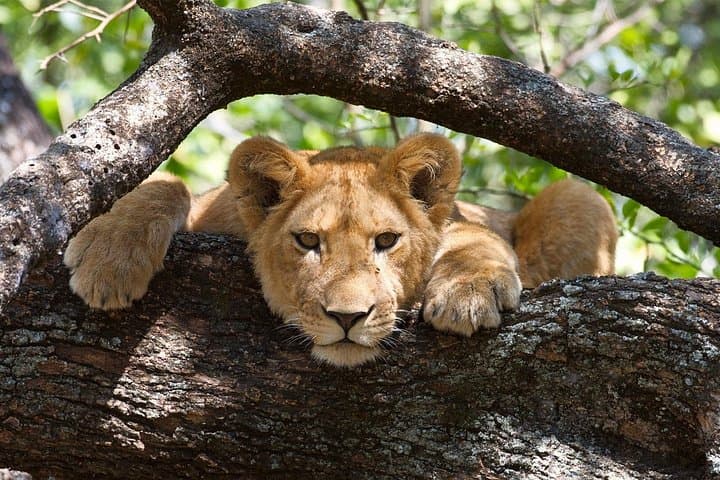
Dawn breaks over the alkaline rim of Lake Manyara and flamingos stand like punctuation along the shore while the forest beyond begins to breathe. A day here moves between bright, reflective flats and shaded acacia corridors: the water dares you close to its edge, the escarpment pushes the skyline into a hard line. Drivers turn tracks into vantage points, and the rhythm of the park is measured in sightings—flocks rising, a bull elephant threading through dense woodland, the slow, almost deliberate quiet of a lion up a fig tree.
Verified experiences and guided adventures in the surrounding area.
Operated by MORAKA AFRICA SAFARIS · Arusha, Manyara Region
Dawn breaks over the alkaline rim of Lake Manyara and flamingos stand like punctuation along the shore while the forest beyond begins to breathe. A day here moves between bright, reflective flats and shaded acacia corridors: the water dares you close to its edge, the escarpment pushes the skyline into a hard line. Drivers turn tracks into vantage points, and the rhythm of the park is measured in sightings—flocks rising, a bull elephant threading through dense woodland, the slow, almost deliberate quiet of a lion up a fig tree.
Geologically the park sits in the western arm of the Great Rift Valley; the shallow, mineral-rich lake and the adjacent escarpment create microhabitats that support hundreds of bird species and a compact population of big game. Culturally, the park borders Mto wa Mbu and small farming communities, whose rice paddies and banana groves frame the approach and supply the roadside lunches that punctuate many safaris.
On a day trip from Arusha expect a 2–3 hour transfer each way, a morning and afternoon game-drive loop with a picnic lunch, and interpretive stops to scan wetlands and woodland. Tracks vary from smooth graded roads to dusty, washboard lanes; short walks at viewpoints are optional. Practical advice: go early for flamingos and cooler light, carry binoculars and insect repellent, layer for warm days and cooler mornings, and keep camera batteries charged — opportunities can appear and vanish within a single heartbeat.
Most operators take about 2 to 3 hours each way depending on traffic and stops; expect a full-day excursion lasting roughly 6–7 hours including travel.
Tree-climbing lions are an iconic behavior here but sightings are not guaranteed; they are less common than other animals, so luck and timing help.
Yes—game drives are low-impact and the tour is described as suitable for all fitness levels, though long vehicle time may be uncomfortable for some passengers.
Birds like flamingos and pelicans, as well as elephants, giraffes, baboons and various antelopes, are commonly seen on typical drives.
MORAKA AFRICA SAFARIS operates guided outdoor trips and adventures with an emphasis on safety, stewardship, and memorable experiences.
Dawn breaks over the alkaline rim of Lake Manyara and flamingos stand like punctuation along the shore while the forest beyond begins to breathe. A day here moves between bright, reflective flats and shaded acacia corridors: the water dares you close to its edge, the escarpment pushes the skyline into a hard line. Drivers turn tracks into vantage points, and the rhythm of the park is measured in sightings—flocks rising, a bull elephant threading through dense woodland, the slow, almost deliberate quiet of a lion up a fig tree.
Dawn breaks over the alkaline rim of Lake Manyara and flamingos stand like punctuation along the shore while the forest beyond begins to breathe. A day here moves between bright, reflective flats and shaded acacia corridors: the water dares you close to its edge, the escarpment pushes the skyline into a hard line. Drivers turn tracks into vantage points, and the rhythm of the park is measured in sightings—flocks rising, a bull elephant threading through dense woodland, the slow, almost deliberate quiet of a lion up a fig tree.
Geologically the park sits in the western arm of the Great Rift Valley; the shallow, mineral-rich lake and the adjacent escarpment create microhabitats that support hundreds of bird species and a compact population of big game. Culturally, the park borders Mto wa Mbu and small farming communities, whose rice paddies and banana groves frame the approach and supply the roadside lunches that punctuate many safaris.
On a day trip from Arusha expect a 2–3 hour transfer each way, a morning and afternoon game-drive loop with a picnic lunch, and interpretive stops to scan wetlands and woodland. Tracks vary from smooth graded roads to dusty, washboard lanes; short walks at viewpoints are optional. Practical advice: go early for flamingos and cooler light, carry binoculars and insect repellent, layer for warm days and cooler mornings, and keep camera batteries charged — opportunities can appear and vanish within a single heartbeat.