THE ADVENTURE COLLECTIVE® · Independent discovery and booking for outdoor travel

Spend a full day exploring Lake Manyara National Park from Arusha, where alkaline shores draw flamingos and woodlands hide giraffes and tree-climbing lions. This vehicle-based safari balances relaxed wildlife watching with crisp logistical planning.
Spend a full day exploring Lake Manyara National Park from Arusha, where alkaline shores draw flamingos and woodlands hide giraffes and tree-climbing lions. This vehicle-based safari balances relaxed wildlife watching with crisp logistical planning.
A low sun silhouettes the Rift Valley as the 4x4 eases onto a dusty track toward Lake Manyara. Early morning light cuts through fever trees and acacia as birds wheel over the alkaline margins; the air carries dust, diesel and the distant trumpeting of elephants. This is a day safari that moves with patience — not a sprint — giving wildlife room to appear on their own terms.
Verified experiences and guided adventures in the surrounding area.
Operated by Tan Spirit Safari · Arusha, Arusha Region
A low sun silhouettes the Rift Valley as the 4x4 eases onto a dusty track toward Lake Manyara. Early morning light cuts through fever trees and acacia as birds wheel over the alkaline margins; the air carries dust, diesel and the distant trumpeting of elephants. This is a day safari that moves with patience — not a sprint — giving wildlife room to appear on their own terms.
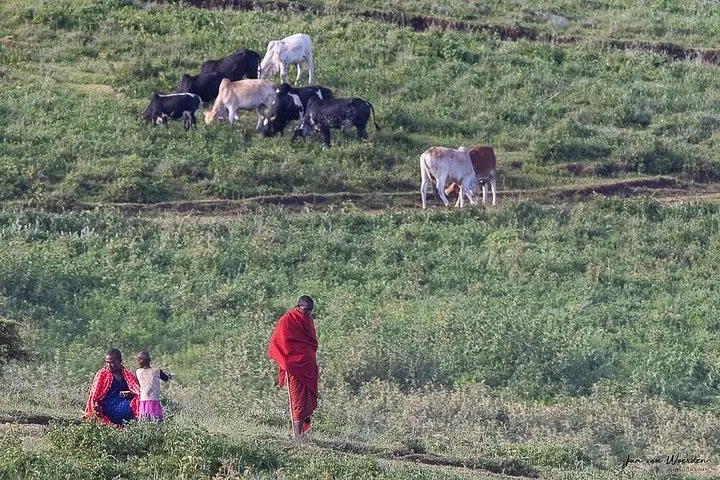
Lake Manyara sits on the floor of the Great Rift Valley, its alkaline waters edged by papyrus, shallow marsh and a narrow strip of groundwater forest. The park was set aside in the mid-20th century to protect wetland and forest habitat; its geology — rift escarpments and volcanic soils — shapes distinct vegetation zones and the migratory routes of wildlife. Culturally, the area intersects with Maa-speaking communities; markets in nearby Mto wa Mbu offer a snapshot of daily life and staple crops.
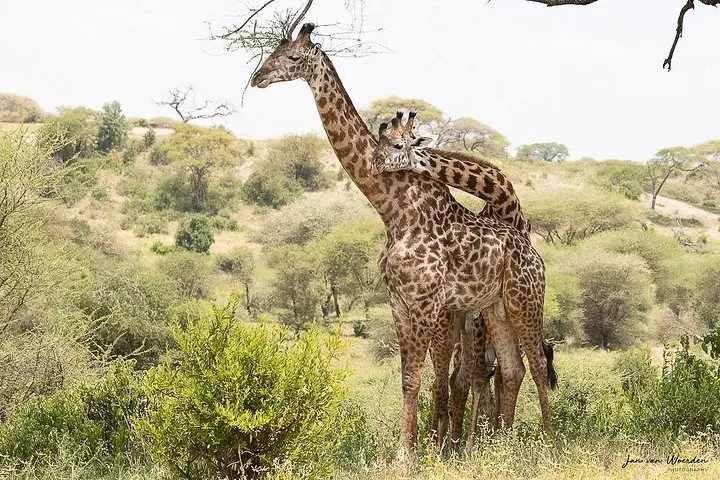
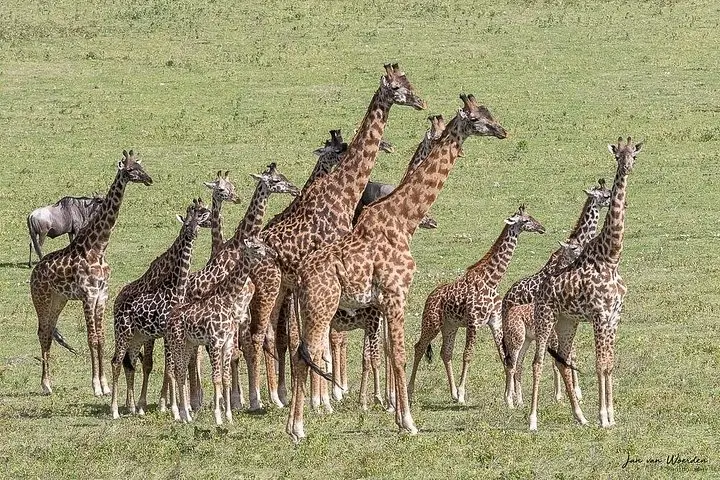
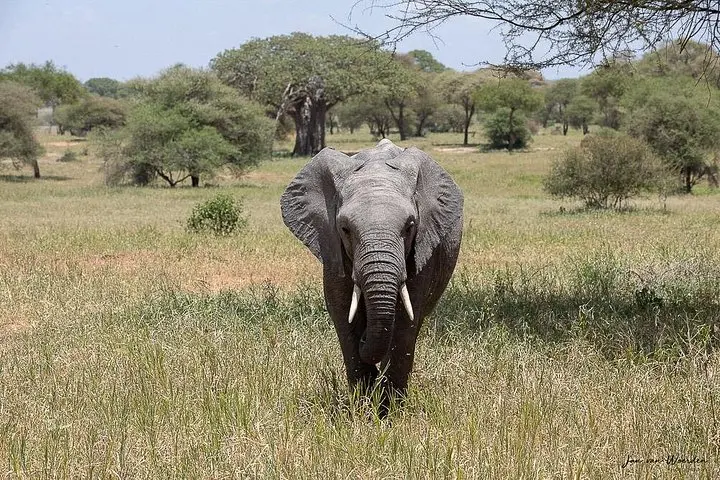
Expect a vehicle-based day: game drives along forest lanes, stops at viewpoints, and a picnic lunch in a designated area. Sightings commonly include flamingos and other waterbirds, giraffes, elephant herds, baboons and, with luck, the occasional tree-climbing lion. Photography windows are frequent but brief; binoculars and a steady tripod help.
Practical guidance: start early to catch feeding times, carry layered clothing against wind off the lake, bring sun protection and refillable water, and follow park rules — keep noise low and windows partially closed when predators are near. The route is accessible for most travelers; minimal walking is required, but expect several hours seated in an open 4x4 with uneven roads.
Flamingo numbers fluctuate with water levels; the dry season (June–October) often concentrates birds on remaining shallows, but sightings can occur year-round depending on rainfall.
Tree-climbing lions are an iconic behavior in the park but are not guaranteed — sightings depend on luck, season, and recent pride behavior.
The tour is vehicle-based and listed as wheelchair accessible; short walks may be optional, but check operator details for vehicle boarding assistance and infant seats.
Drive time is roughly 1.5–2 hours each way depending on traffic and route; tours typically start early morning (pre-7am) to maximize wildlife activity.
Tan Spirit Safari operates guided outdoor trips and adventures with an emphasis on safety, stewardship, and memorable experiences.
A low sun silhouettes the Rift Valley as the 4x4 eases onto a dusty track toward Lake Manyara. Early morning light cuts through fever trees and acacia as birds wheel over the alkaline margins; the air carries dust, diesel and the distant trumpeting of elephants. This is a day safari that moves with patience — not a sprint — giving wildlife room to appear on their own terms.
A low sun silhouettes the Rift Valley as the 4x4 eases onto a dusty track toward Lake Manyara. Early morning light cuts through fever trees and acacia as birds wheel over the alkaline margins; the air carries dust, diesel and the distant trumpeting of elephants. This is a day safari that moves with patience — not a sprint — giving wildlife room to appear on their own terms.
Lake Manyara sits on the floor of the Great Rift Valley, its alkaline waters edged by papyrus, shallow marsh and a narrow strip of groundwater forest. The park was set aside in the mid-20th century to protect wetland and forest habitat; its geology — rift escarpments and volcanic soils — shapes distinct vegetation zones and the migratory routes of wildlife. Culturally, the area intersects with Maa-speaking communities; markets in nearby Mto wa Mbu offer a snapshot of daily life and staple crops.
Expect a vehicle-based day: game drives along forest lanes, stops at viewpoints, and a picnic lunch in a designated area. Sightings commonly include flamingos and other waterbirds, giraffes, elephant herds, baboons and, with luck, the occasional tree-climbing lion. Photography windows are frequent but brief; binoculars and a steady tripod help.
Practical guidance: start early to catch feeding times, carry layered clothing against wind off the lake, bring sun protection and refillable water, and follow park rules — keep noise low and windows partially closed when predators are near. The route is accessible for most travelers; minimal walking is required, but expect several hours seated in an open 4x4 with uneven roads.