THE ADVENTURE COLLECTIVE® · Independent discovery and booking for outdoor travel

Spend a full day exploring Lake Manyara National Park’s mix of alkaline flats, groundwater forest and escarpment — a compact park where flamingos, elephants and the rare tree-climbing lion are often on view. Practical, transport-inclusive day safaris run from Arusha with expert local guides.
Spend a full day exploring Lake Manyara National Park’s mix of alkaline flats, groundwater forest and escarpment — a compact park where flamingos, elephants and the rare tree-climbing lion are often on view. Practical, transport-inclusive day safaris run from Arusha with expert local guides.
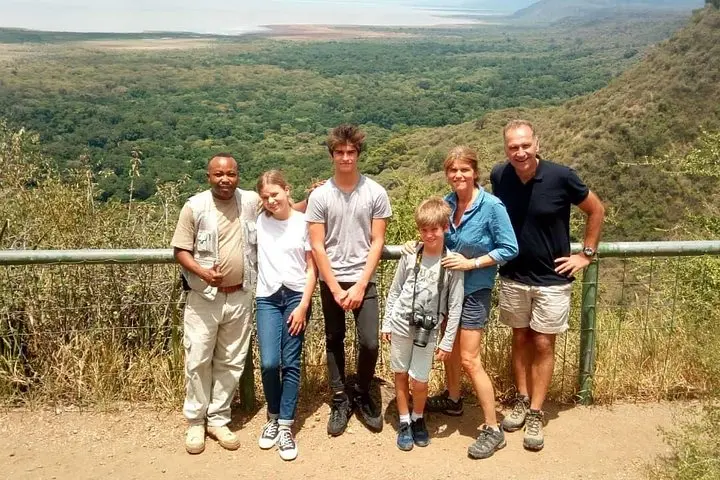
A morning on the road from Arusha resolves into light, acacia silhouettes and the Rift Valley dropping away to reveal an alkaline sheen — Lake Manyara — hemmed by groundwater forest and a scarp of volcanic rock. On a full-day circuit you move between open floodplain, forested slopes and the flamingo-stippled shallows, each habitat offering a different pace and promise.
Verified experiences and guided adventures in the surrounding area.
Operated by Rupia Adventure · Arusha, Manyara Region
A morning on the road from Arusha resolves into light, acacia silhouettes and the Rift Valley dropping away to reveal an alkaline sheen — Lake Manyara — hemmed by groundwater forest and a scarp of volcanic rock. On a full-day circuit you move between open floodplain, forested slopes and the flamingo-stippled shallows, each habitat offering a different pace and promise.
Geologically the park sits on the eastern edge of the Great Rift Valley; volcanic escarpments feed springs that sustain a surprising wetland in an otherwise dry landscape. Culturally, the area is woven with small-scale agriculture and towns like Mto wa Mbu where market traders and guides intersect; the park’s protection reflects mid-20th century conservation priorities to safeguard unique birdlife and large mammals.
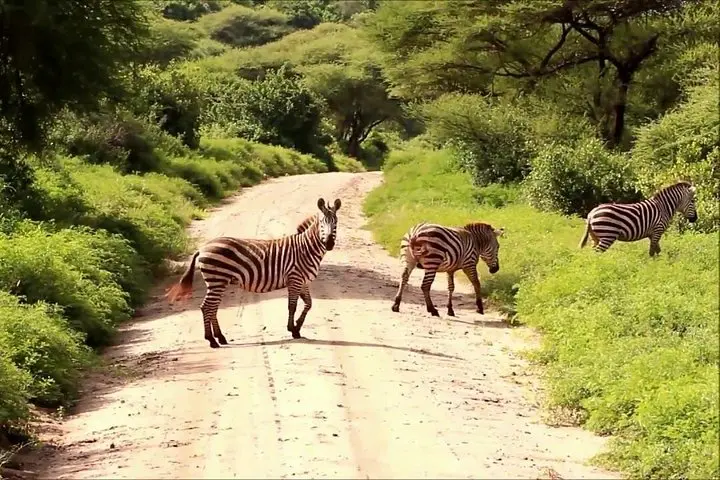
Expect concentrated wildlife viewing in relatively compact terrain: large herds of wildebeest and impala on the plains, elephants in the woodland, troops of baboons, and the much-talked-about tree-climbing lions perched in acacia branches when conditions allow. Birders will find pelicans, cormorants and the seasonal flush of flamingos along the lake edge.
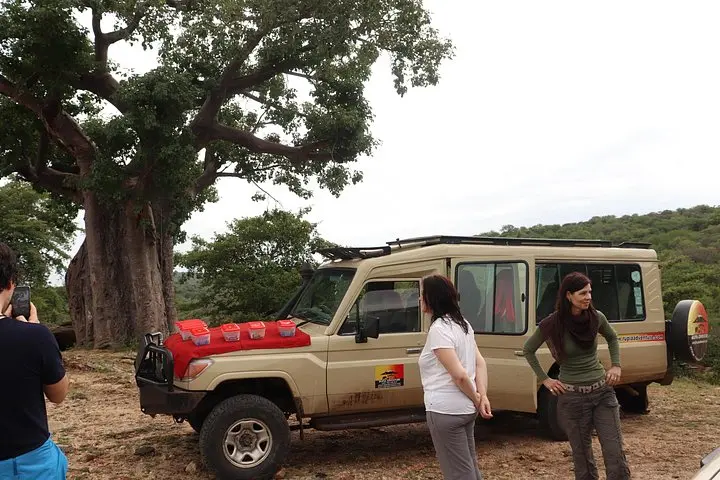
Practicalities: tours typically run ~8 hours with private transport provided from Arusha, a picnic lunch, and a shared small-group vehicle. Best light and activity are early morning and late afternoon — plan to carry water, sun protection and binoculars. Roads inside the park are mostly dirt; expect short bumpy stretches. Wildlife is never guaranteed, so patience, quiet and following your guide’s directions produce the best encounters. The day trip is an accessible, high-reward introduction to northern Tanzania’s Rift Valley ecosystems.
Most departures are full-day tours (~8 hours) including pickup, game drives in the park and return to Arusha.
Flamingos are common along the lake when water and algae conditions are right; tree-climbing lions are a famed local behavior but sightings depend on luck and season.
This operator’s itinerary states transport and fees are included and typically provides a picnic lunch—confirm at booking for specifics.
Yes—vehicles and short walks are family-friendly; inform the operator about ages and any mobility needs when booking.
Rupia Adventure operates guided outdoor trips and adventures with an emphasis on safety, stewardship, and memorable experiences.
A morning on the road from Arusha resolves into light, acacia silhouettes and the Rift Valley dropping away to reveal an alkaline sheen — Lake Manyara — hemmed by groundwater forest and a scarp of volcanic rock. On a full-day circuit you move between open floodplain, forested slopes and the flamingo-stippled shallows, each habitat offering a different pace and promise.
A morning on the road from Arusha resolves into light, acacia silhouettes and the Rift Valley dropping away to reveal an alkaline sheen — Lake Manyara — hemmed by groundwater forest and a scarp of volcanic rock. On a full-day circuit you move between open floodplain, forested slopes and the flamingo-stippled shallows, each habitat offering a different pace and promise.
Geologically the park sits on the eastern edge of the Great Rift Valley; volcanic escarpments feed springs that sustain a surprising wetland in an otherwise dry landscape. Culturally, the area is woven with small-scale agriculture and towns like Mto wa Mbu where market traders and guides intersect; the park’s protection reflects mid-20th century conservation priorities to safeguard unique birdlife and large mammals.
Expect concentrated wildlife viewing in relatively compact terrain: large herds of wildebeest and impala on the plains, elephants in the woodland, troops of baboons, and the much-talked-about tree-climbing lions perched in acacia branches when conditions allow. Birders will find pelicans, cormorants and the seasonal flush of flamingos along the lake edge.
Practicalities: tours typically run ~8 hours with private transport provided from Arusha, a picnic lunch, and a shared small-group vehicle. Best light and activity are early morning and late afternoon — plan to carry water, sun protection and binoculars. Roads inside the park are mostly dirt; expect short bumpy stretches. Wildlife is never guaranteed, so patience, quiet and following your guide’s directions produce the best encounters. The day trip is an accessible, high-reward introduction to northern Tanzania’s Rift Valley ecosystems.