THE ADVENTURE COLLECTIVE® · Independent discovery and booking for outdoor travel

Spend a full day from Arusha exploring Lake Manyara National Park: game drives through groundwater forest, flamingo-watching at the soda lake, and the chance to spot tree-climbing lions. This practical guide covers what to expect, seasonal highlights, and essential packing tips.
Spend a full day from Arusha exploring Lake Manyara National Park: game drives through groundwater forest, flamingo-watching at the soda lake, and the chance to spot tree-climbing lions. This practical guide covers what to expect, seasonal highlights, and essential packing tips.
Early light lifts off the slopes of the Ngorongoro highlands and the van hums south toward a mirror of shallow water and fevered pink at the edge of Lake Manyara. Travelers arrive into a landscape where acacia woodlands give way to a flat soda lake teeming with waterfowl and a surprising cast of mammals—hippo grunts, elephant silhouettes, and the odd lion draped in low branches.
Verified experiences and guided adventures in the surrounding area.
Operated by Oltumure Tours & Safaris · Mto wa Mbu, Manyara Region
Early light lifts off the slopes of the Ngorongoro highlands and the van hums south toward a mirror of shallow water and fevered pink at the edge of Lake Manyara. Travelers arrive into a landscape where acacia woodlands give way to a flat soda lake teeming with waterfowl and a surprising cast of mammals—hippo grunts, elephant silhouettes, and the odd lion draped in low branches.
Lake Manyara National Park sits on the eastern rift escarpment and occupies a mix of groundwater forest, alkaline lake, and seasonal floodplain. Formed by tectonic rifting and fed by springs along the Rift, the park’s geology creates the groundwater forest that supports its famous tree-climbing lions. Culturally, the lakeshore communities—centered around Mto wa Mbu—offer a blend of Maasai and Meru influences and small-scale agriculture that frames many visits.
On an 8-hour day trip from Arusha expect a morning pick-up, a full game drive with a picnic lunch, and late-afternoon return. Wildlife viewing concentrates along the park’s roadside loops; flamingo flocks gather on shallow flats September–November and during short rains.
Practical guidance: wear breathable layers and sturdy shoes for short walks, carry sun protection and water, and bring binoculars and a zoom lens for distance viewing. Roads can be dusty and bumping—secure loose items and bring motion-sickness remedies if needed. Guides will brief on safe distances from wildlife; keep windows partially closed near elephants and buffalo. With modest walking and an emphasis on vehicle-based viewing, this day trip is accessible to most visitors who want concentrated wildlife viewing within a single, manageable day out of Arusha.
Pickup in Arusha to the park gate is roughly 1.5–2 hours each way depending on traffic and exact pickup point; the full excursion runs about 8 hours.
Yes—tree-climbing lions are often seen in the groundwater forest and flamingos gather seasonally on the lake, especially during high-water months (short rains/Sept–Nov). Sightings depend on season and luck.
The tour is vehicle-based with short walks; it’s generally suitable for children and most travelers, but not recommended for those with serious spinal or cardiovascular conditions as noted by the operator.
Dry months (June–Oct) concentrate game around water and improve road access; flamingos peak around Sep–Nov. Wet months can be greener but roads may be muddier.
Oltumure Tours & Safaris operates guided outdoor trips and adventures with an emphasis on safety, stewardship, and memorable experiences.
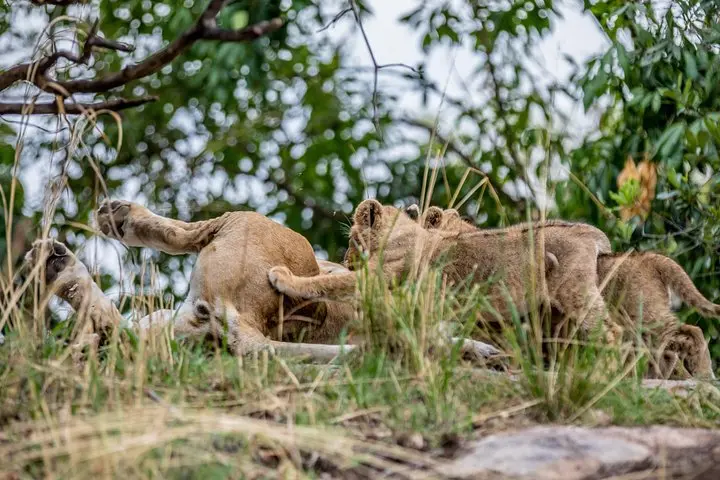
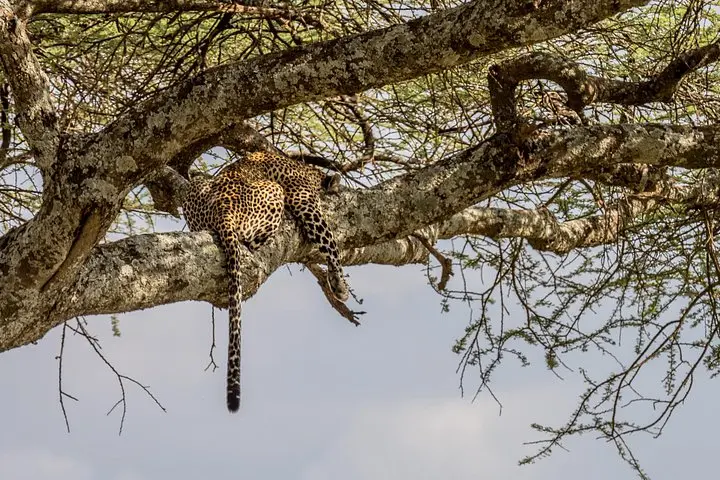
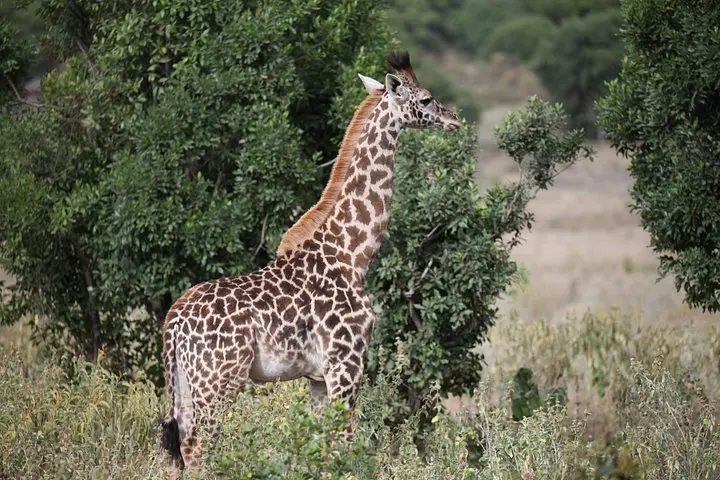
Early light lifts off the slopes of the Ngorongoro highlands and the van hums south toward a mirror of shallow water and fevered pink at the edge of Lake Manyara. Travelers arrive into a landscape where acacia woodlands give way to a flat soda lake teeming with waterfowl and a surprising cast of mammals—hippo grunts, elephant silhouettes, and the odd lion draped in low branches.
Early light lifts off the slopes of the Ngorongoro highlands and the van hums south toward a mirror of shallow water and fevered pink at the edge of Lake Manyara. Travelers arrive into a landscape where acacia woodlands give way to a flat soda lake teeming with waterfowl and a surprising cast of mammals—hippo grunts, elephant silhouettes, and the odd lion draped in low branches.
Lake Manyara National Park sits on the eastern rift escarpment and occupies a mix of groundwater forest, alkaline lake, and seasonal floodplain. Formed by tectonic rifting and fed by springs along the Rift, the park’s geology creates the groundwater forest that supports its famous tree-climbing lions. Culturally, the lakeshore communities—centered around Mto wa Mbu—offer a blend of Maasai and Meru influences and small-scale agriculture that frames many visits.
On an 8-hour day trip from Arusha expect a morning pick-up, a full game drive with a picnic lunch, and late-afternoon return. Wildlife viewing concentrates along the park’s roadside loops; flamingo flocks gather on shallow flats September–November and during short rains.
Practical guidance: wear breathable layers and sturdy shoes for short walks, carry sun protection and water, and bring binoculars and a zoom lens for distance viewing. Roads can be dusty and bumping—secure loose items and bring motion-sickness remedies if needed. Guides will brief on safe distances from wildlife; keep windows partially closed near elephants and buffalo. With modest walking and an emphasis on vehicle-based viewing, this day trip is accessible to most visitors who want concentrated wildlife viewing within a single, manageable day out of Arusha.