THE ADVENTURE COLLECTIVE® · Independent discovery and booking for outdoor travel

Spend a day along the Rift Valley’s western rim where flamingo-flushed shallows meet acacia woodland and the rare sight of tree-climbing lions. This practical day trip pairs intense birdlife and reliable big-game viewing with a village visit.
Spend a day along the Rift Valley’s western rim where flamingo-flushed shallows meet acacia woodland and the rare sight of tree-climbing lions. This practical day trip pairs intense birdlife and reliable big-game viewing with a village visit.
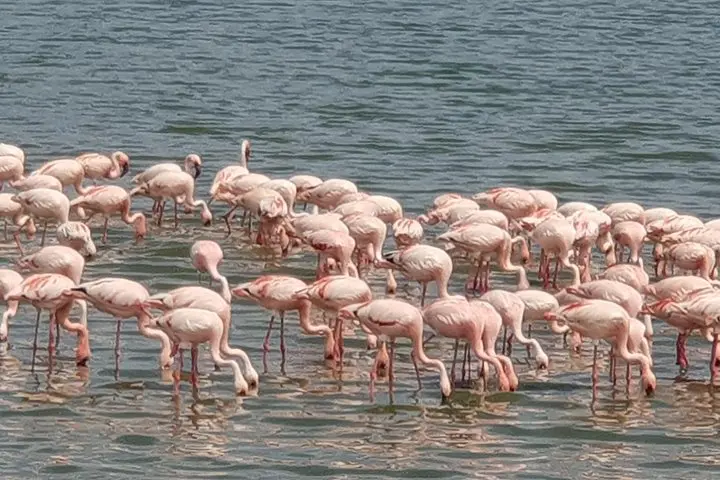
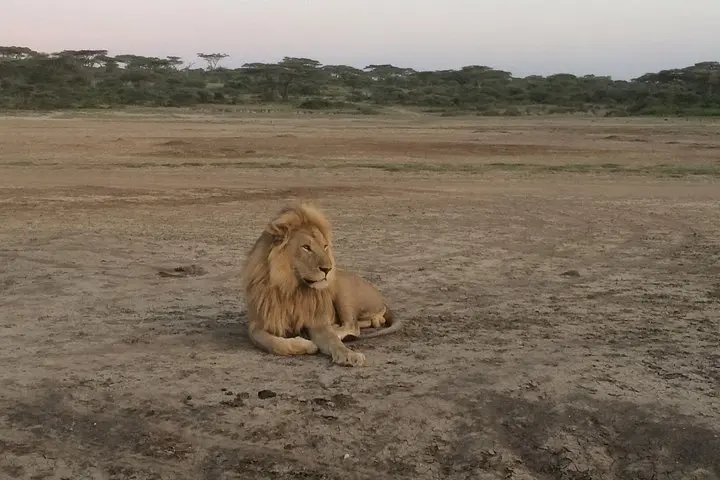
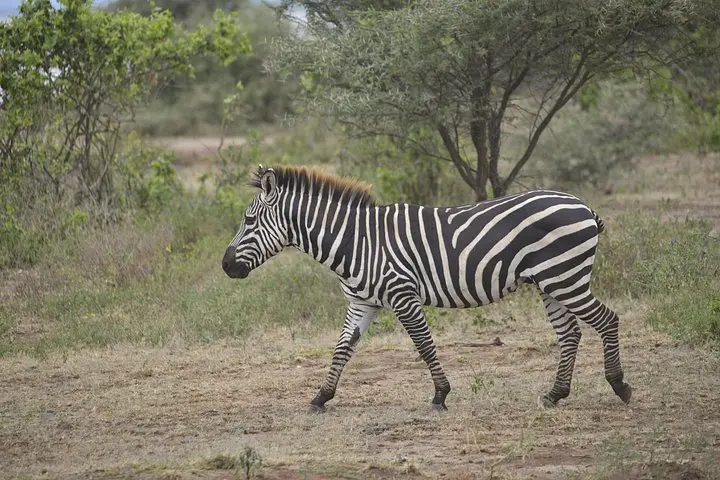
The jeep eases off the main road and the Rift Valley opens—steep escarpment on one side, a mirror of soda lake on the other. Flamingos stain the shallows pink, herds of impala scatter at the edge of acacia woodland, and, if luck is on your side, a lion reclines in the low boughs, surveying the plain.
Verified experiences and guided adventures in the surrounding area.
Operated by African Choice Safari · Mto wa Mbu, Manyara Region
The jeep eases off the main road and the Rift Valley opens—steep escarpment on one side, a mirror of soda lake on the other. Flamingos stain the shallows pink, herds of impala scatter at the edge of acacia woodland, and, if luck is on your side, a lion reclines in the low boughs, surveying the plain.
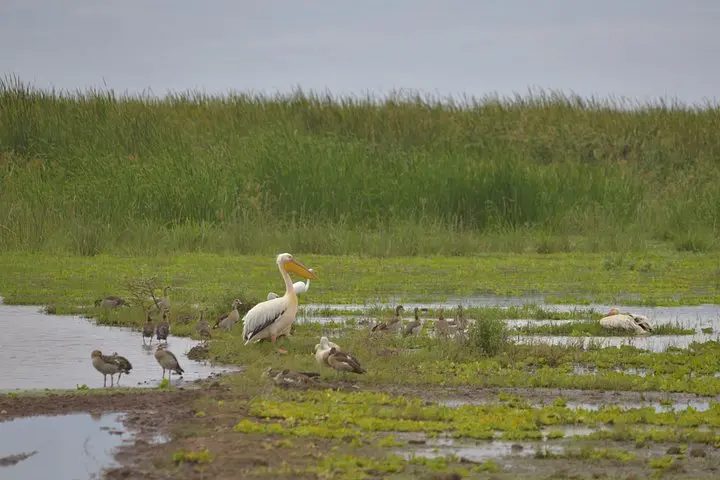
Lake Manyara National Park sits at the western rim of the East African Rift. Geologically young, the shallow soda lake supports dense birdlife because its alkaline waters feed brine shrimp and insects. The park was designated in the 1960s and has long been famous for its tree-climbing lions and varied habitats—groundwater forest, open grasslands, and the lake itself.
Culturally, the park fringes Mto wa Mbu, a bustling village where market stalls, rice paddies and small-scale farms show the human side of the valley. A village visit included in many day trips introduces local life and crafts without disrupting daily routines.
Practical guide: this is an eight-hour outing with park fees and a picnic lunch typically included; expect 1.5–2.5 hours’ drive each way depending on your pick-up point. Game viewing is by open-sided vehicle on mostly flat, unpaved tracks—short walks are possible but not required. Bring binoculars, sun protection, a light waterproof in the short-rain season, and closed shoes for uneven ground. Start early for cool temperatures and the best light for photography, and keep voices low—wildlife responds to calm behavior. The day is accessible to most fitness levels and rewards patience: the plateau and shoreline change with the light, and animals can surprise you at any turn.
Drive time varies by pick-up location—plan on roughly 1.5–2.5 hours each way from Arusha; your tour operator will confirm exact timing.
Many day-trip packages include park fees, picnic lunch and mineral water—check the booking inclusions before you go.
Tree-climbing lions are a signature of Lake Manyara but sightings aren’t guaranteed; they’re more likely in the dry season when prey concentrates near the lake.
Yes—this is generally an easy, vehicle-based day trip accessible to most ages, though expect some road bumps and limited walking.
African Choice Safari operates guided outdoor trips and adventures with an emphasis on safety, stewardship, and memorable experiences.
The jeep eases off the main road and the Rift Valley opens—steep escarpment on one side, a mirror of soda lake on the other. Flamingos stain the shallows pink, herds of impala scatter at the edge of acacia woodland, and, if luck is on your side, a lion reclines in the low boughs, surveying the plain.
The jeep eases off the main road and the Rift Valley opens—steep escarpment on one side, a mirror of soda lake on the other. Flamingos stain the shallows pink, herds of impala scatter at the edge of acacia woodland, and, if luck is on your side, a lion reclines in the low boughs, surveying the plain.
Lake Manyara National Park sits at the western rim of the East African Rift. Geologically young, the shallow soda lake supports dense birdlife because its alkaline waters feed brine shrimp and insects. The park was designated in the 1960s and has long been famous for its tree-climbing lions and varied habitats—groundwater forest, open grasslands, and the lake itself.
Culturally, the park fringes Mto wa Mbu, a bustling village where market stalls, rice paddies and small-scale farms show the human side of the valley. A village visit included in many day trips introduces local life and crafts without disrupting daily routines.
Practical guide: this is an eight-hour outing with park fees and a picnic lunch typically included; expect 1.5–2.5 hours’ drive each way depending on your pick-up point. Game viewing is by open-sided vehicle on mostly flat, unpaved tracks—short walks are possible but not required. Bring binoculars, sun protection, a light waterproof in the short-rain season, and closed shoes for uneven ground. Start early for cool temperatures and the best light for photography, and keep voices low—wildlife responds to calm behavior. The day is accessible to most fitness levels and rewards patience: the plateau and shoreline change with the light, and animals can surprise you at any turn.