THE ADVENTURE COLLECTIVE® · Independent discovery and booking for outdoor travel

A six-hour game drive from Arusha into Lake Manyara National Park delivers tree-climbing lions, dense birdlife and sweeping lake vistas. This guide explains what you'll see, why the landscape matters, and how to prepare for a comfortable, camera-ready day in the park.
A six-hour game drive from Arusha into Lake Manyara National Park delivers tree-climbing lions, dense birdlife and sweeping lake vistas. This guide explains what you'll see, why the landscape matters, and how to prepare for a comfortable, camera-ready day in the park.
You roll out of Arusha before dawn, the Land Cruiser humming as the Rift Valley escarpment sharpens on the horizon. By mid-morning the road drops into a green bowl: acacia woodlands give way to the reflective sweep of a shallow soda lake, and the air fills with gulls, herons and the high, nasal calls of pelicans.
Verified experiences and guided adventures in the surrounding area.
Operated by Travel Africa Safari Agency · Mto wa Mbu, Manyara Region
You roll out of Arusha before dawn, the Land Cruiser humming as the Rift Valley escarpment sharpens on the horizon. By mid-morning the road drops into a green bowl: acacia woodlands give way to the reflective sweep of a shallow soda lake, and the air fills with gulls, herons and the high, nasal calls of pelicans.
Lake Manyara sits at the base of the western Rift Valley, roughly 330 km² of lake, woodland and alkaline flats carved by volcanic uplift and seasonal floods. The park’s human history ties to Maasai grazing lands and small agricultural settlements at its margins—Mto wa Mbu has long been the market gateway for visitors. Geologically, Manyara is a shallow rift-lake whose fluctuating shoreline concentrates waterfowl and creates dramatic contrasts between flooded plains and forested terraces.
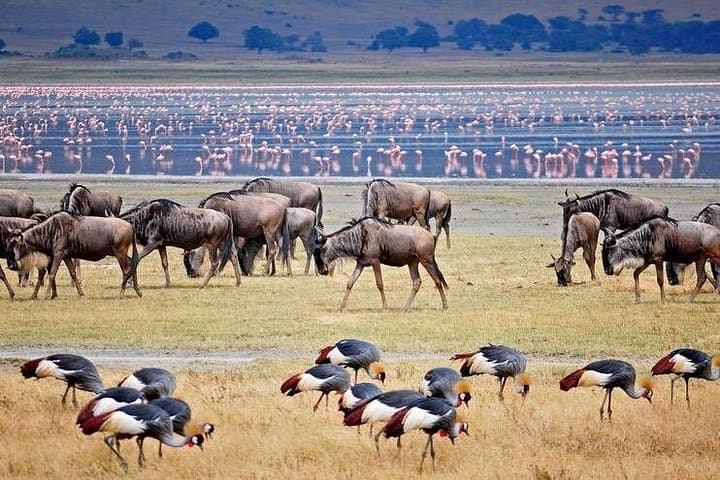
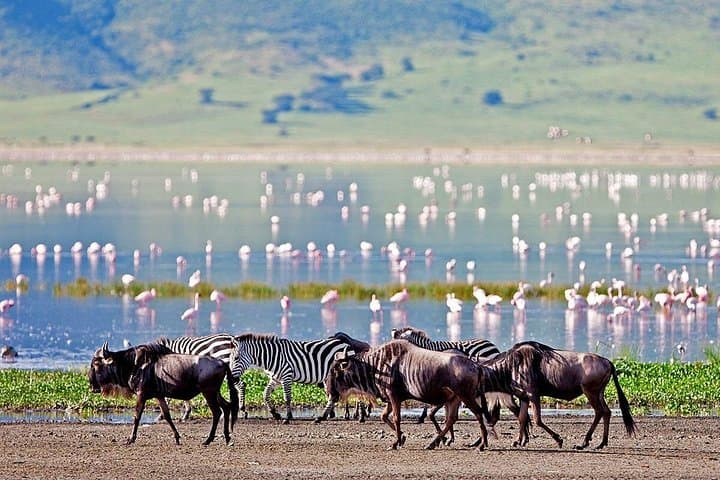
On a full-day game drive you’ll scan woodland platforms for the improbable sight of lions in fig trees, find giraffes and buffalo framed against the lake, and watch flocks of flamingos and kingfishers quarter the shallows. Guides read tracks and bird calls; boat excursions and bike rides are occasional add-ons for closer looks.
Practical tips: plan for a half-day to full-day out (this tour runs about six hours), bring binoculars, sun protection and a light rain layer in the wet season. Expect dusty, uneven tracks—flat-soled shoes and a steady stomach matter. Respect vehicle-only rules near sensitive habitats, keep distance from wildlife, and carry water and cash for park fees or tips. Morning light and late afternoon are best for photos and active wildlife; mid-day is quieter but good for birding and lakeshore views.
Driving time is typically 1.5–2 hours each way depending on traffic and road conditions; the tour itself is about six hours total.
Wildlife sightings cannot be guaranteed, but Manyara is known for tree-climbing lions and large populations of waterfowl—early starts improve chances.
Inclusions vary by operator; confirm whether park entrance fees, lunch and bottled water are included before booking.
The tour is generally family-friendly, but uneven ground and vehicle transfers may be challenging for some—check with the operator about accessibility and child policies.
Travel Africa Safari Agency operates guided outdoor trips and adventures with an emphasis on safety, stewardship, and memorable experiences.


You roll out of Arusha before dawn, the Land Cruiser humming as the Rift Valley escarpment sharpens on the horizon. By mid-morning the road drops into a green bowl: acacia woodlands give way to the reflective sweep of a shallow soda lake, and the air fills with gulls, herons and the high, nasal calls of pelicans.
You roll out of Arusha before dawn, the Land Cruiser humming as the Rift Valley escarpment sharpens on the horizon. By mid-morning the road drops into a green bowl: acacia woodlands give way to the reflective sweep of a shallow soda lake, and the air fills with gulls, herons and the high, nasal calls of pelicans.
Lake Manyara sits at the base of the western Rift Valley, roughly 330 km² of lake, woodland and alkaline flats carved by volcanic uplift and seasonal floods. The park’s human history ties to Maasai grazing lands and small agricultural settlements at its margins—Mto wa Mbu has long been the market gateway for visitors. Geologically, Manyara is a shallow rift-lake whose fluctuating shoreline concentrates waterfowl and creates dramatic contrasts between flooded plains and forested terraces.
On a full-day game drive you’ll scan woodland platforms for the improbable sight of lions in fig trees, find giraffes and buffalo framed against the lake, and watch flocks of flamingos and kingfishers quarter the shallows. Guides read tracks and bird calls; boat excursions and bike rides are occasional add-ons for closer looks.
Practical tips: plan for a half-day to full-day out (this tour runs about six hours), bring binoculars, sun protection and a light rain layer in the wet season. Expect dusty, uneven tracks—flat-soled shoes and a steady stomach matter. Respect vehicle-only rules near sensitive habitats, keep distance from wildlife, and carry water and cash for park fees or tips. Morning light and late afternoon are best for photos and active wildlife; mid-day is quieter but good for birding and lakeshore views.