THE ADVENTURE COLLECTIVE® · Independent discovery and booking for outdoor travel

Spend a day in Lake Manyara National Park watching flamingos scatter across the alkaline lake and scanning acacia crowns for tree-climbing lions. This compact Rift Valley park delivers varied habitats and concentrated wildlife viewing on an 8‑hour circuit from Arusha.
Spend a day in Lake Manyara National Park watching flamingos scatter across the alkaline lake and scanning acacia crowns for tree-climbing lions. This compact Rift Valley park delivers varied habitats and concentrated wildlife viewing on an 8‑hour circuit from Arusha.
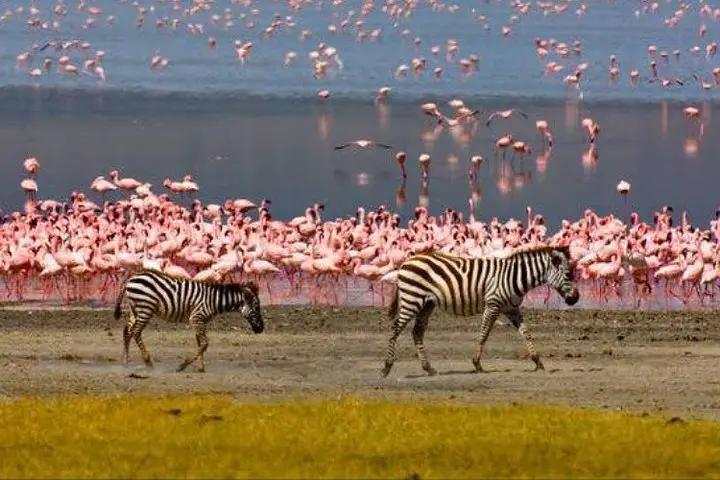
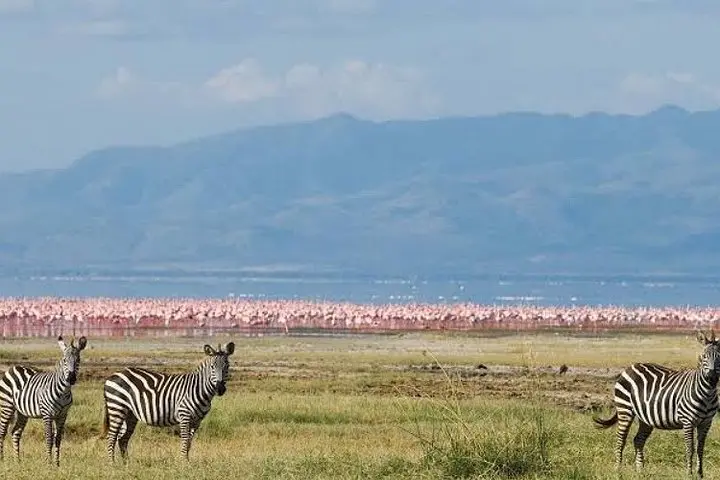
You step from the Land Cruiser into a ring of red soil and sky — the Rift Valley escarpment rising like a sudden wall to the west, the alkaline surface of Lake Manyara glinting to the east. Flamingos bob in shallow pink bands while acacia shade the tracks where troops of baboons hop and watch. A breeze off the lake pushes heat across the plain and carries the low rumble of hippos from hidden channels.
Verified experiences and guided adventures in the surrounding area.
Operated by SEASON MASTER ADVENTURES · Mto wa Mbu, Manyara Region
You step from the Land Cruiser into a ring of red soil and sky — the Rift Valley escarpment rising like a sudden wall to the west, the alkaline surface of Lake Manyara glinting to the east. Flamingos bob in shallow pink bands while acacia shade the tracks where troops of baboons hop and watch. A breeze off the lake pushes heat across the plain and carries the low rumble of hippos from hidden channels.
Lake Manyara sits in a narrow rift basin carved by tectonic forces; its alkaline shoreline and underground forest support an unusual mix of species. The park’s quick shift from escarpment forest to open lakeshore reflects millions of years of geological activity and seasonal hydrology. Local Maasai and Iraqw communities have long grazed these rimlands and now partner with lodges and guides, so visiting is also a cultural exchange — markets and roadside stalls near Mto wa Mbu sell fresh fruit and handcrafted beadwork.
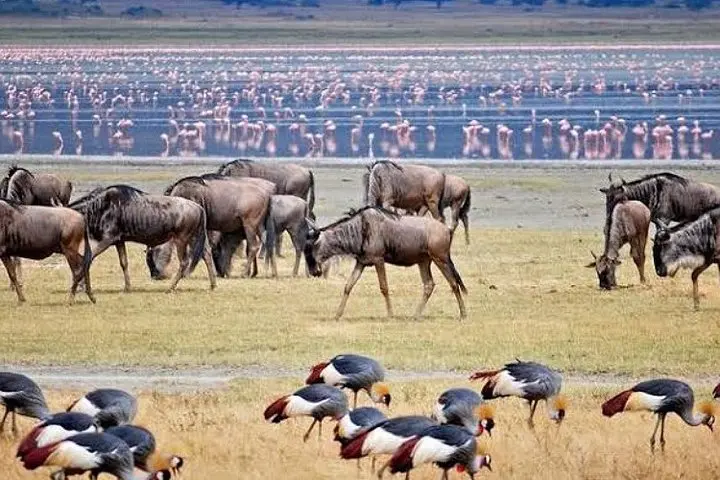
On a full-day circuit expect varied habitats and concentrated viewing: shores with waterfowl and flamingos, groves where monkeys and tree-climbing lions are often found, and open floodplain where elephants and buffaloes feed. Photographic stops are frequent and guides will position the vehicle for light and animal behavior.
Practical tips: travel time from Arusha is about 2–2.5 hours each way, plan for an 8-hour day with a packed lunch provided. Wear neutral clothing, bring binoculars and sun protection, and keep cameras ready for sudden sightings. Respect park rules: stay in the vehicle unless told otherwise, keep noise low, and carry reusable water to reduce plastic waste.
Expect about 2–2.5 hours each way depending on traffic and road conditions; the full excursion runs roughly 8 hours including game drives.
Yes — flamingos concentrate on the lake shore when water levels suit them, and tree-climbing lions are commonly observed in the forested areas and slopes; sightings depend on season and animal movement.
The tour accommodates all ages but is not recommended for pregnant travelers or those with serious back problems; infants may need to sit on laps according to operator policy.
Yes, this full-day safari typically includes park fees, a packed lunch, bottled water, and private English-speaking guide as stated in the tour inclusions.
SEASON MASTER ADVENTURES operates guided outdoor trips and adventures with an emphasis on safety, stewardship, and memorable experiences.
You step from the Land Cruiser into a ring of red soil and sky — the Rift Valley escarpment rising like a sudden wall to the west, the alkaline surface of Lake Manyara glinting to the east. Flamingos bob in shallow pink bands while acacia shade the tracks where troops of baboons hop and watch. A breeze off the lake pushes heat across the plain and carries the low rumble of hippos from hidden channels.
You step from the Land Cruiser into a ring of red soil and sky — the Rift Valley escarpment rising like a sudden wall to the west, the alkaline surface of Lake Manyara glinting to the east. Flamingos bob in shallow pink bands while acacia shade the tracks where troops of baboons hop and watch. A breeze off the lake pushes heat across the plain and carries the low rumble of hippos from hidden channels.
Lake Manyara sits in a narrow rift basin carved by tectonic forces; its alkaline shoreline and underground forest support an unusual mix of species. The park’s quick shift from escarpment forest to open lakeshore reflects millions of years of geological activity and seasonal hydrology. Local Maasai and Iraqw communities have long grazed these rimlands and now partner with lodges and guides, so visiting is also a cultural exchange — markets and roadside stalls near Mto wa Mbu sell fresh fruit and handcrafted beadwork.
On a full-day circuit expect varied habitats and concentrated viewing: shores with waterfowl and flamingos, groves where monkeys and tree-climbing lions are often found, and open floodplain where elephants and buffaloes feed. Photographic stops are frequent and guides will position the vehicle for light and animal behavior.
Practical tips: travel time from Arusha is about 2–2.5 hours each way, plan for an 8-hour day with a packed lunch provided. Wear neutral clothing, bring binoculars and sun protection, and keep cameras ready for sudden sightings. Respect park rules: stay in the vehicle unless told otherwise, keep noise low, and carry reusable water to reduce plastic waste.