THE ADVENTURE COLLECTIVE® · Independent discovery and booking for outdoor travel

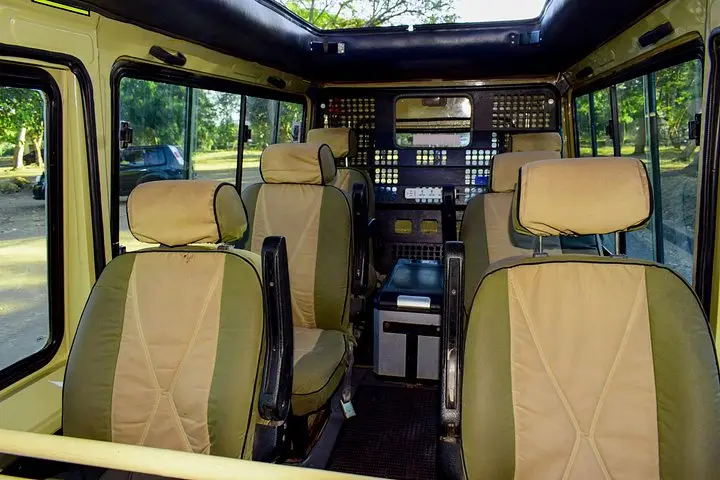
Spend a day inside Lake Manyara National Park where tree-climbing lions, vast flocks of flamingos and Rift Valley fans define the horizon. This private day safari includes park entry, a professional guide, and a pop-up roof jeep for up-close viewing.
Spend a day inside Lake Manyara National Park where tree-climbing lions, vast flocks of flamingos and Rift Valley fans define the horizon. This private day safari includes park entry, a professional guide, and a pop-up roof jeep for up-close viewing.
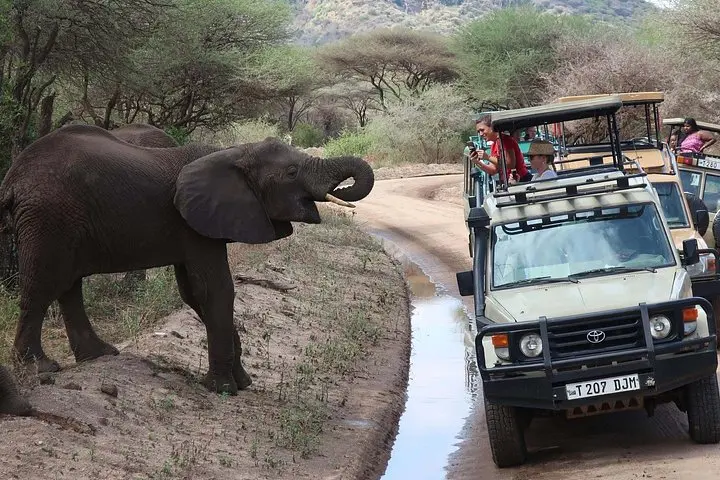
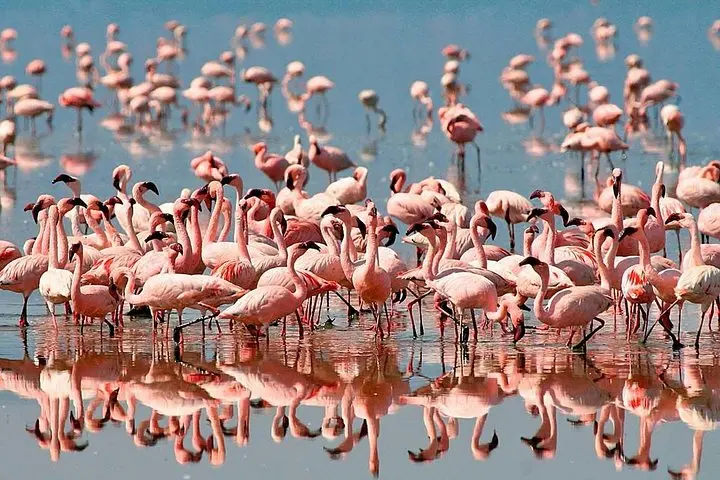
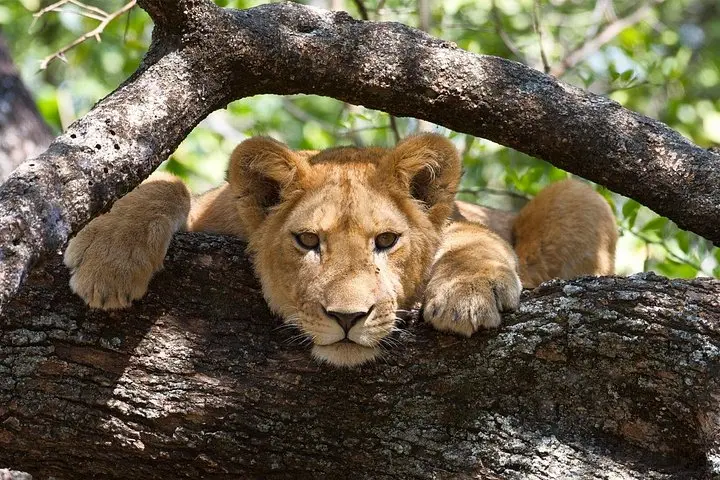
Dust lifts beneath the safari jeep as it slides off the main road and into the dappled shade of Lake Manyara National Park. Acacia silhouettes puncture the high plateaus while a shallow, soda-ash lake reflects flamingo-pink bands that move and breathe like a living shoreline. The guide lifts the pop-up roof and the canopy becomes a viewing frame; lions lounge in low branches and elephants ambush the grass with deliberate, ponderous steps.
Verified experiences and guided adventures in the surrounding area.
Operated by African polecat safaris · Mto wa Mbu, Manyara Region
Dust lifts beneath the safari jeep as it slides off the main road and into the dappled shade of Lake Manyara National Park. Acacia silhouettes puncture the high plateaus while a shallow, soda-ash lake reflects flamingo-pink bands that move and breathe like a living shoreline. The guide lifts the pop-up roof and the canopy becomes a viewing frame; lions lounge in low branches and elephants ambush the grass with deliberate, ponderous steps.
Geologically the park sits at the edge of the East African Rift, its groundwater-fed lake fed by springs that keep a permanent wetland even in dry seasons. Culturally the surrounding villages are largely Maasai and agro-pastoral communities whose grazing and farming shape the park boundary. The park’s fame comes from two signatures: tree-climbing lions and high-density birdlife—both visible on a well-timed day drive.
On a private day tour expect a full-day itinerary (most run 6–9 hours), park entry and driver-guide included, and an air-conditioned jeep with pop-up roof, cooler and charging ports. Wildlife viewing is vehicle-based; short walks are possible where permitted but require moderate fitness. Binoculars, neutral clothing, a sun hat and layered clothing for early starts are sensible. Keep camera batteries charged and avoid loud noises—animals react quickly and the moment can vanish as fast as a breeze across the lake. Plan pickups from Arusha or nearby lodges; morning and late-afternoon drives offer the best light and animal activity. Respect speed limits inside the park, follow your guide’s directions, and leave nothing behind but footprints and a deeper sense of how alive the Rift Valley can be.
Most private day trips run 6–9 hours door-to-door, with about 4–6 hours spent in the park.
This tour lists park entry fees as included in the price and handled by the operator.
Tree-climbing lions are a hallmark of Lake Manyara but sightings cannot be guaranteed—your guide maximizes chances by visiting known pride areas.
Yes, but check vehicle seat capacity and child seat requirements with the operator; wildlife viewing can be long for very young children.
African polecat safaris operates guided outdoor trips and adventures with an emphasis on safety, stewardship, and memorable experiences.
Dust lifts beneath the safari jeep as it slides off the main road and into the dappled shade of Lake Manyara National Park. Acacia silhouettes puncture the high plateaus while a shallow, soda-ash lake reflects flamingo-pink bands that move and breathe like a living shoreline. The guide lifts the pop-up roof and the canopy becomes a viewing frame; lions lounge in low branches and elephants ambush the grass with deliberate, ponderous steps.
Dust lifts beneath the safari jeep as it slides off the main road and into the dappled shade of Lake Manyara National Park. Acacia silhouettes puncture the high plateaus while a shallow, soda-ash lake reflects flamingo-pink bands that move and breathe like a living shoreline. The guide lifts the pop-up roof and the canopy becomes a viewing frame; lions lounge in low branches and elephants ambush the grass with deliberate, ponderous steps.
Geologically the park sits at the edge of the East African Rift, its groundwater-fed lake fed by springs that keep a permanent wetland even in dry seasons. Culturally the surrounding villages are largely Maasai and agro-pastoral communities whose grazing and farming shape the park boundary. The park’s fame comes from two signatures: tree-climbing lions and high-density birdlife—both visible on a well-timed day drive.
On a private day tour expect a full-day itinerary (most run 6–9 hours), park entry and driver-guide included, and an air-conditioned jeep with pop-up roof, cooler and charging ports. Wildlife viewing is vehicle-based; short walks are possible where permitted but require moderate fitness. Binoculars, neutral clothing, a sun hat and layered clothing for early starts are sensible. Keep camera batteries charged and avoid loud noises—animals react quickly and the moment can vanish as fast as a breeze across the lake. Plan pickups from Arusha or nearby lodges; morning and late-afternoon drives offer the best light and animal activity. Respect speed limits inside the park, follow your guide’s directions, and leave nothing behind but footprints and a deeper sense of how alive the Rift Valley can be.