THE ADVENTURE COLLECTIVE® · Independent discovery and booking for outdoor travel

A gentle, 90‑minute guided walk through kwongkan heath and bush beside Lake Monjinup. Accessible and sensory, the route highlights local plants, birds and Noongar cultural connections—followed by tea and damper.
A gentle, 90‑minute guided walk through kwongkan heath and bush beside Lake Monjinup. Accessible and sensory, the route highlights local plants, birds and Noongar cultural connections—followed by tea and damper.
You step onto a wide, firm track and the landscape opens—low, flowering kwongkan heath rolling toward a mirror of water. Reeds lean like quiet sentries and a gum tree throws a slow shadow across the path; the lake itself watches, changing with the season, daring you to slow down and notice.
Verified experiences and guided adventures in the surrounding area.
Operated by Dabungool Cultural Experiences · Albany, Western Australia
You step onto a wide, firm track and the landscape opens—low, flowering kwongkan heath rolling toward a mirror of water. Reeds lean like quiet sentries and a gum tree throws a slow shadow across the path; the lake itself watches, changing with the season, daring you to slow down and notice.
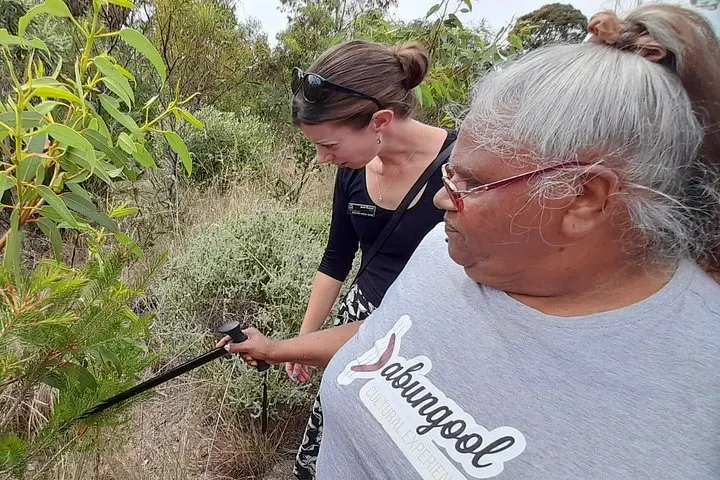
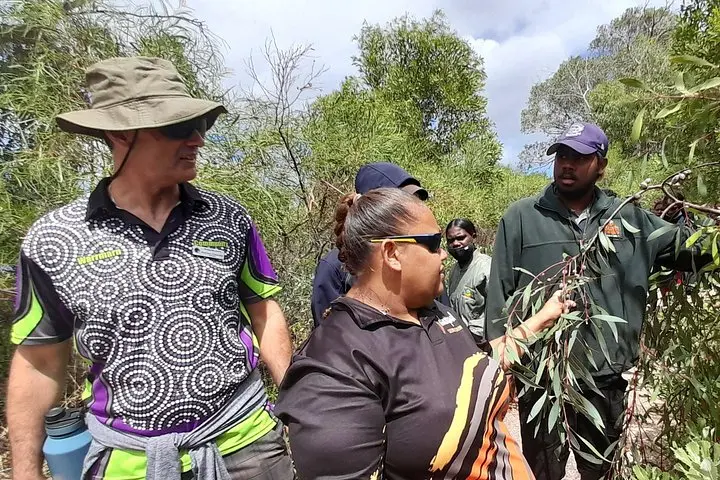
This 90‑minute guided walk focuses on the flora and fauna of the region. The route passes through Kwongkan heathland and open bush dominated by mallee and banksia species, on soils shaped by ancient weathering of the Yilgarn craton. The area sits on Noongar country; guides often speak to local plant uses and seasonal cycles. Geologically the lake is part of a network of perched wetlands common to south‑west Western Australia—shallow basins that fill in winter and dry in summer, creating shifting habitats for birds and frogs.
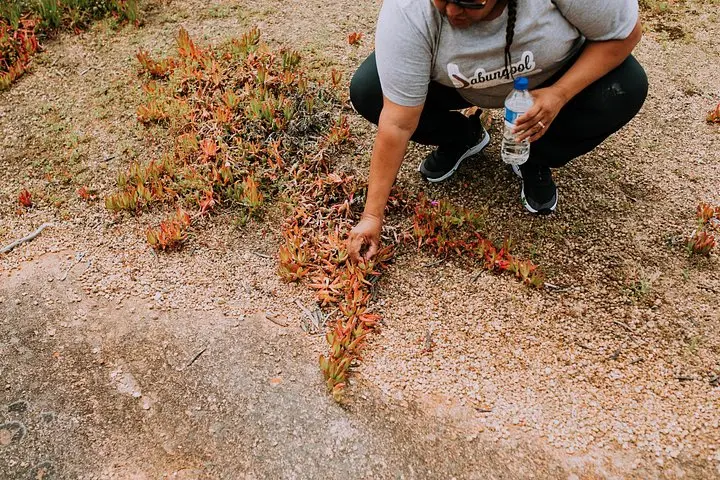
Expect close readings of small things: wattle buds, tiny orchids, and the scratch of skinks. Black cockatoos and honeyeaters are regulars; kangaroos may graze at the reserve edges. Nature here acts with purpose—winds push the reeds, water calls the birds.
Practical side: classification 2 means an easy, well‑defined trail with firm surfaces, gentle gradients and occasional steps; it’s wheelchair and pram accessible. Wear sturdy shoes, bring sun protection and at least 500–750ml of water for this 90‑minute outing. Morning light is best for birds and cooler temperatures; after the walk enjoy tea, coffee and damper. The trail is low impact—stick to the path, pack out rubbish, and respect wildlife and cultural sites.
Yes — the walk is classified as Class 2 with firm, level surfaces and is wheelchair and pram accessible; confirm any specific mobility requirements when booking.
The guided walk lasts about 90 minutes at a relaxed, interpretive pace with stops to observe plants and birds.
Children are welcome and the route is suitable for prams; pets are generally not permitted except service animals—check the operator's policy before arrival.
Bring a light waterproof or wind layer in cooler months, sun protection in summer, and wear closed shoes; weather can change quickly in coastal south‑west WA.
Dabungool Cultural Experiences operates guided outdoor trips and adventures with an emphasis on safety, stewardship, and memorable experiences.

You step onto a wide, firm track and the landscape opens—low, flowering kwongkan heath rolling toward a mirror of water. Reeds lean like quiet sentries and a gum tree throws a slow shadow across the path; the lake itself watches, changing with the season, daring you to slow down and notice.
You step onto a wide, firm track and the landscape opens—low, flowering kwongkan heath rolling toward a mirror of water. Reeds lean like quiet sentries and a gum tree throws a slow shadow across the path; the lake itself watches, changing with the season, daring you to slow down and notice.
This 90‑minute guided walk focuses on the flora and fauna of the region. The route passes through Kwongkan heathland and open bush dominated by mallee and banksia species, on soils shaped by ancient weathering of the Yilgarn craton. The area sits on Noongar country; guides often speak to local plant uses and seasonal cycles. Geologically the lake is part of a network of perched wetlands common to south‑west Western Australia—shallow basins that fill in winter and dry in summer, creating shifting habitats for birds and frogs.
Expect close readings of small things: wattle buds, tiny orchids, and the scratch of skinks. Black cockatoos and honeyeaters are regulars; kangaroos may graze at the reserve edges. Nature here acts with purpose—winds push the reeds, water calls the birds.
Practical side: classification 2 means an easy, well‑defined trail with firm surfaces, gentle gradients and occasional steps; it’s wheelchair and pram accessible. Wear sturdy shoes, bring sun protection and at least 500–750ml of water for this 90‑minute outing. Morning light is best for birds and cooler temperatures; after the walk enjoy tea, coffee and damper. The trail is low impact—stick to the path, pack out rubbish, and respect wildlife and cultural sites.