
Lake Nakuru Day Trip from Nairobi: Flamingos, Lions & Rift Valley Views
A full-day wildlife loop from Nairobi into Lake Nakuru National Park, where vast flocks of flamingos and protected rhino populations meet Great Rift Valley panoramas. Expect two game-drive windows, a lodge lunch, and a 9-hour outbound return schedule.
An Adventure In Nairobi.
A full-day wildlife loop from Nairobi into Lake Nakuru National Park, where vast flocks of flamingos and protected rhino populations meet Great Rift Valley panoramas. Expect two game-drive windows, a lodge lunch, and a 9-hour outbound return schedule.
Read the full experience
You step out of the minibus as the Rift Valley opens; a shallow pink smear on the horizon dares you to come closer. Early light slides across alkaline shallows where flamingos sweep and dab for food, while acacia-dotted ridgelines frame an expanse that has shaped human and natural history for millennia.
You step out of the minibus as the Rift Valley opens; a shallow pink smear on the horizon dares you to come closer. Early light slides across alkaline shallows where flamingos sweep and dab for food, while acacia-dotted ridgelines frame an expanse that has shaped human and natural history for millennia.
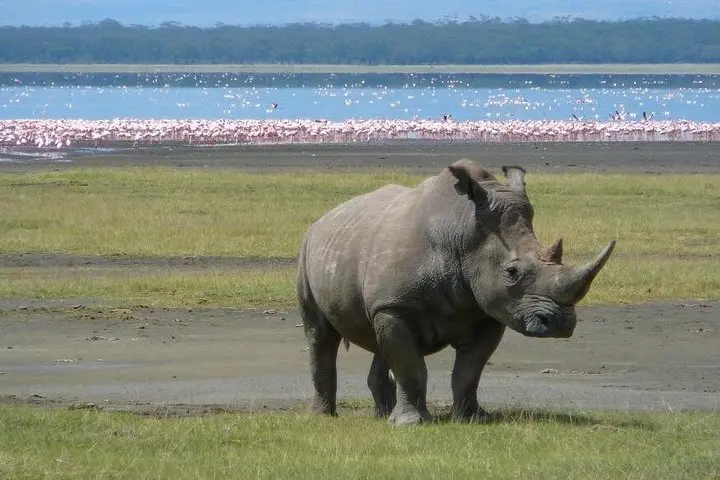
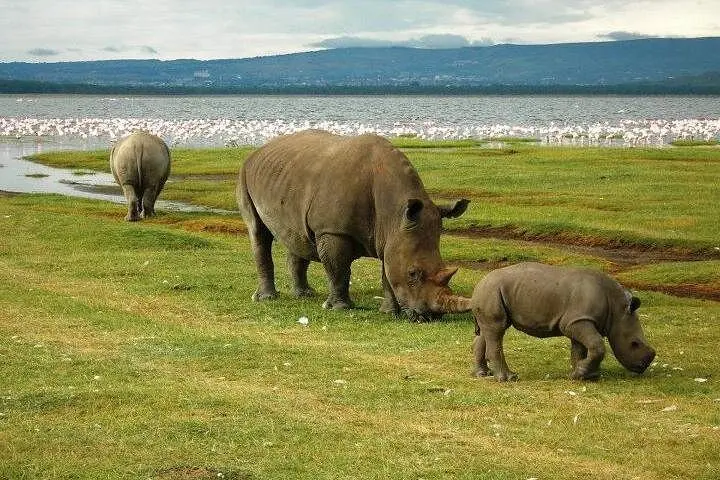
Lake Nakuru National Park sits on the floor of the Great Rift Valley and was gazetted in 1961 to protect its birds and emerging rhino populations. Geologically, the lake occupies a soda-rich depression that attracts large flocks of lesser and greater flamingos when water and algae conditions align. Local communities around Nakuru have long mixed pastoralism and small-scale agriculture; Hyrax Hill, a nearby archaeological site, points to ancient settlement in the area.
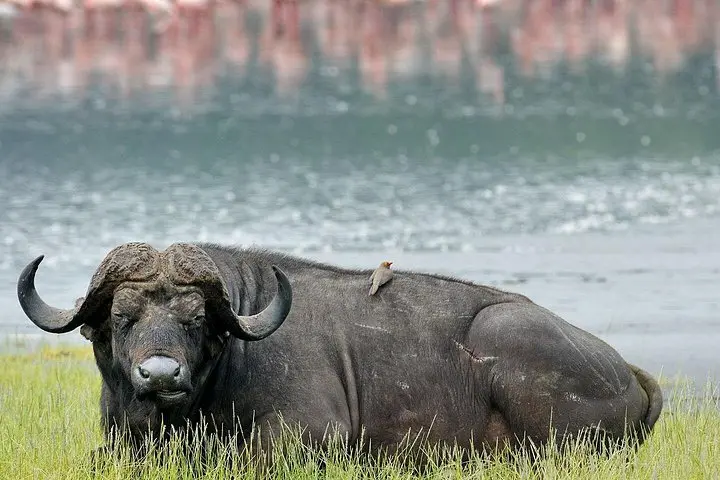
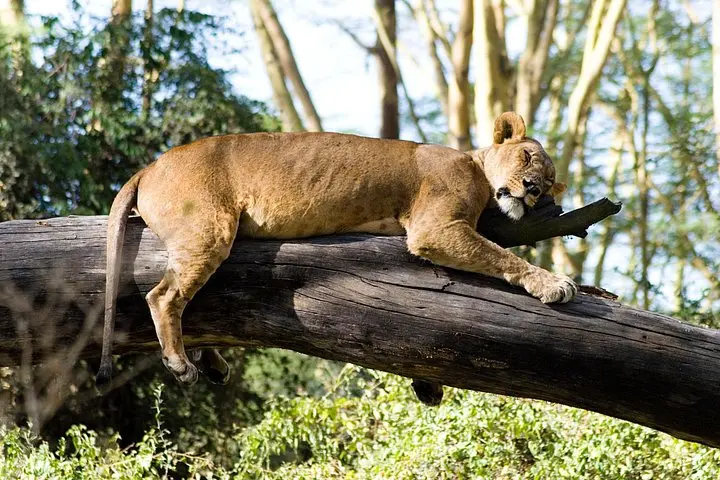
On a typical day trip from Nairobi expect a 2.5-hour drive each way and two game-drive windows totaling about four hours inside the park. Trails are mostly vehicle tracks; wildlife encounters are variable — flamingo spectacles, buffalo, giraffe, and the park’s rhino sanctuary are highlights, while predators such as lions and leopards are present but less predictable.
Practical notes: bring binoculars, a telephoto lens, and layers for morning chill; insect repellent and sun protection are essential. Follow park rules: keep distance from animals, remain in the vehicle during game drives, and carry water. Timing matters—dry months often concentrate wildlife at the shoreline and improve visibility. A day here is a compact, wildlife-rich introduction to Kenya’s Rift Valley that rewards patience and a good camera.
Frequently asked questions
The transfer is about 2.5 hours each way depending on traffic, making the full experience roughly a 9-hour day.
Flamingos are common but numbers fluctuate with water and food conditions; large flocks are frequent but not guaranteed.
Yes — the itinerary typically includes a lunch stop at a park lodge between game drives.
Yes — the tour is vehicle-based and rated easy, but those with spinal issues should note it may not be recommended.
About This Experience
Travel&Tour Africa operates guided outdoor trips and adventures with an emphasis on safety, stewardship, and memorable experiences.
Adventure tips
Recommended gear
- Binoculars: Helps pick out flamingo flocks and distant game along the shoreline.
- Telephoto camera lens or zoom compact: Improves wildlife photography from the vehicle without disturbing animals.
- Light layers (windbreaker): Mornings can be cool; layers allow comfort through changing temperatures.
- Insect repellent & sunscreen: Protects against sun and insects during morning and midday stops.
Photos of the experience
Related adventures & guides
Read the full experience
You step out of the minibus as the Rift Valley opens; a shallow pink smear on the horizon dares you to come closer. Early light slides across alkaline shallows where flamingos sweep and dab for food, while acacia-dotted ridgelines frame an expanse that has shaped human and natural history for millennia.
You step out of the minibus as the Rift Valley opens; a shallow pink smear on the horizon dares you to come closer. Early light slides across alkaline shallows where flamingos sweep and dab for food, while acacia-dotted ridgelines frame an expanse that has shaped human and natural history for millennia.
Lake Nakuru National Park sits on the floor of the Great Rift Valley and was gazetted in 1961 to protect its birds and emerging rhino populations. Geologically, the lake occupies a soda-rich depression that attracts large flocks of lesser and greater flamingos when water and algae conditions align. Local communities around Nakuru have long mixed pastoralism and small-scale agriculture; Hyrax Hill, a nearby archaeological site, points to ancient settlement in the area.
On a typical day trip from Nairobi expect a 2.5-hour drive each way and two game-drive windows totaling about four hours inside the park. Trails are mostly vehicle tracks; wildlife encounters are variable — flamingo spectacles, buffalo, giraffe, and the park’s rhino sanctuary are highlights, while predators such as lions and leopards are present but less predictable.
Practical notes: bring binoculars, a telephoto lens, and layers for morning chill; insect repellent and sun protection are essential. Follow park rules: keep distance from animals, remain in the vehicle during game drives, and carry water. Timing matters—dry months often concentrate wildlife at the shoreline and improve visibility. A day here is a compact, wildlife-rich introduction to Kenya’s Rift Valley that rewards patience and a good camera.
Make a day of it nearby.
Verified experiences and guided adventures in the surrounding area.