THE ADVENTURE COLLECTIVE® · Independent discovery and booking for outdoor travel

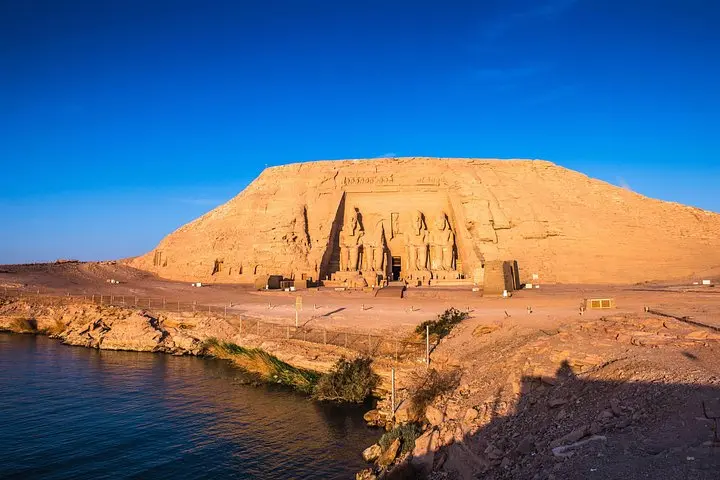
A 4-night cruise across Lake Nasser that pairs relaxed sailing with targeted temple visits — Abu Simbel, Kalabsha and other relocated Nubian monuments. Expect guided archaeology walks, desert views and considerate onboard service.
A 4-night cruise across Lake Nasser that pairs relaxed sailing with targeted temple visits — Abu Simbel, Kalabsha and other relocated Nubian monuments. Expect guided archaeology walks, desert views and considerate onboard service.
The ship slips away from Aswan at first light, the coppery desert rising on either side while Lake Nasser opens like a vast, reflective plain. On deck, the breeze dares you to watch the shoreline — rock faces burn with sun, and the boat’s wake pulls a thin, white line across calm water.
Verified experiences and guided adventures in the surrounding area.
Operated by Fayrouz Egypt Travel · Aswan, Aswan Governorate
The ship slips away from Aswan at first light, the coppery desert rising on either side while Lake Nasser opens like a vast, reflective plain. On deck, the breeze dares you to watch the shoreline — rock faces burn with sun, and the boat’s wake pulls a thin, white line across calm water.
This multi-day cruise follows the Nile’s southern reach where pharaohs once stamped stone with names meant to last forever. Temples rescued from the rising waters after the High Dam were dismantled and reassembled here, giving visitors a close-up of Ptolemaic, Roman and New Kingdom craft. Geology is obvious: sandstone and granite cliffs, ancient river terraces and broad floodplains now held behind the dam.
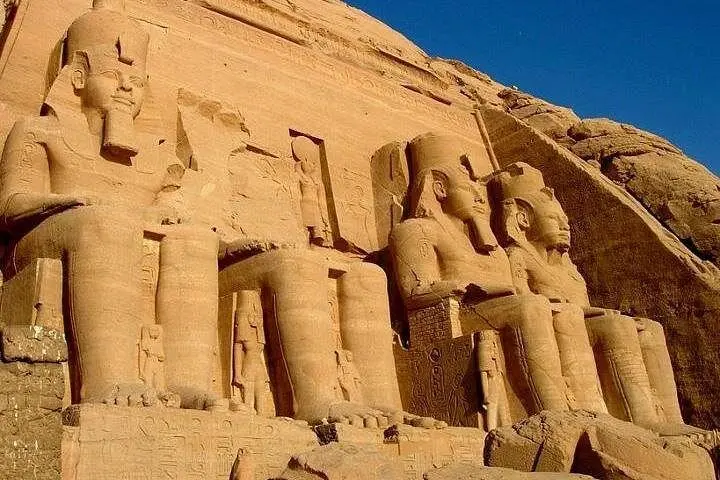
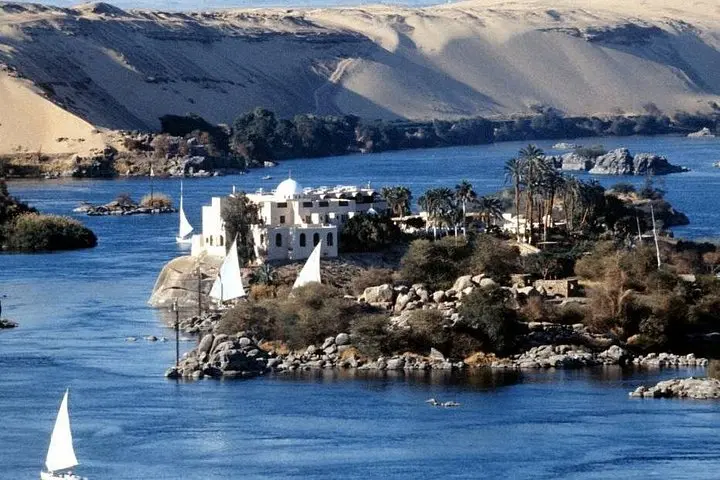
Culturally, the trip threads modern Nubian hospitality — enamelled houses and island villages — with monuments like Kalabsha, Dakka and Abu Simbel. Expect guided walks among carved façades, commentary from an Egyptologist, and evenings spent under clear desert sky where light makes the temples look younger than they are.
Practical guidance: plan for full days of embarkation and disembarkation, wear sun-protective layers and comfortable walking shoes for uneven temple approaches, and carry a refillable water bottle (water is available on board but dry heat demands extra intake). Timing matters: sunrise or late-afternoon visits offer cooler temperatures and crisper photos.
This itinerary balances slow water travel with short, concentrated archaeology stops — ideal for travelers who want immersive history without daily long-road transfers.
Yes — you must travel with a valid passport and any required Egyptian visa; check entry requirements for your nationality before departure.
The itinerary includes guided visits and specified services; confirm whether specific temple entrance fees are covered during booking.
Yes — the trip is described as physically easy for most, but shore visits involve steps and uneven terrain; assistance is often available on board.
Cooler months from October to April offer more comfortable daytime temperatures and clearer skies for temple visits.
Fayrouz Egypt Travel operates guided outdoor trips and adventures with an emphasis on safety, stewardship, and memorable experiences.
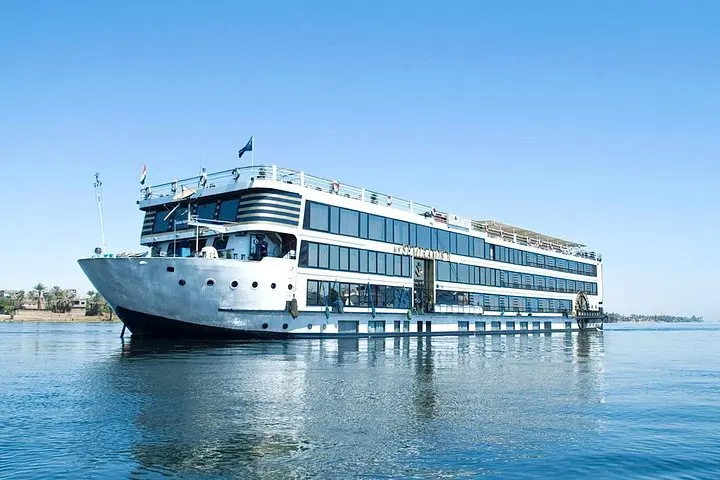
The ship slips away from Aswan at first light, the coppery desert rising on either side while Lake Nasser opens like a vast, reflective plain. On deck, the breeze dares you to watch the shoreline — rock faces burn with sun, and the boat’s wake pulls a thin, white line across calm water.
The ship slips away from Aswan at first light, the coppery desert rising on either side while Lake Nasser opens like a vast, reflective plain. On deck, the breeze dares you to watch the shoreline — rock faces burn with sun, and the boat’s wake pulls a thin, white line across calm water.
This multi-day cruise follows the Nile’s southern reach where pharaohs once stamped stone with names meant to last forever. Temples rescued from the rising waters after the High Dam were dismantled and reassembled here, giving visitors a close-up of Ptolemaic, Roman and New Kingdom craft. Geology is obvious: sandstone and granite cliffs, ancient river terraces and broad floodplains now held behind the dam.
Culturally, the trip threads modern Nubian hospitality — enamelled houses and island villages — with monuments like Kalabsha, Dakka and Abu Simbel. Expect guided walks among carved façades, commentary from an Egyptologist, and evenings spent under clear desert sky where light makes the temples look younger than they are.
Practical guidance: plan for full days of embarkation and disembarkation, wear sun-protective layers and comfortable walking shoes for uneven temple approaches, and carry a refillable water bottle (water is available on board but dry heat demands extra intake). Timing matters: sunrise or late-afternoon visits offer cooler temperatures and crisper photos.
This itinerary balances slow water travel with short, concentrated archaeology stops — ideal for travelers who want immersive history without daily long-road transfers.