THE ADVENTURE COLLECTIVE® · Independent discovery and booking for outdoor travel

A short, high-altitude walk above Huaraz that combines glacial basins, moraine views and local cultural touches. Ideal as an acclimatization day, the route links Lake Rocotuyoc with the nearby Melting Lake at roughly 4,400 m.
A short, high-altitude walk above Huaraz that combines glacial basins, moraine views and local cultural touches. Ideal as an acclimatization day, the route links Lake Rocotuyoc with the nearby Melting Lake at roughly 4,400 m.
You step out of the van above the tree line and the air feels thinner immediately—cold, crisp, and honest. Scrubland and pumice-streaked ridges open to a small glacial basin where Lake Rocotuyoc sits at about 4,400 m, its surface reflecting jagged moraine and sky. The trail between Rocotuyoc and the nearby Melting Lake is short and steady: an easy, high-altitude walk that tests acclimatization more than technique.
Verified experiences and guided adventures in the surrounding area.
Operated by Andean Summit Multiservicios S.R.L. · Huaraz, Ancash
You step out of the van above the tree line and the air feels thinner immediately—cold, crisp, and honest. Scrubland and pumice-streaked ridges open to a small glacial basin where Lake Rocotuyoc sits at about 4,400 m, its surface reflecting jagged moraine and sky. The trail between Rocotuyoc and the nearby Melting Lake is short and steady: an easy, high-altitude walk that tests acclimatization more than technique.
This route runs inside Huascarán National Park, an area shaped by Pleistocene glaciers and uplifted Andean bedrock. Indigenous communities have long used these high valleys for seasonal pasture; modern visitors may pass Inca-era rock art and small community-owned camps where local guides offer context on flora like ichu grass and the geology that carved these basins.
Expect wide, stony paths, brief uphill pitches, and panoramic views rather than dense forest. The experience is sensory—wind that pushes against your jacket, sunlight that cuts at altitude, and the quiet of a place where wildlife moves in small, watchful increments.
Practically: depart Huaraz early for the 2.5-hour drive to Marcara, pay a small community fee (~10 soles), and plan 40 minutes at each lake plus photography time. Hydrate before and during the walk, layer for sudden sun and wind, and move deliberately to monitor altitude response. Guides often include pickup, local lunch, and return to Huaraz by late afternoon, making this a practical acclimatization day that still feels like an alpine outing.
The walking segments are short and classified easy; the main challenge is altitude rather than technical terrain.
Guides are not strictly required but local, bilingual guides improve safety, interpretive value, and logistics including the community fee.
A small fee (about 10 soles) is collected by local administration to support trail maintenance and community projects.
Yes—its moderate, low-exertion profile at 4,400 m makes it a commonly recommended acclimatization day before higher treks.
Andean Summit Multiservicios S.R.L. operates guided outdoor trips and adventures with an emphasis on safety, stewardship, and memorable experiences.
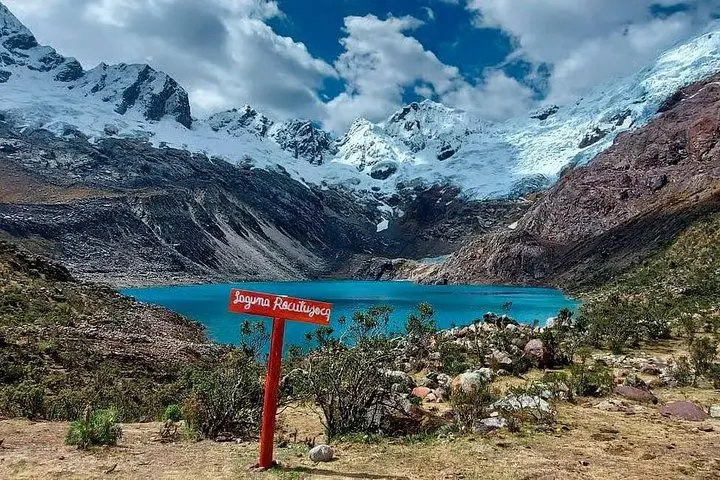
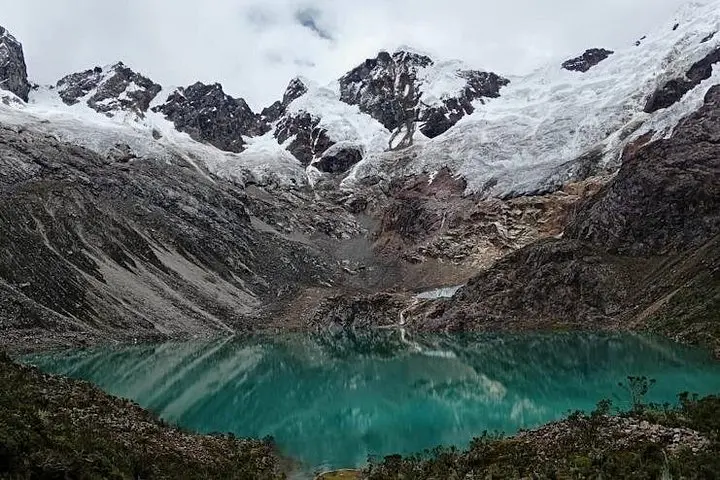
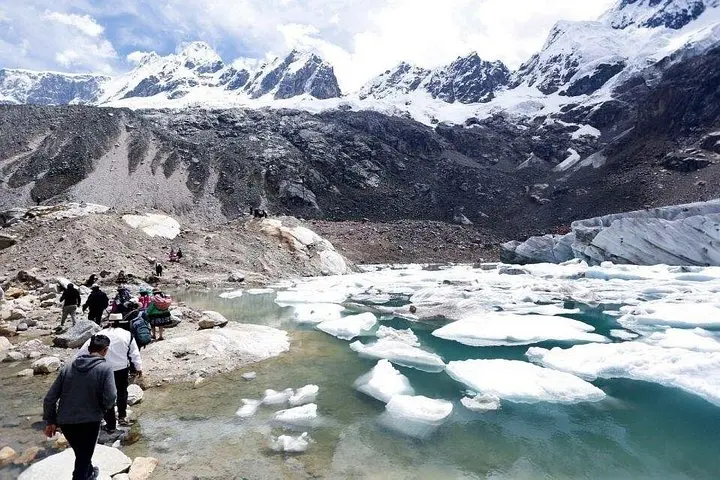
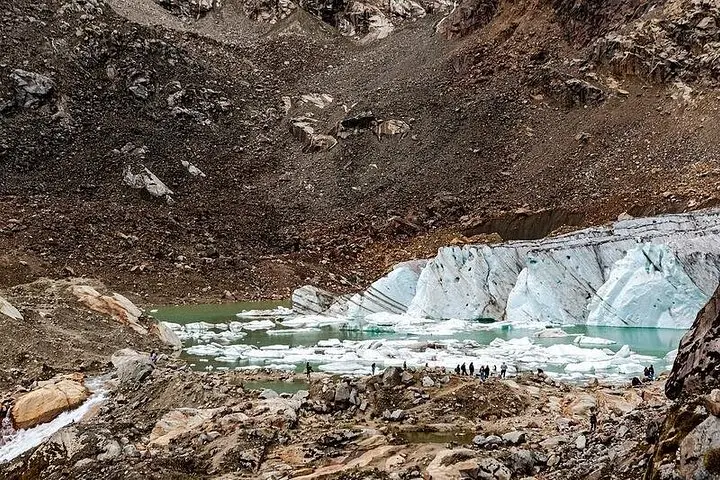
You step out of the van above the tree line and the air feels thinner immediately—cold, crisp, and honest. Scrubland and pumice-streaked ridges open to a small glacial basin where Lake Rocotuyoc sits at about 4,400 m, its surface reflecting jagged moraine and sky. The trail between Rocotuyoc and the nearby Melting Lake is short and steady: an easy, high-altitude walk that tests acclimatization more than technique.
You step out of the van above the tree line and the air feels thinner immediately—cold, crisp, and honest. Scrubland and pumice-streaked ridges open to a small glacial basin where Lake Rocotuyoc sits at about 4,400 m, its surface reflecting jagged moraine and sky. The trail between Rocotuyoc and the nearby Melting Lake is short and steady: an easy, high-altitude walk that tests acclimatization more than technique.
This route runs inside Huascarán National Park, an area shaped by Pleistocene glaciers and uplifted Andean bedrock. Indigenous communities have long used these high valleys for seasonal pasture; modern visitors may pass Inca-era rock art and small community-owned camps where local guides offer context on flora like ichu grass and the geology that carved these basins.
Expect wide, stony paths, brief uphill pitches, and panoramic views rather than dense forest. The experience is sensory—wind that pushes against your jacket, sunlight that cuts at altitude, and the quiet of a place where wildlife moves in small, watchful increments.
Practically: depart Huaraz early for the 2.5-hour drive to Marcara, pay a small community fee (~10 soles), and plan 40 minutes at each lake plus photography time. Hydrate before and during the walk, layer for sudden sun and wind, and move deliberately to monitor altitude response. Guides often include pickup, local lunch, and return to Huaraz by late afternoon, making this a practical acclimatization day that still feels like an alpine outing.