THE ADVENTURE COLLECTIVE® · Independent discovery and booking for outdoor travel

Explore Lake Tana’s island monasteries by boat, then feel the spray of Tis Issat—Blue Nile Falls—on this full-day trip from Bahir Dar. Expect historic churches, rural Amhara culture, and a brisk walk to dramatic viewpoints.
Explore Lake Tana’s island monasteries by boat, then feel the spray of Tis Issat—Blue Nile Falls—on this full-day trip from Bahir Dar. Expect historic churches, rural Amhara culture, and a brisk walk to dramatic viewpoints.
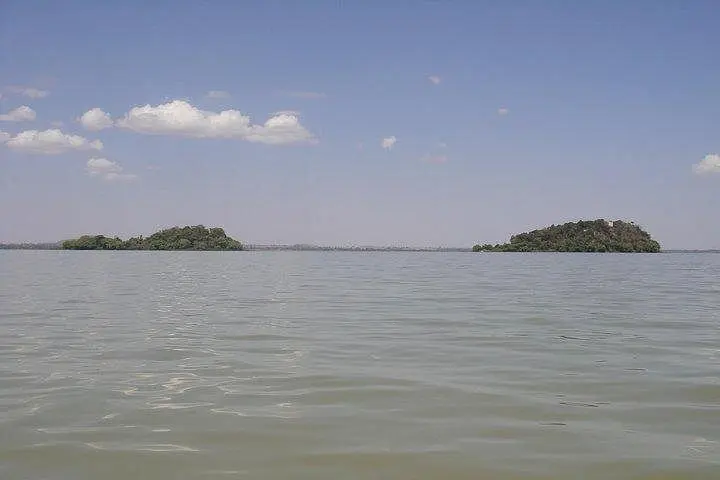
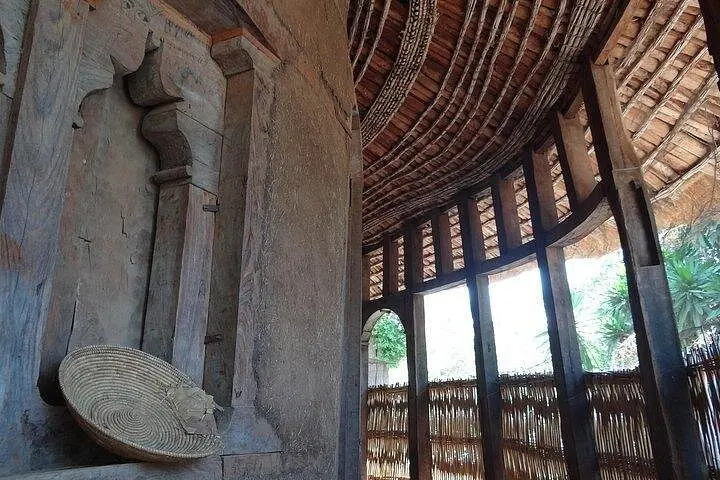
A low, slow light spreads across Lake Tana at dawn and the boat pushes through reeds as gulls wheel overhead. The island monasteries—whitewashed churches topped with conical roofs and painted interiors—appear like islands of silence, their bells and incense holding a different time. Later, the river gathers speed and the Blue Nile Falls announces itself: a roar, a spray, воды that dares you closer to the lip.
Verified experiences and guided adventures in the surrounding area.
Operated by Guide to Addis · Bahir Dar, Amhara
A low, slow light spreads across Lake Tana at dawn and the boat pushes through reeds as gulls wheel overhead. The island monasteries—whitewashed churches topped with conical roofs and painted interiors—appear like islands of silence, their bells and incense holding a different time. Later, the river gathers speed and the Blue Nile Falls announces itself: a roar, a spray, воды that dares you closer to the lip.
Lake Tana is Ethiopia’s largest lake and the cradle of the Blue Nile; its islands have harbored monastic communities since the 14th century. The monasteries—Ura Kidane Mihret, Kibran Gebriel, Debre Maryam—preserve religious paintings and illuminated manuscripts, while the falls (Tis Issat, “smoking water”) sit where basalt and river carve a dramatic gorge.
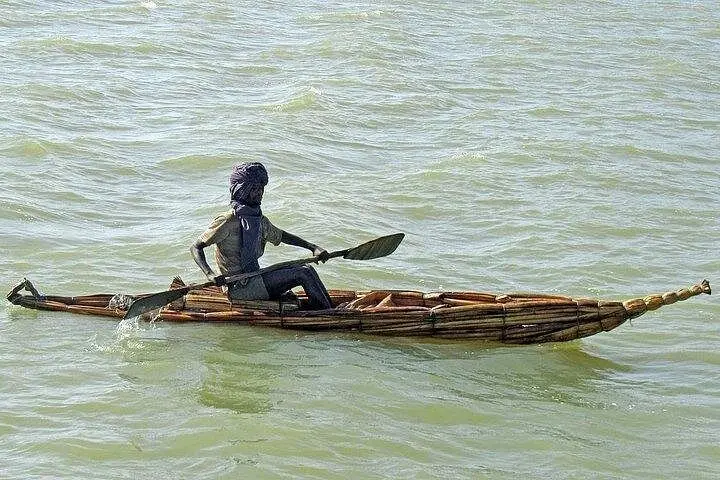
Culturally, the day mixes Orthodox Christian ritual with rural Amhara life: fishermen casting nets, coffee brewed by the roadside, and market stalls selling woven textiles. Geologically, the region is shaped by volcanic bedrock and the Nile’s erosive power, which creates the plunge and channels beyond the falls.
Practically, expect an eight-hour day: morning boat cruise to island churches, boxed or local lunch, then a 30 km drive to the falls with short, uneven trails and viewpoints. Wear sturdy shoes for slick paths, bring sun protection and refillable water, and carry small bills for entry donations and boat fees. A moderate fitness level helps for getting on/off boats and walking around the falls. Guides provide context and navigation; follow their advice near cliffs and fast water. Timed right—early or late afternoon—the trip balances quiet monastery visits with the elemental force of the Blue Nile.
The full-day itinerary runs about eight hours—usually starting early in the morning and returning to Bahir Dar in the evening.
Yes—local guides or monastery attendants lead visits; modest dress is required and photography rules vary by site.
Boats are commonly used and operators provide life jackets—supervise children closely during boarding and on-deck.
Lunch is typically at a local restaurant or picnic spot; small vendors sell snacks and coffee near the lake and on route to the falls.
Guide to Addis operates guided outdoor trips and adventures with an emphasis on safety, stewardship, and memorable experiences.

A low, slow light spreads across Lake Tana at dawn and the boat pushes through reeds as gulls wheel overhead. The island monasteries—whitewashed churches topped with conical roofs and painted interiors—appear like islands of silence, their bells and incense holding a different time. Later, the river gathers speed and the Blue Nile Falls announces itself: a roar, a spray, воды that dares you closer to the lip.
A low, slow light spreads across Lake Tana at dawn and the boat pushes through reeds as gulls wheel overhead. The island monasteries—whitewashed churches topped with conical roofs and painted interiors—appear like islands of silence, their bells and incense holding a different time. Later, the river gathers speed and the Blue Nile Falls announces itself: a roar, a spray, воды that dares you closer to the lip.
Lake Tana is Ethiopia’s largest lake and the cradle of the Blue Nile; its islands have harbored monastic communities since the 14th century. The monasteries—Ura Kidane Mihret, Kibran Gebriel, Debre Maryam—preserve religious paintings and illuminated manuscripts, while the falls (Tis Issat, “smoking water”) sit where basalt and river carve a dramatic gorge.
Culturally, the day mixes Orthodox Christian ritual with rural Amhara life: fishermen casting nets, coffee brewed by the roadside, and market stalls selling woven textiles. Geologically, the region is shaped by volcanic bedrock and the Nile’s erosive power, which creates the plunge and channels beyond the falls.
Practically, expect an eight-hour day: morning boat cruise to island churches, boxed or local lunch, then a 30 km drive to the falls with short, uneven trails and viewpoints. Wear sturdy shoes for slick paths, bring sun protection and refillable water, and carry small bills for entry donations and boat fees. A moderate fitness level helps for getting on/off boats and walking around the falls. Guides provide context and navigation; follow their advice near cliffs and fast water. Timed right—early or late afternoon—the trip balances quiet monastery visits with the elemental force of the Blue Nile.