THE ADVENTURE COLLECTIVE® · Independent discovery and booking for outdoor travel

Explore Lake Titicaca’s living culture on a compact 2-day circuit: reed islands of the Uros, homestays on Amantani, textile traditions on Taquile and the ancient chullpas of Sillustani. Perfect for travelers short on time who want cultural depth and easy hikes.
Explore Lake Titicaca’s living culture on a compact 2-day circuit: reed islands of the Uros, homestays on Amantani, textile traditions on Taquile and the ancient chullpas of Sillustani. Perfect for travelers short on time who want cultural depth and easy hikes.
Before the sun clears the Andean rim, small wooden boats gather at Puno’s pier and push into Lake Titicaca’s silver surface. The air is thin and clean; reed islands bob like living rafts while the lake itself seems to breathe—slow, steady, ancestral.
Verified experiences and guided adventures in the surrounding area.
Operated by Inca Lake · Puno, Puno
Before the sun clears the Andean rim, small wooden boats gather at Puno’s pier and push into Lake Titicaca’s silver surface. The air is thin and clean; reed islands bob like living rafts while the lake itself seems to breathe—slow, steady, ancestral.
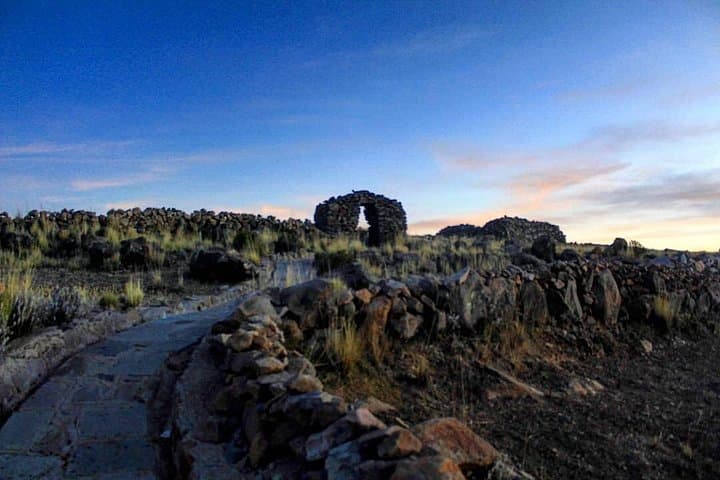
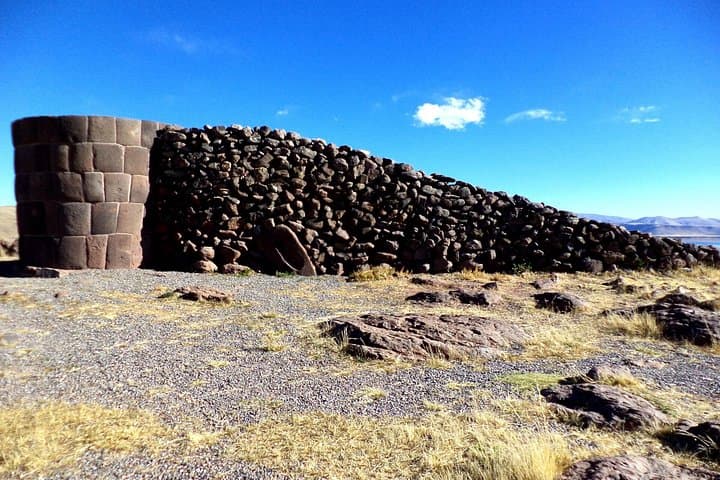
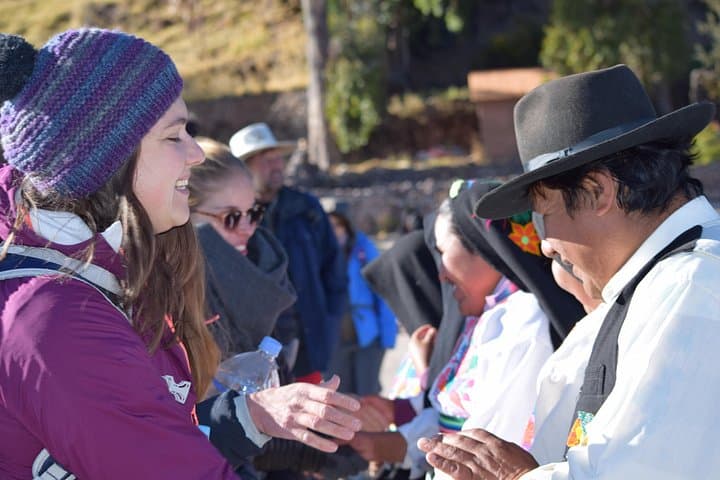
Visitors first meet the Uros: floating reed communities that have adapted reed-cutting, weaving and boat-building into daily life for centuries. On Amantani, warm families host travelers in simple homes; a 30–60 minute uphill walk leads to twin Inca-era shrines—Pachamama and Pachatata—where the sunset spills across the high plain. Taquile’s terraces and narrow footpaths guide you through a culture famous for textile weaving recognized by UNESCO, each stitch encoding social rules and history. The route ends at Sillustani, a windswept peninsula where Colla chullpas—stone burial towers up to 10 meters tall—stand like quiet storytellers over the Umayo lagoon.
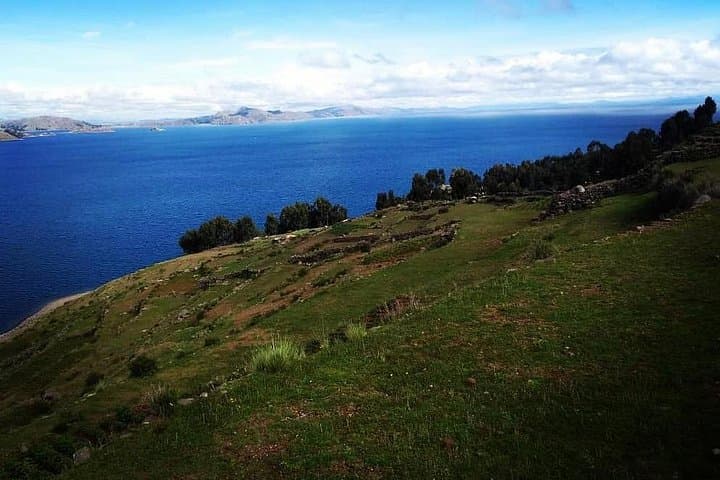
Geologically, this is a high-altitude plateau lake at about 3,812 m (12,507 ft), carved by glacial and tectonic forces; the light is sharp and weather changes fast. Expect basic homestay lodging on Amantani with limited facilities and simple toilets.
Practical notes: allow 48 hours, acclimatize in Puno before departing, pack warm layers, sun protection and at least 1–2 liters of water for hikes. Footwear with good grip is essential for stone paths and terraces. Bring small-denomination soles for reed-boat rides, tips and artisan purchases. The itinerary balances cultural immersion with moderate walks—arrive curious, leave with a clearer sense of how people have shaped and lived with this placid but demanding lake.
Lake Titicaca sits at roughly 3,812 m (12,507 ft). Mild altitude symptoms are common—hydrate, avoid alcohol, rest the first day in Puno, and inform your guide if symptoms worsen.
Homestays are basic family homes with simple beds and shared facilities; expect modest meals made from local ingredients and friendly, communal evenings.
This tour includes entrance tickets and group motorboat service for the two days, as well as some meals and local transport as specified in the itinerary.
Yes—Taquileños sell handwoven textiles and demonstrations are common; bring local currency and be prepared to negotiate respectfully.
Inca Lake operates guided outdoor trips and adventures with an emphasis on safety, stewardship, and memorable experiences.
Before the sun clears the Andean rim, small wooden boats gather at Puno’s pier and push into Lake Titicaca’s silver surface. The air is thin and clean; reed islands bob like living rafts while the lake itself seems to breathe—slow, steady, ancestral.
Before the sun clears the Andean rim, small wooden boats gather at Puno’s pier and push into Lake Titicaca’s silver surface. The air is thin and clean; reed islands bob like living rafts while the lake itself seems to breathe—slow, steady, ancestral.
Visitors first meet the Uros: floating reed communities that have adapted reed-cutting, weaving and boat-building into daily life for centuries. On Amantani, warm families host travelers in simple homes; a 30–60 minute uphill walk leads to twin Inca-era shrines—Pachamama and Pachatata—where the sunset spills across the high plain. Taquile’s terraces and narrow footpaths guide you through a culture famous for textile weaving recognized by UNESCO, each stitch encoding social rules and history. The route ends at Sillustani, a windswept peninsula where Colla chullpas—stone burial towers up to 10 meters tall—stand like quiet storytellers over the Umayo lagoon.
Geologically, this is a high-altitude plateau lake at about 3,812 m (12,507 ft), carved by glacial and tectonic forces; the light is sharp and weather changes fast. Expect basic homestay lodging on Amantani with limited facilities and simple toilets.
Practical notes: allow 48 hours, acclimatize in Puno before departing, pack warm layers, sun protection and at least 1–2 liters of water for hikes. Footwear with good grip is essential for stone paths and terraces. Bring small-denomination soles for reed-boat rides, tips and artisan purchases. The itinerary balances cultural immersion with moderate walks—arrive curious, leave with a clearer sense of how people have shaped and lived with this placid but demanding lake.