THE ADVENTURE COLLECTIVE® · Independent discovery and booking for outdoor travel

Spend a night with a local family on Amantani and visit Taquile on a two-day journey across Lake Titicaca. Expect cultural exchange, simple homestay accommodations, short uphill hikes, and vivid high-altitude lake scenery.
Spend a night with a local family on Amantani and visit Taquile on a two-day journey across Lake Titicaca. Expect cultural exchange, simple homestay accommodations, short uphill hikes, and vivid high-altitude lake scenery.
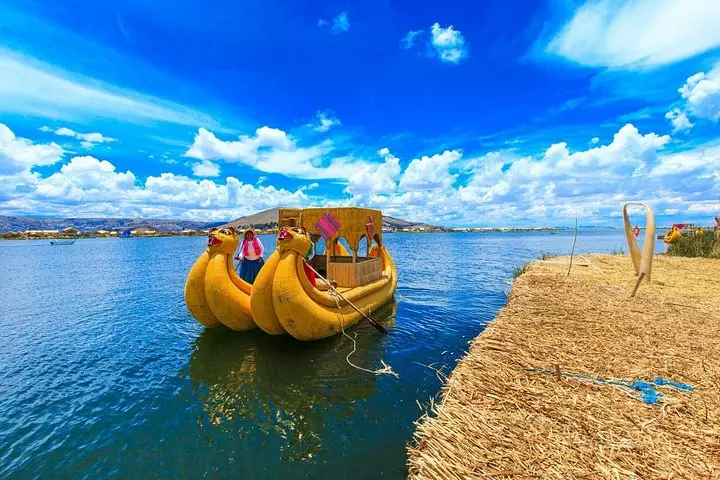
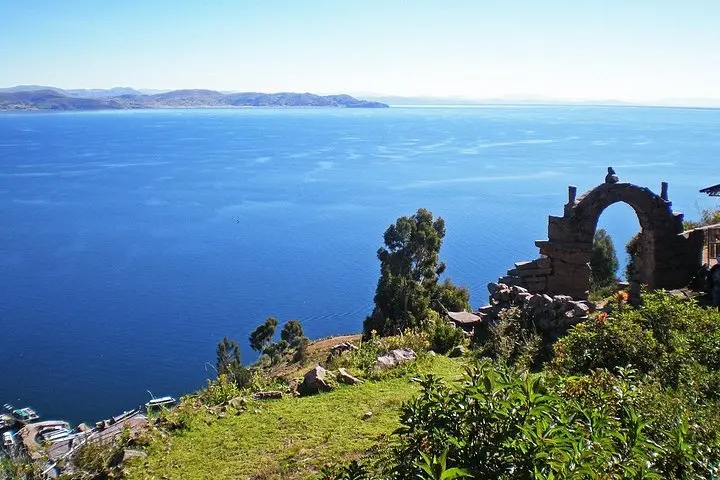
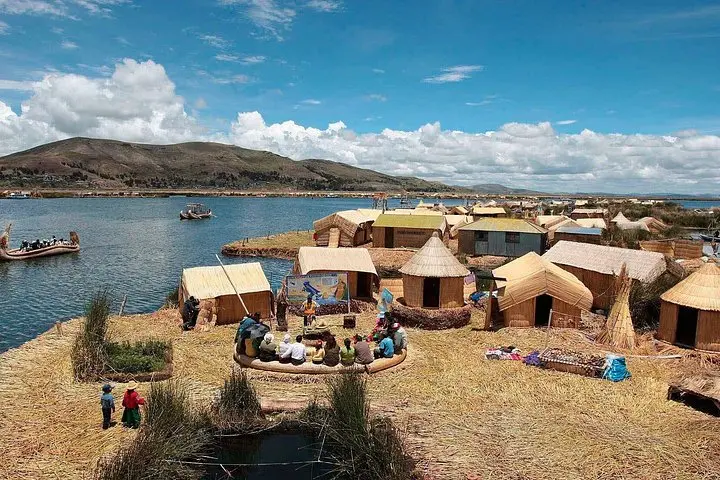
You step off the motorboat into air thin and bright, the lake spreading cold and vast under a hard sky. Reed islands bob like deliberate constructions; villagers move with the calm economy of people who live with wind and water. The first day takes you from Puno’s ferry pier across the highest navigable lake in the world to the floating Uros and then to Amantani, where a family home becomes basecamp for an evening of home-cooked food and music.
Verified experiences and guided adventures in the surrounding area.
Operated by Lake Titicaca Trips · Puno, Puno
You step off the motorboat into air thin and bright, the lake spreading cold and vast under a hard sky. Reed islands bob like deliberate constructions; villagers move with the calm economy of people who live with wind and water. The first day takes you from Puno’s ferry pier across the highest navigable lake in the world to the floating Uros and then to Amantani, where a family home becomes basecamp for an evening of home-cooked food and music.
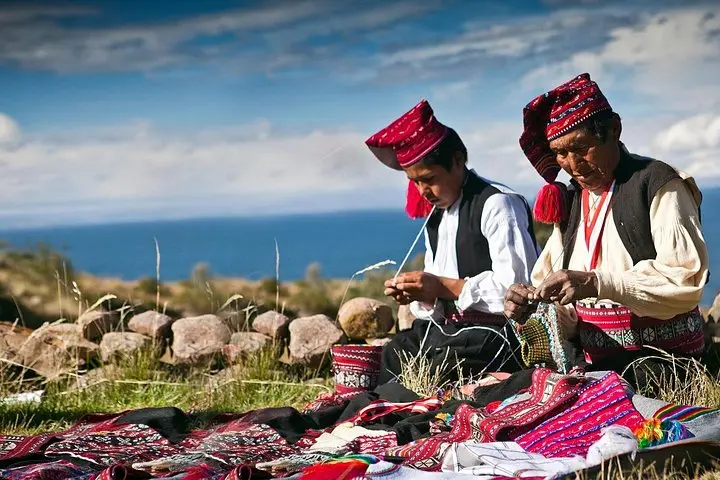
Geology and history press close here: Titicaca sits on an Andean plateau carved by glacial and tectonic forces, its shores where pre-Columbian cultures flourished. The Uros crafted buoyant islands from totora reeds generations ago; on Taquile you’ll encounter textile traditions recognized by UNESCO that encode social and agricultural rhythms.
Culturally the trip is intimate—hosts invite you into daily routines, bread and quinoa stews, and communal performances. The landscape participates: wind pushes reeds into conversation and sunsets drag long shadows across the lake’s glass.
Practically, this is a low-technical, moderate-altitude experience. Expect simple private rooms in family homes, basic toilets, and limited electricity. There are two short uphill hikes—one on Amantani to the Pachamama temple at sunset, and a steeper 45-minute climb on Taquile. Bring layers for cold nights, sun protection for intense midday rays, and water to manage altitude. Guides handle transfers, boat logistics, and entrance fees, but carry cash for small purchases on Taquile.
This overnight blends cultural immersion with straightforward trekking and lake travel—an accessible, memorable way to experience Titicaca’s people and plains.
Lake Titicaca sits around 3,800–3,900 meters (12,500–12,800 ft). Many visitors notice mild symptoms (headache, short breath); acclimatize in Puno, hydrate, and avoid alcohol on arrival.
Rooms are private and simple—bed, blanket, sometimes electricity for limited hours; bathrooms are shared and basic. Hosts provide home-cooked meals.
The tour includes most meals listed and entrance fees per the itinerary; expect an optional lunch on Taquile paid locally (approx PEN 20) and tips or small purchases extra.
Boats are standard motorboats for Lake Titicaca and commonly used; those with serious mobility limits or certain cardiovascular conditions should consult a physician—this tour is marketed as suitable for all fitness levels but not for those with poor cardiovascular health.
Lake Titicaca Trips operates guided outdoor trips and adventures with an emphasis on safety, stewardship, and memorable experiences.
You step off the motorboat into air thin and bright, the lake spreading cold and vast under a hard sky. Reed islands bob like deliberate constructions; villagers move with the calm economy of people who live with wind and water. The first day takes you from Puno’s ferry pier across the highest navigable lake in the world to the floating Uros and then to Amantani, where a family home becomes basecamp for an evening of home-cooked food and music.
You step off the motorboat into air thin and bright, the lake spreading cold and vast under a hard sky. Reed islands bob like deliberate constructions; villagers move with the calm economy of people who live with wind and water. The first day takes you from Puno’s ferry pier across the highest navigable lake in the world to the floating Uros and then to Amantani, where a family home becomes basecamp for an evening of home-cooked food and music.
Geology and history press close here: Titicaca sits on an Andean plateau carved by glacial and tectonic forces, its shores where pre-Columbian cultures flourished. The Uros crafted buoyant islands from totora reeds generations ago; on Taquile you’ll encounter textile traditions recognized by UNESCO that encode social and agricultural rhythms.
Culturally the trip is intimate—hosts invite you into daily routines, bread and quinoa stews, and communal performances. The landscape participates: wind pushes reeds into conversation and sunsets drag long shadows across the lake’s glass.
Practically, this is a low-technical, moderate-altitude experience. Expect simple private rooms in family homes, basic toilets, and limited electricity. There are two short uphill hikes—one on Amantani to the Pachamama temple at sunset, and a steeper 45-minute climb on Taquile. Bring layers for cold nights, sun protection for intense midday rays, and water to manage altitude. Guides handle transfers, boat logistics, and entrance fees, but carry cash for small purchases on Taquile.
This overnight blends cultural immersion with straightforward trekking and lake travel—an accessible, memorable way to experience Titicaca’s people and plains.