THE ADVENTURE COLLECTIVE® · Independent discovery and booking for outdoor travel

Cross Lake Titicaca by speedboat to visit the reed-built Uros islands and the UNESCO-recognized weaving community of Taquile. This full-day tour from Puno mixes boat travel, short hikes, live music, and a lakeside lunch—ideal for travelers wanting efficient cultural immersion at high altitude.
Cross Lake Titicaca by speedboat to visit the reed-built Uros islands and the UNESCO-recognized weaving community of Taquile. This full-day tour from Puno mixes boat travel, short hikes, live music, and a lakeside lunch—ideal for travelers wanting efficient cultural immersion at high altitude.
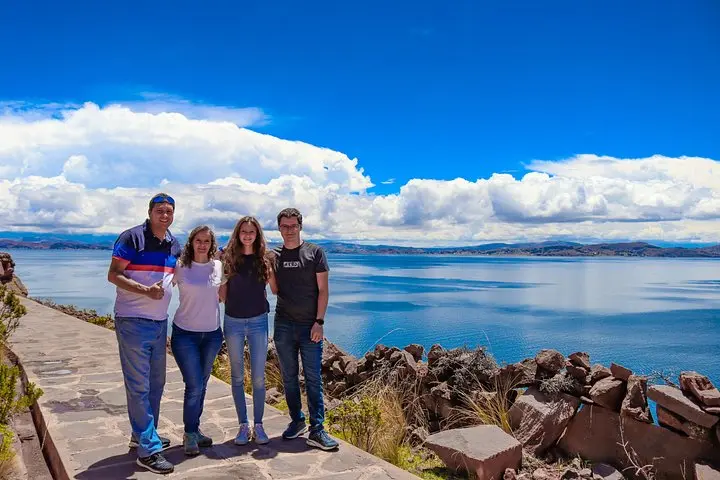
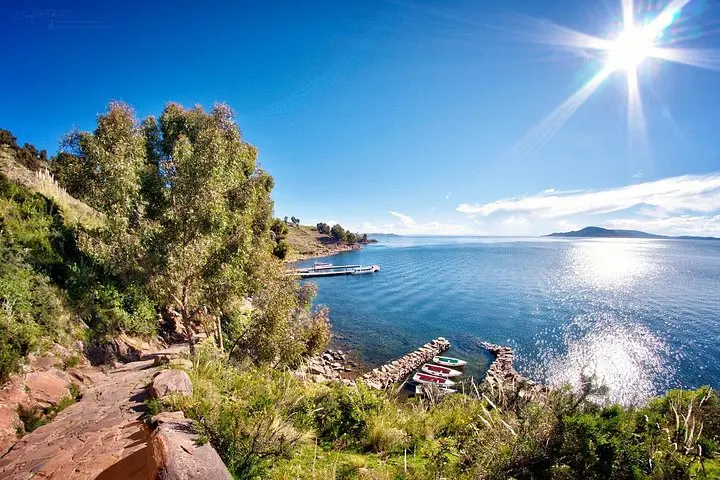
The morning air over Lake Titicaca bites with altitude and clarity as a speedboat slices the glassy surface out of Puno harbor. Reeds bend and scatter as the boat threads between islands of bundled totora; voices and guitar strings rise from native shores. Onboard, the landscape slides from low, woven islands to Taquile’s stone terraces, a sweep of blue water and high-altitude light that defines this lake.
Verified experiences and guided adventures in the surrounding area.
Operated by Puno Tours · Puno, Puno
The morning air over Lake Titicaca bites with altitude and clarity as a speedboat slices the glassy surface out of Puno harbor. Reeds bend and scatter as the boat threads between islands of bundled totora; voices and guitar strings rise from native shores. Onboard, the landscape slides from low, woven islands to Taquile’s stone terraces, a sweep of blue water and high-altitude light that defines this lake.
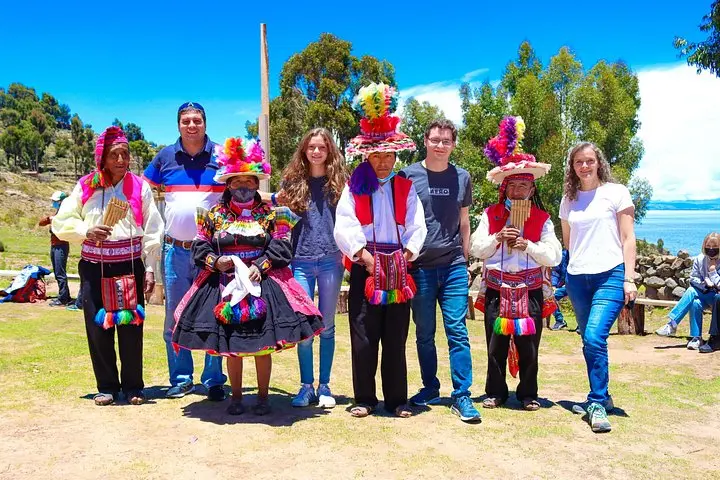
The Uros communities built their islands from totora reeds generations ago to stay mobile and independent long before modern borders. Taquile, by contrast, sits solid — stepped agricultural terraces and houses of stone where men are the principal weavers, a craft recognized by UNESCO for its living cultural meaning.
Geologically, Titicaca is a high plateau lake at about 3,812 meters, a remnant of ancient Andean basins fed by cold mountain streams. The reed beds act as fragile shorelines and nursery habitat; the islands’ architecture is practical, not ornamental.
Practicalities shape the day: expect roughly nine hours from hotel pickup to return, short hikes on uneven stone paths on Taquile (about 30 minutes uphill to the main viewpoint), and plenty of direct sun. Bring layered clothing, hydrate before departure, and carry small cash for handicrafts. Respect local customs—ask before photographing individuals—and support community-run workshops to ensure tourism benefits residents.
For travelers seeking a compact cultural immersion on water, this speedboat day trip balances accessibility and authentic encounters, delivering high-altitude scenery, living textile traditions, and a close look at how people continue to live with the lake.
The tour runs about nine hours from hotel pickup in Puno; exact pickup times vary by operator—confirm when booking.
Yes; infants must sit on an adult’s lap on the boat. The day involves boat transfers and short walks; consider mobility and comfort at altitude.
Yes—lunch and entrance tickets for Uros and Taquile are included as described, but bring small cash for souvenirs and extra refreshments.
Acclimatize in Puno for 24–48 hours if possible, avoid alcohol, stay hydrated, and take it easy during the first day of activity; consult a doctor if you have health concerns.
Puno Tours operates guided outdoor trips and adventures with an emphasis on safety, stewardship, and memorable experiences.
The morning air over Lake Titicaca bites with altitude and clarity as a speedboat slices the glassy surface out of Puno harbor. Reeds bend and scatter as the boat threads between islands of bundled totora; voices and guitar strings rise from native shores. Onboard, the landscape slides from low, woven islands to Taquile’s stone terraces, a sweep of blue water and high-altitude light that defines this lake.
The morning air over Lake Titicaca bites with altitude and clarity as a speedboat slices the glassy surface out of Puno harbor. Reeds bend and scatter as the boat threads between islands of bundled totora; voices and guitar strings rise from native shores. Onboard, the landscape slides from low, woven islands to Taquile’s stone terraces, a sweep of blue water and high-altitude light that defines this lake.
The Uros communities built their islands from totora reeds generations ago to stay mobile and independent long before modern borders. Taquile, by contrast, sits solid — stepped agricultural terraces and houses of stone where men are the principal weavers, a craft recognized by UNESCO for its living cultural meaning.
Geologically, Titicaca is a high plateau lake at about 3,812 meters, a remnant of ancient Andean basins fed by cold mountain streams. The reed beds act as fragile shorelines and nursery habitat; the islands’ architecture is practical, not ornamental.
Practicalities shape the day: expect roughly nine hours from hotel pickup to return, short hikes on uneven stone paths on Taquile (about 30 minutes uphill to the main viewpoint), and plenty of direct sun. Bring layered clothing, hydrate before departure, and carry small cash for handicrafts. Respect local customs—ask before photographing individuals—and support community-run workshops to ensure tourism benefits residents.
For travelers seeking a compact cultural immersion on water, this speedboat day trip balances accessibility and authentic encounters, delivering high-altitude scenery, living textile traditions, and a close look at how people continue to live with the lake.