THE ADVENTURE COLLECTIVE® · Independent discovery and booking for outdoor travel
Turn a long transfer between Cusco and Puno into a focused cultural expedition: visit Inca and pre-Inca ruins, Andean baroque church art, Sillustani chullpas and the living reed islands of Uros on Lake Titicaca. This 2-day all-inclusive tour pairs road and boat travel with guided context and accommodations.
Turn a long transfer between Cusco and Puno into a focused cultural expedition: visit Inca and pre-Inca ruins, Andean baroque church art, Sillustani chullpas and the living reed islands of Uros on Lake Titicaca. This 2-day all-inclusive tour pairs road and boat travel with guided context and accommodations.
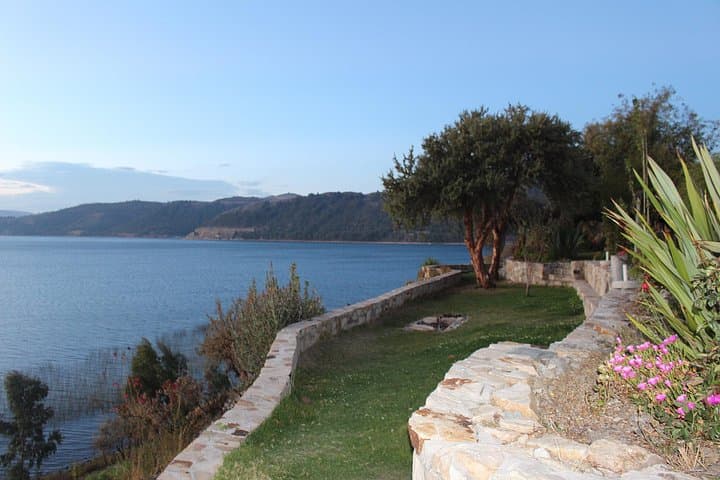
A road unwinds out of Cusco and the Andes open like a map of high plains and wind; by midafternoon the bus crests La Raya and the air sharpens. Below, Lake Titicaca unfurls, a vast blue mirror that seems to dare the sky to stay still. Over two days you move between stacked stone ruins, a baroque church painted with local devotion, and the reed islands where families live afloat.
Verified experiences and guided adventures in the surrounding area.
Operated by Peru4Fun Servicios Turísticos EIRL · Puno, Puno
A road unwinds out of Cusco and the Andes open like a map of high plains and wind; by midafternoon the bus crests La Raya and the air sharpens. Below, Lake Titicaca unfurls, a vast blue mirror that seems to dare the sky to stay still. Over two days you move between stacked stone ruins, a baroque church painted with local devotion, and the reed islands where families live afloat.
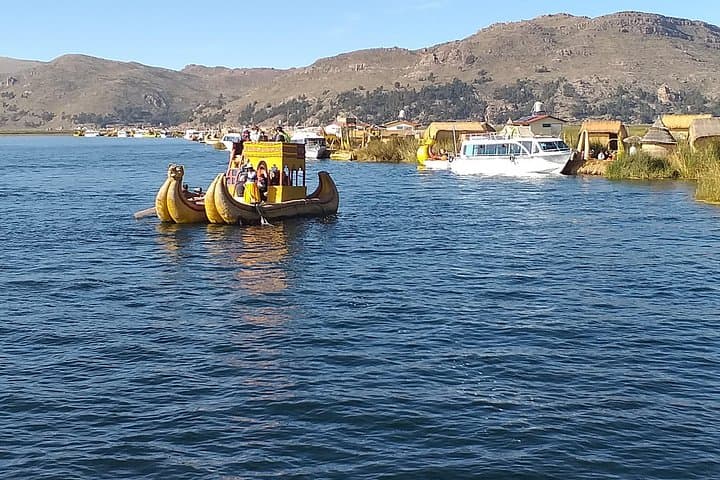
Geology and history press into one another here: the Altiplano is a high tectonic bowl where uplift and erosion carved plateaus, and Lake Titicaca sits at the basin's lowest point — the highest navigable lake on earth. Pre-Incan Culla chullpas at Sillustani, Inca foundations at Raqchi, and the colonial frescos of Andahuaylillas trace a layered human story. On the water, the Uros build balsa reed islands and boats from totora; their craftwork is both daily infrastructure and cultural statement.
Practical guidance is straightforward: pace your first day to respect altitude, plan morning boat trips when the lake is calm, and carry layered clothing for strong sun and cold evenings. Expect hotel pickup, a mix of minibus and boat transfers, short guided walks, and escorted entry at sites; much is included but bring small bills for tips and market purchases.
The trip is compact and accessible — not a strenuous trek but a concentrated cultural circuit that lets the landscape and local people set the tempo. Stay hydrated, keep sunscreen handy, and listen to your guide: they bridge the long human history and the weathered stones you pass.
Yes — Lake Titicaca and surrounding sites sit above 3,800 m. Acclimatize in Cusco, hydrate, avoid heavy meals and consider speaking to a doctor about acetazolamide if you have a history of severe altitude reactions.
Boat transfers are included and operated by local crews; life jackets are standard but check that the operator maintains safety equipment before departure.
Guides are typically bilingual Spanish and English; at sites you may also hear Quechua and Aymara from local communities.
Generally yes, since walking is moderate; notify the operator of mobility or medical needs when booking to confirm logistics and pickup options.
Peru4Fun Servicios Turísticos EIRL operates guided outdoor trips and adventures with an emphasis on safety, stewardship, and memorable experiences.
A road unwinds out of Cusco and the Andes open like a map of high plains and wind; by midafternoon the bus crests La Raya and the air sharpens. Below, Lake Titicaca unfurls, a vast blue mirror that seems to dare the sky to stay still. Over two days you move between stacked stone ruins, a baroque church painted with local devotion, and the reed islands where families live afloat.
A road unwinds out of Cusco and the Andes open like a map of high plains and wind; by midafternoon the bus crests La Raya and the air sharpens. Below, Lake Titicaca unfurls, a vast blue mirror that seems to dare the sky to stay still. Over two days you move between stacked stone ruins, a baroque church painted with local devotion, and the reed islands where families live afloat.
Geology and history press into one another here: the Altiplano is a high tectonic bowl where uplift and erosion carved plateaus, and Lake Titicaca sits at the basin's lowest point — the highest navigable lake on earth. Pre-Incan Culla chullpas at Sillustani, Inca foundations at Raqchi, and the colonial frescos of Andahuaylillas trace a layered human story. On the water, the Uros build balsa reed islands and boats from totora; their craftwork is both daily infrastructure and cultural statement.
Practical guidance is straightforward: pace your first day to respect altitude, plan morning boat trips when the lake is calm, and carry layered clothing for strong sun and cold evenings. Expect hotel pickup, a mix of minibus and boat transfers, short guided walks, and escorted entry at sites; much is included but bring small bills for tips and market purchases.
The trip is compact and accessible — not a strenuous trek but a concentrated cultural circuit that lets the landscape and local people set the tempo. Stay hydrated, keep sunscreen handy, and listen to your guide: they bridge the long human history and the weathered stones you pass.
