
Lake Titicaca Uros and Taquile Day Tour: Reed Islands, Textiles & High-Altitude Views
Crossing Lake Titicaca by motorboat to visit Uros’ reed islands and Taquile’s UNESCO textiles packs culture, hiking, and high-altitude scenery into a six-hour day. Expect boat time, a guided island visit, a 30–40 minute uphill walk on Taquile, and a traditional trout lunch.
An Adventure In Puno.
Crossing Lake Titicaca by motorboat to visit Uros’ reed islands and Taquile’s UNESCO textiles packs culture, hiking, and high-altitude scenery into a six-hour day. Expect boat time, a guided island visit, a 30–40 minute uphill walk on Taquile, and a traditional trout lunch.
Read the full experience
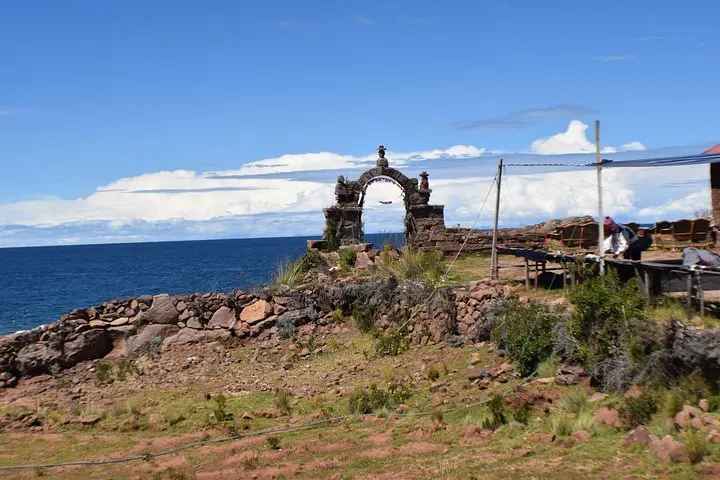
The boat slips away from Puno’s pier and the air sharpens—thin, cold, and bright at 3,800 meters. Water pushes at the hull, carrying you across the world’s highest navigable lake. In the distance, clusters of totora reeds bob like small villages; closer, the shoreline of Taquile rises, stone terraces cutting the sky.
The boat slips away from Puno’s pier and the air sharpens—thin, cold, and bright at 3,800 meters. Water pushes at the hull, carrying you across the world’s highest navigable lake. In the distance, clusters of totora reeds bob like small villages; closer, the shoreline of Taquile rises, stone terraces cutting the sky.
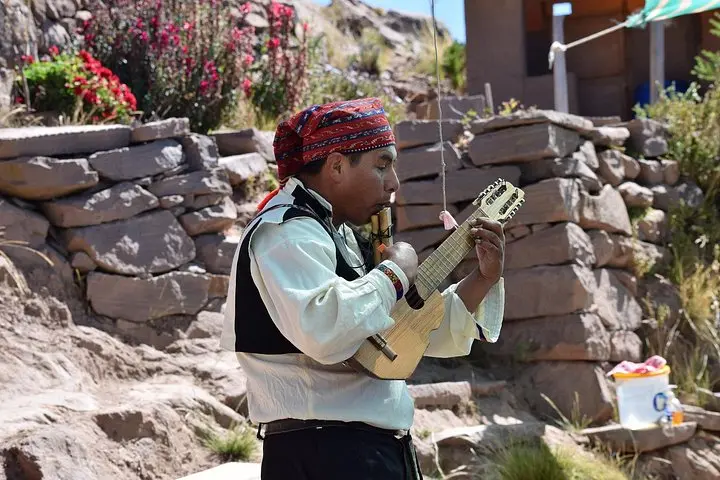
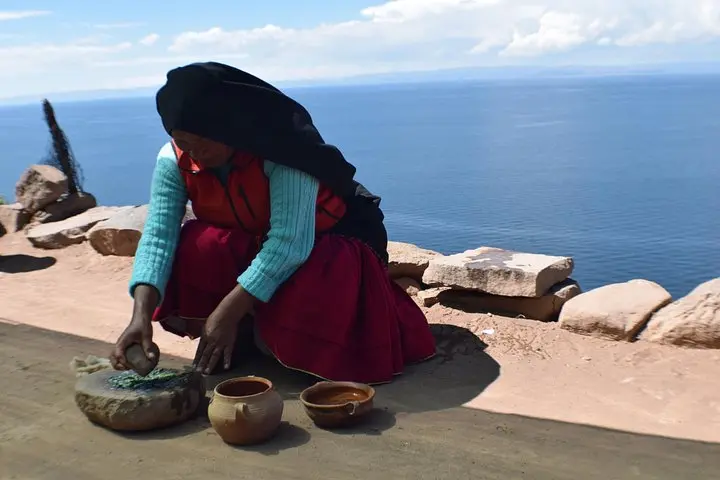
Lake Titicaca is both geological plateaus and human resilience. Formed by tectonic uplift and glacial carving, the lake sits on the Altiplano at roughly 3,812 m, creating a lake-climate that challenges and sustains communities. The Uros people have lived on floating islands made of totora reeds for centuries, fashioning homes, boats and livelihoods from the same material that cushions your steps. Taquile’s culture is equally tangible: a UNESCO-recognized textile tradition where patterns record status and stories, and where daily life unfolds in car-free, stone-laid alleys.
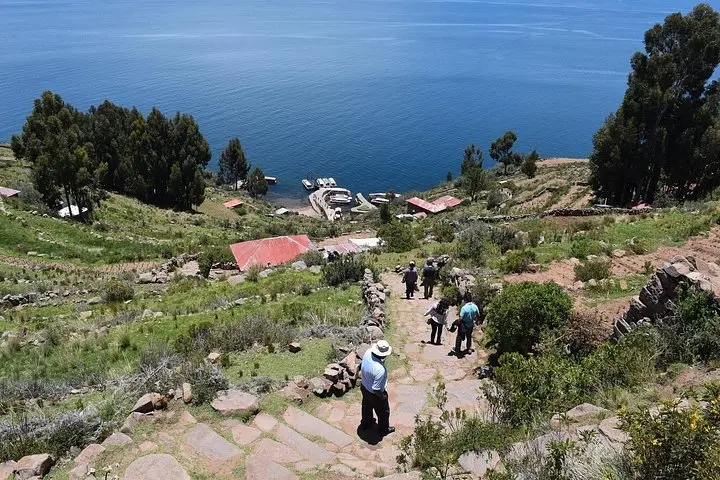
Expect about 6 hours on this shared outing—roughly 2–3 hours of crossing time depending on stops, a 60-minute visit to the floating islands, and 1–2 hours exploring Taquile. The walk from Taquile’s pier to the main plaza is a steady 30–40 minute uphill route (roughly 1–2 km with 100–200 m of ascent), rewarding hikers with panoramic lake views. Lunch is traditional: trout or omelet, quinoa soup and coca tea to steady breathing at altitude.
Practical notes: carry layers, sun protection, and water; keep pace on stone steps and consider acclimatization time in Puno the day before. This trip balances cultural immersion with simple hiking and open-water crossings—an accessible, high-altitude day of landscape and living traditions.
Frequently asked questions
The shared motorboat crossing can take about 2 to 3 hours depending on stops and weather; the full tour runs roughly six hours.
Lunch is included in Taquile and served locally (trout or an omelet with quinoa soup); small snacks and handicrafts on Uros and Taquile are cash-based.
The tour notes advise that it’s not recommended for pregnant travelers and infants must sit on laps; moderate fitness is required for walking on Taquile.
Yes, the regular motorboat used on this tour is equipped with an onboard bathroom and panoramic windows.
About This Experience
Inca Lake operates guided outdoor trips and adventures with an emphasis on safety, stewardship, and memorable experiences.
Adventure tips
Recommended gear
- Layered clothing: High-altitude weather shifts quickly—pack a base layer, fleece, and windproof jacket.
- Sturdy walking shoes: Grip and ankle support help on reed surfaces and uneven stone paths.
- High-SPF sunscreen & sunglasses: UV exposure is intense year-round but strongest in sunnier months.
- Reusable water bottle with insulated sleeve: Staying hydrated eases altitude effects; insulated bottles keep liquids from cooling quickly on the lake.
Photos of the experience
Related adventures & guides
Read the full experience
The boat slips away from Puno’s pier and the air sharpens—thin, cold, and bright at 3,800 meters. Water pushes at the hull, carrying you across the world’s highest navigable lake. In the distance, clusters of totora reeds bob like small villages; closer, the shoreline of Taquile rises, stone terraces cutting the sky.
The boat slips away from Puno’s pier and the air sharpens—thin, cold, and bright at 3,800 meters. Water pushes at the hull, carrying you across the world’s highest navigable lake. In the distance, clusters of totora reeds bob like small villages; closer, the shoreline of Taquile rises, stone terraces cutting the sky.
Lake Titicaca is both geological plateaus and human resilience. Formed by tectonic uplift and glacial carving, the lake sits on the Altiplano at roughly 3,812 m, creating a lake-climate that challenges and sustains communities. The Uros people have lived on floating islands made of totora reeds for centuries, fashioning homes, boats and livelihoods from the same material that cushions your steps. Taquile’s culture is equally tangible: a UNESCO-recognized textile tradition where patterns record status and stories, and where daily life unfolds in car-free, stone-laid alleys.
Expect about 6 hours on this shared outing—roughly 2–3 hours of crossing time depending on stops, a 60-minute visit to the floating islands, and 1–2 hours exploring Taquile. The walk from Taquile’s pier to the main plaza is a steady 30–40 minute uphill route (roughly 1–2 km with 100–200 m of ascent), rewarding hikers with panoramic lake views. Lunch is traditional: trout or omelet, quinoa soup and coca tea to steady breathing at altitude.
Practical notes: carry layers, sun protection, and water; keep pace on stone steps and consider acclimatization time in Puno the day before. This trip balances cultural immersion with simple hiking and open-water crossings—an accessible, high-altitude day of landscape and living traditions.
Make a day of it nearby.
Verified experiences and guided adventures in the surrounding area.