THE ADVENTURE COLLECTIVE® · Independent discovery and booking for outdoor travel

Spend 48 hours exploring Lalibela’s extraordinary rock-hewn churches, attend a local morning ceremony, and learn the history behind Ethiopia’s ‘New Jerusalem.’ This compact tour includes flight transfers, guided visits, and one night’s accommodation.
Spend 48 hours exploring Lalibela’s extraordinary rock-hewn churches, attend a local morning ceremony, and learn the history behind Ethiopia’s ‘New Jerusalem.’ This compact tour includes flight transfers, guided visits, and one night’s accommodation.
Dawn arrives over red earth and flat-roofed houses as a small plane eases into Lalibela’s highland airstrip. The town feels deliberate—stone and shadow, bells and prayer—where a single street can lead you into a carved interior that was once an entire city hewn from living rock.
Verified experiences and guided adventures in the surrounding area.
Operated by Ethio Travel And Tours · Lalibela, Amhara Region
Dawn arrives over red earth and flat-roofed houses as a small plane eases into Lalibela’s highland airstrip. The town feels deliberate—stone and shadow, bells and prayer—where a single street can lead you into a carved interior that was once an entire city hewn from living rock.
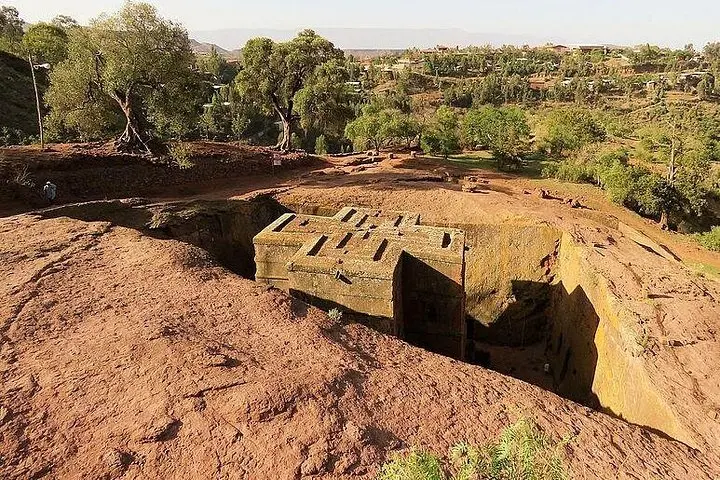
The tour compresses centuries into a day and a half. Built under King Gebre Mesqel Lalibela in the 12th–13th centuries, the churches were conceived as a ‘New Jerusalem’ after pilgrim routes to the Holy Land became difficult. Geologically the site sits in the Ethiopian Highlands, where volcanic tuff allowed craftsmen to carve full churches downward rather than build upward.
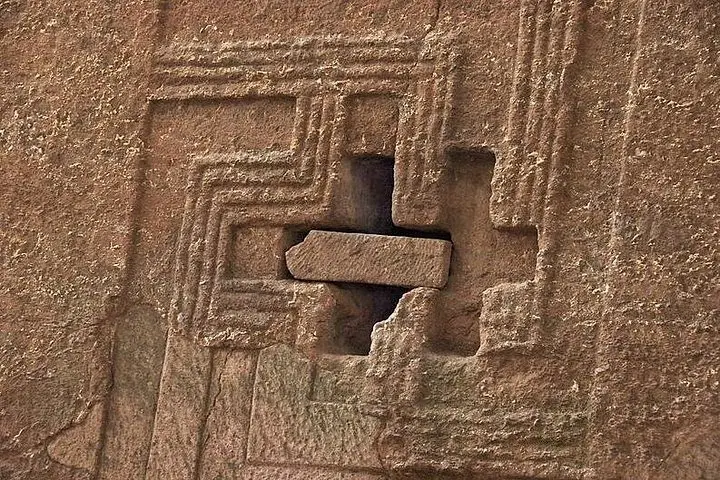
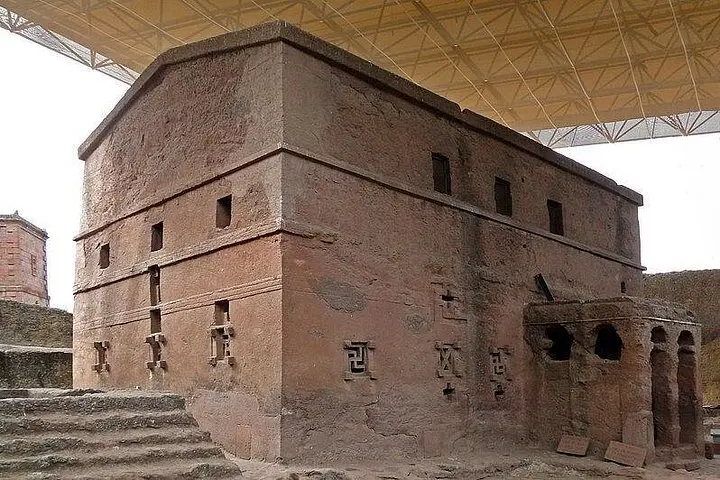
Culturally, the churches remain active: Saturday and Sunday services draw local worshipers in colorful robes; expect incense, chanting, and congregational processions. Guides will explain iconography, the function of each group (Northern, Western, Eastern), and the contested archaeological debates—dates, patronage, and reuse through centuries.
Practically, this itinerary includes a morning flight from Addis Ababa, about a 23 km transfer into town, one night’s lodging (Lalibela Lodge or Mountain View Hotel or similar), entrance fees and guided visits, and a chance to attend a morning religious ceremony before returning to the airport.
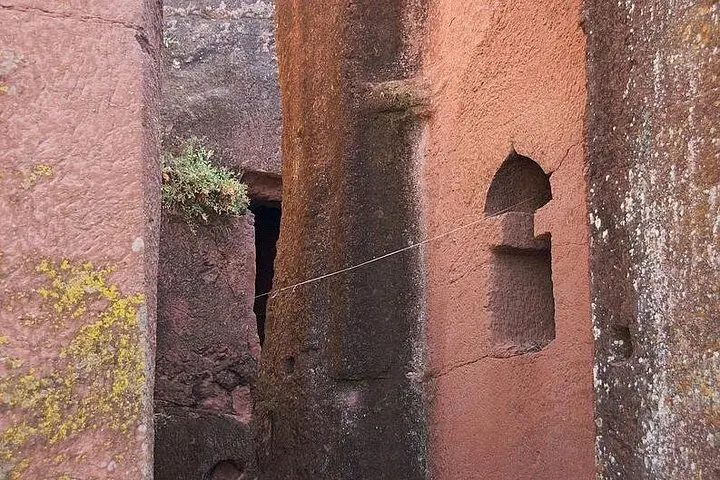
Plan for uneven stone steps, narrow passageways, and cool highland mornings. Carry water, wear sturdy shoes, and allow time to listen—services can be long and are the best way to see living tradition. Photography rules vary inside churches; follow your guide and respect worshippers.
Most travelers take a short domestic flight from Addis Ababa to Lalibela; the tour includes the flight and airport transfers when listed.
Some areas have uneven steps and narrow passages; while the town and some viewpoints are accessible, interior access to certain churches may be limited—check with the operator for wheelchair accommodations.
No—attendance is optional, but arriving early for a morning ceremony offers a vivid cultural experience; be prepared to observe quiet and follow local customs.
Guides usually speak English and may offer other languages depending on the operator; confirm in advance if you require a specific language.
Ethio Travel And Tours operates guided outdoor trips and adventures with an emphasis on safety, stewardship, and memorable experiences.
Dawn arrives over red earth and flat-roofed houses as a small plane eases into Lalibela’s highland airstrip. The town feels deliberate—stone and shadow, bells and prayer—where a single street can lead you into a carved interior that was once an entire city hewn from living rock.
Dawn arrives over red earth and flat-roofed houses as a small plane eases into Lalibela’s highland airstrip. The town feels deliberate—stone and shadow, bells and prayer—where a single street can lead you into a carved interior that was once an entire city hewn from living rock.
The tour compresses centuries into a day and a half. Built under King Gebre Mesqel Lalibela in the 12th–13th centuries, the churches were conceived as a ‘New Jerusalem’ after pilgrim routes to the Holy Land became difficult. Geologically the site sits in the Ethiopian Highlands, where volcanic tuff allowed craftsmen to carve full churches downward rather than build upward.
Culturally, the churches remain active: Saturday and Sunday services draw local worshipers in colorful robes; expect incense, chanting, and congregational processions. Guides will explain iconography, the function of each group (Northern, Western, Eastern), and the contested archaeological debates—dates, patronage, and reuse through centuries.
Practically, this itinerary includes a morning flight from Addis Ababa, about a 23 km transfer into town, one night’s lodging (Lalibela Lodge or Mountain View Hotel or similar), entrance fees and guided visits, and a chance to attend a morning religious ceremony before returning to the airport.
Plan for uneven stone steps, narrow passageways, and cool highland mornings. Carry water, wear sturdy shoes, and allow time to listen—services can be long and are the best way to see living tradition. Photography rules vary inside churches; follow your guide and respect worshippers.